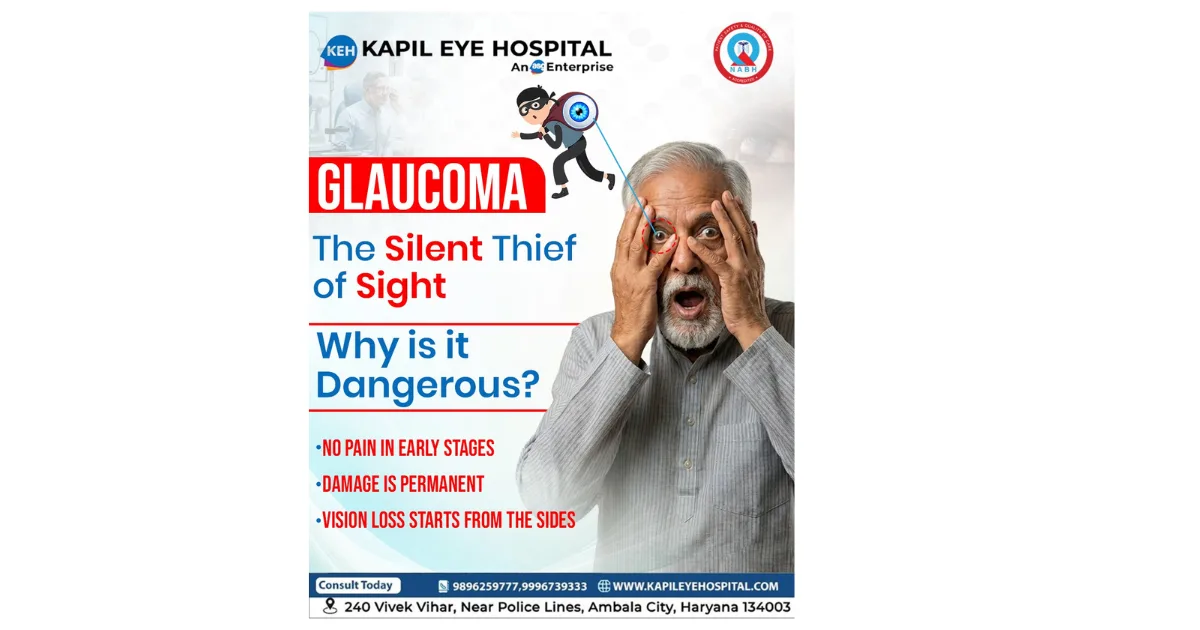
Glaucoma is a serious eye condition that gradually damages the optic nerve and can lead to permanent vision loss if not treated on time. It is often called the “silent thief of sight” because it progresses slowly without early symptoms.
With advanced medical technology, early detection and treatment can help control glaucoma and protect long-term vision. Many patients today search for the Best Glaucoma Hospital in Ambala to receive accurate diagnosis and effective treatment.
This article explains glaucoma in detail, including its causes, symptoms, diagnosis, treatment options, and why choosing the right Glaucoma hospital in Ambala is important for preserving eyesight.
What is Glaucoma?
Glaucoma is a group of eye diseases that damage the optic nerve, which is responsible for sending visual signals to the brain. This damage is often caused by increased pressure inside the eye (intraocular pressure).
If left untreated, glaucoma can lead to irreversible blindness. That is why early diagnosis and regular eye checkups are very important.
Types of Glaucoma
1. Open-Angle Glaucoma
This is the most common type. It develops slowly and painlessly over time.
2. Angle-Closure Glaucoma
This type develops suddenly and is considered a medical emergency.
3. Normal-Tension Glaucoma
Damage occurs even when eye pressure is normal.
4. Congenital Glaucoma
This is present at birth and is rare but serious.
Causes of Glaucoma
Glaucoma mainly occurs due to increased eye pressure caused by improper drainage of fluid in the eye.
Other risk factors include:
- Age above 40 years
- Family history of glaucoma
- Diabetes and high blood pressure
- Eye injuries
- Long-term steroid use
- Severe myopia (high eye power)
Symptoms of Glaucoma
In early stages, glaucoma often has no symptoms. However, as it progresses, the following signs may appear:
- Gradual loss of peripheral vision
- Blurred vision
- Eye pain or pressure
- Headaches
- Halos around lights
- Sudden vision loss (in acute cases)
Regular eye exams are the only way to detect glaucoma early.
Importance of Early Diagnosis
Early detection is the key to preventing vision loss. Once optic nerve damage occurs, it cannot be reversed. However, treatment can slow or stop further damage.
This is why many patients prefer the Best Glaucoma Hospital in Ambala for advanced diagnostic tools and expert evaluation.
Diagnostic Tests for Glaucoma
Doctors use several tests to diagnose glaucoma accurately:
- Tonometry: Measures eye pressure
- Ophthalmoscopy: Examines optic nerve damage
- Visual Field Test: Checks peripheral vision loss
- OCT Scan: Detailed imaging of optic nerve
- Gonioscopy: Examines drainage angle of the eye
These tests help determine the stage and severity of the disease.
Glaucoma Treatment Options
Treatment depends on the stage and type of glaucoma. The main goal is to reduce eye pressure.
1. Eye Drops
Most common treatment used to reduce intraocular pressure.
2. Oral Medications
Sometimes prescribed if eye drops are not enough.
3. Laser Treatment
Laser therapy helps improve fluid drainage from the eye.
4. Surgery
In advanced cases, surgical procedures are performed to create a new drainage pathway.
Modern eye care centers providing Glaucoma hospital in Ambala services use advanced techniques for safe and effective treatment.
Lifestyle Tips for Glaucoma Patients
Along with medical treatment, lifestyle changes can help manage glaucoma:
- Regular eye checkups
- Avoid smoking and alcohol
- Maintain healthy blood pressure
- Exercise regularly
- Follow medication schedule strictly
- Protect eyes from injury
Why Choosing the Right Eye Hospital Matters
Glaucoma requires long-term care and regular monitoring. Choosing the right hospital ensures:
- Accurate diagnosis
- Advanced imaging technology
- Experienced eye specialists
- Proper treatment planning
- Continuous follow-up care
One such trusted center is Kapil Eye Hospital, known for advanced eye care services and structured glaucoma management.
This makes it a preferred choice for patients searching for the Best Glaucoma Hospital in Ambala.
Glaucoma Prevention Tips
While glaucoma cannot always be prevented, early detection reduces risk significantly:
- Get regular eye exams after age 40
- Monitor eye pressure
- Manage diabetes and blood pressure
- Avoid self-medication with steroids
- Protect eyes from trauma
Conclusion
Glaucoma is a serious but manageable eye condition if diagnosed early. With modern treatments and advanced diagnostic tools, vision loss can be prevented.
If you are experiencing any symptoms or have a family history of eye disease, visiting a trusted Glaucoma hospital in Ambala is essential.
Clinics like Kapil Eye Hospital provide advanced care, making them one of the choices for the Best Glaucoma Hospital in Ambala.
Early diagnosis, proper treatment, and regular follow-ups are the key to protecting your vision for life.
FAQs
1. Can glaucoma be cured permanently?
No, but it can be controlled with treatment to prevent vision loss.
2. Is glaucoma painful?
Most types are painless, except acute angle-closure glaucoma.
3. Who is at risk of glaucoma?
People above 40, diabetics, and those with family history are at higher risk.
4. How often should I get tested?
Once a year after age 40 or as advised by your doctor.
5. Is surgery necessary for glaucoma?
Only in advanced cases where medications are not effective.