
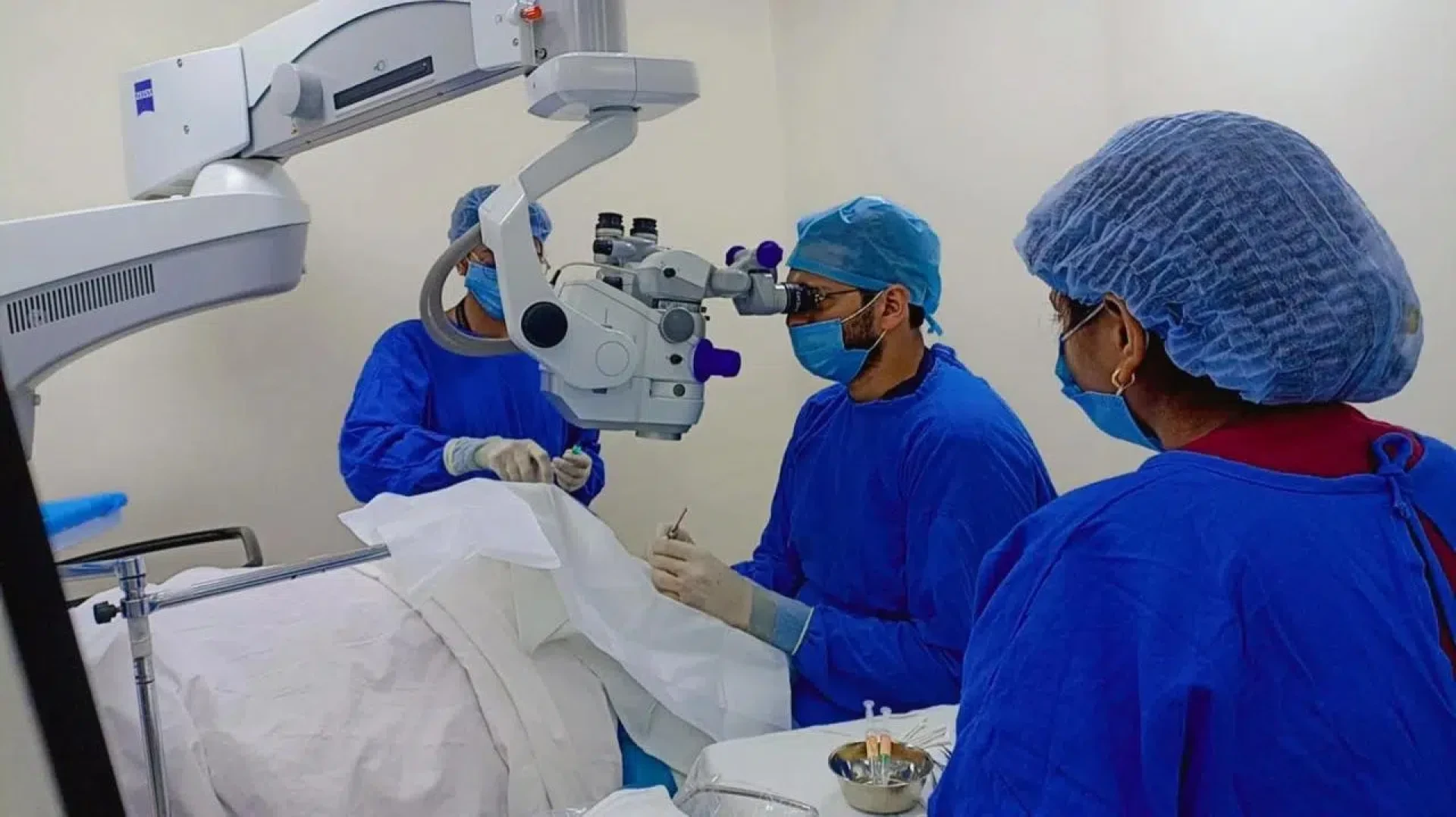
Vision problems related to the retina can feel overwhelming, especially when symptoms appear suddenly or worsen over time. Finding the best eye hospital in Delhi for retina care becomes critical because retinal conditions often require timely diagnosis, advanced imaging, and precise treatment. From blurred vision and floaters to diabetic complications, the right medical setup can make a life-changing difference in outcomes.
Retinal disorders are complex because the retina plays a direct role in how the brain processes visual information. Conditions such as retinal detachment, macular degeneration, diabetic retinopathy, and retinal vein occlusion are not always painful, which makes regular evaluation even more important. A well-equipped eye hospital should offer comprehensive retinal diagnostics, including OCT scans, fundus photography, and angiography, along with access to both medical and surgical treatment options under one roof.
Another important factor to consider is the expertise of the specialist handling your case. Advanced retinal care depends heavily on clinical experience, surgical precision, and up-to-date knowledge of evolving treatment protocols. Many patients actively seek consultation from the Best Retina Surgeon in delhi because complex procedures like vitrectomy, laser therapy, or intravitreal injections demand high levels of skill and consistency. An experienced surgeon is also better equipped to explain treatment options clearly, set realistic expectations, and guide long-term eye care planning.
Also Read: - Retinal Risks After Eye Trauma: Why Even Minor Injuries Matter
Technology and infrastructure also play a significant role in retinal treatment success. A reliable eye hospital should be equipped with modern laser systems, high-resolution imaging tools, and sterile operation theatres designed specifically for retinal surgeries. Equally important is post-treatment care. Retinal conditions often require follow-up visits, medication adjustments, and lifestyle guidance to prevent recurrence or further damage. Hospitals that emphasize patient education and structured follow-up schedules tend to deliver better long-term results.
Accessibility and comfort should not be overlooked either. Retina patients may require multiple visits over months or even years. A hospital with streamlined appointment systems, clear communication, and supportive staff can significantly reduce stress during treatment. Transparent counseling, clear cost explanations, and personalized care plans help patients stay confident and consistent with their treatment journey.
Ultimately, choosing the right facility is about balancing medical expertise, technology, and patient-centric care. Whether the concern is age-related vision changes or complications from systemic conditions like diabetes or hypertension, consulting a qualified retina specialist in delhi ncr ensures that your eyes receive focused attention from diagnosis to recovery. Early action and informed decisions are the strongest tools in protecting and preserving vision.
Frequently Asked Questions (FAQs)
What symptoms indicate a retina problem?
Common symptoms include sudden vision loss, blurred or distorted vision, flashes of light, floaters, dark spots, or difficulty seeing fine details.
Are retinal diseases curable?
Some retinal conditions can be managed or stabilized with early treatment, while others may not be fully curable but can be controlled to prevent further vision loss.
Is retinal treatment painful?
Most retinal procedures are minimally invasive and performed under local anesthesia. Patients may experience mild discomfort, but severe pain is uncommon.
How often should retinal check-ups be done?
People with diabetes, high blood pressure, or a family history of eye disease should have retinal exams at least once a year or as advised by a specialist.
Can lifestyle changes help retinal health?
Yes, maintaining blood sugar levels, managing blood pressure, avoiding smoking, and having regular eye check-ups can significantly support retinal health.