
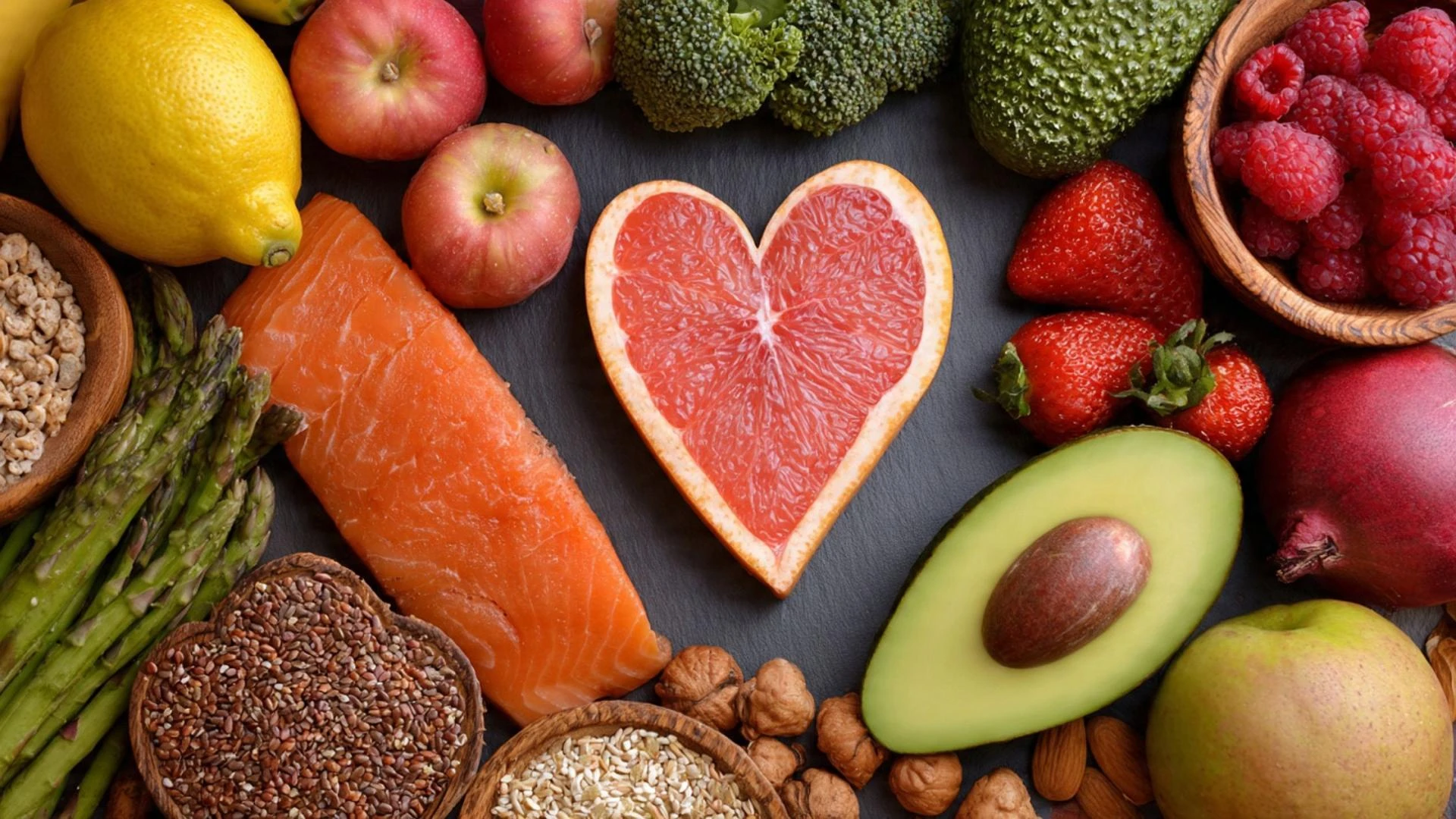
Every day, it seems like there’s a new “miracle diet” claiming to burn fat, reverse aging, or protect your heart. From keto to paleo, intermittent fasting to juice cleanses, the marketing is loud, and the messages are often conflicting. But if your goal is long-term heart health, it’s worth stepping back from the noise and focusing on what evidence — rather than hype — tells us truly matters.
Your heart doesn’t respond to a single food or fleeting trend. It responds to the pattern of what you eat day after day. The good news? There is a way of eating consistently associated with lower risk of heart disease, better cholesterol levels, improved blood pressure, and stronger metabolic health.
In this article, we’ll cut through the confusion and walk through what the best diet for heart health looks like in real life — how it works, why it works, and how to make it practical for your lifestyle.
If you want to explore more on how nutrition supports longevity and cardiovascular health after reading, this resource on best diet for heart health offers additional depth and clarity.
Why Diet Matters for Heart Health
Your heart doesn’t pump in isolation. It works in constant partnership with your blood vessels, lungs, kidneys, nervous system, and even your gut. Diet influences nearly every factor that affects heart health:
- Blood pressure
- Cholesterol and lipid levels
- Blood sugar regulation
- Inflammation
- Body weight
- Endothelial function (how well blood vessels relax and contract)
What you eat affects each of these in complex ways. A diet high in ultra-processed foods, added sugars, excess sodium, and unhealthy fats creates a metabolic environment that encourages plaque buildup, blood vessel stiffness, and high blood pressure. Conversely, a nutrient-rich pattern of eating supports healthy pathways, reduces oxidative stress, and promotes flexible, resilient vessels.
The goal isn’t perfection, and it isn’t elimination of all foods you enjoy. It’s about consistent patterns that help your cardiovascular system function with less strain.
What the Research Says: Patterns Over Fads
When researchers study diet and heart disease, they don’t look at single meals — they look at patterns of eating over years or decades. Two of the most consistently favorable patterns are:
- Mediterranean-style diets
- DASH (Dietary Approaches to Stop Hypertension) diets
Both are considered among the best diets for heart health because they emphasize whole, minimally processed foods and balance — not calorie counting, not elimination, and not extreme restrictions.
Mediterranean-Style Diet
This pattern reflects traditional eating in countries bordering the Mediterranean Sea. It isn’t a rigid “plan,” but it is defined by consistent themes:
- Plenty of vegetables and fruits
- Whole grains
- Healthy fats from olive oil, nuts, and seeds
- Moderate intake of fish and legumes
- Limited intake of red and processed meats
- Herbs and spices for flavor instead of excess salt
People who adhere to this pattern tend to have:
- Lower LDL (“bad”) cholesterol
- Higher HDL (“good”) cholesterol
- Lower blood pressure
- Reduced inflammation
- Lower rates of heart attack and stroke
DASH Diet
Developed to address high blood pressure, the DASH approach focuses on:
- Increasing fruits, vegetables, and low-fat dairy
- Including lean proteins and whole grains
- Reducing sodium intake
- Limiting sweets and sugary drinks
Many people following the DASH diet see measurable reductions in blood pressure and improvements in electrolyte balance — both key for heart health.
Though these patterns aren’t identical, they share a core principle: eat real food, prioritize plants, and minimize artificial, processed, or nutrient-poor products.
Core Foods That Support Heart Health
Instead of fixating on what to avoid, one of the most practical ways to eat for your heart is to fill your plate with foods that consistently support cardiovascular function. Here’s a breakdown of the most beneficial categories.
1. Vegetables and Fruits
Colorful vegetables and fruits provide:
- Fiber
- Vitamins
- Minerals
- Antioxidants
- Phytochemicals
These compounds help:
- Lower LDL cholesterol
- Improve endothelial function
- Reduce oxidative stress
- Support healthy blood pressure
Aim for a rainbow on your plate — leafy greens, berries, citrus, cruciferous vegetables, peppers, onions, and more. Variety multiplies the benefits.
2. Whole Grains
Whole grains include:
- Brown rice
- Quinoa
- Oats
- Barley
- Whole wheat products
Unlike refined grains, these contain fiber that:
- Slows digestion
- Helps regulate blood sugar
- Binds to cholesterol in the gut
- Supports beneficial gut bacteria
Fiber is a strong, consistent predictor of better heart health outcomes.
3. Healthy Fats
Not all fats are created equal. Replace unhealthy fats with sources that benefit your heart:
- Monounsaturated fats: Olive oil, avocados
- Polyunsaturated fats: Nuts, seeds, flaxseed, chia seeds
- Omega-3 fatty acids: Fatty fish like salmon, mackerel, sardines
These fats help:
- Lower LDL cholesterol
- Reduce inflammation
- Improve blood vessel flexibility
Healthy fats also help you feel full longer, which supports balanced eating overall.
4. Lean Proteins
Protein keeps you energized and supports metabolism. Heart-healthy options include:
- Fish and seafood
- Skinless poultry
- Beans, lentils, and legumes
- Tofu or tempeh
- Low-fat dairy (if tolerated)
Plant proteins deserve special attention because they come with fiber and phytonutrients that animal proteins don’t provide.
5. Nuts and Seeds
Almonds, walnuts, pistachios, flaxseeds, and chia seeds are rich in:
- Healthy fats
- Fiber
- Plant-based proteins
- Antioxidants
Studies show that regular nut consumption is associated with lower inflammation and reduced risk of cardiovascular events.
6. Herbs, Spices, and Flavor Enhancers
Many people add sodium for flavor, but excess sodium is linked with elevated blood pressure. Instead, use:
- Garlic
- Turmeric
- Ginger
- Basil
- Rosemary
- Lemon
These add robust flavor and antioxidants — without the downside of salt overload.
Foods That Challenge Heart Health
It’s as important to know what diminishes heart health as what supports it. The following items are best limited or avoided:
Highly Processed Foods
Packaged snacks, frozen meals, and fast foods often contain:
- Excess sodium
- Added sugars
- Unhealthy fats
- Refined carbs
These contribute to high blood pressure, inflammation, and metabolic dysfunction.
Sugary Drinks
Sodas, sweetened teas, and juice cocktails pack calories without nutrients. Frequent consumption is linked to weight gain and insulin resistance — both risk factors for heart disease.
Excessive Added Sugars and Sweets
Sugary desserts and baked goods spike blood glucose and can promote systemic inflammation.
Unhealthy Fats
Trans fats and high amounts of saturated fats (found in hydrogenated oils, some margarines, and excess fatty meats) raise LDL cholesterol and contribute to plaque buildup.
Practical Tips for Real-Life Eating
Changing your diet doesn’t happen overnight. The most successful transitions happen through small, sustainable shifts.
Swap Whole for Refined Grains
Instead of white bread or pasta, choose:
- Brown rice
- Whole wheat versions
- Quinoa
- Oats
These provide more fiber and better nutrient density.
Choose Healthy Fats First
Use olive oil instead of butter. Snack on nuts instead of chips. Add avocado to salads or sandwiches.
Add Vegetables to Every Meal
Not just salads — stir vegetables into eggs, soups, smoothies, and grain bowls. Aim for half your plate to be veggies at lunch and dinner.
Make Fruit Your Go-To Sweet Treat
Fresh berries, citrus slices, or grilled peaches satisfy cravings while feeding your body nutrients.
Reduce Sodium Gradually
You don’t have to quit salt cold turkey. Instead, season with herbs and citrus, and gradually reduce added salt so your palate adapts.
Stay Hydrated
Water supports metabolism, digestion, and circulation. Replace sugary drinks with water, sparkling water, or unsweetened teas.
Beyond Diet: Lifestyle Habits That Amplify Heart Health
Food is central, but other lifestyle habits multiply the benefits of a heart-healthy eating pattern.
Stay Active
Aim for at least 150 minutes of moderate physical activity per week — brisk walking, cycling, swimming, or strength training.
Prioritize Sleep
Chronic sleep deprivation affects blood pressure, inflammation, and insulin sensitivity — all risk factors for heart disease.
Manage Stress
Chronic stress raises cortisol and blood pressure. Mindfulness, meditation, deep breathing, or gentle movement such as yoga can help.
Avoid Tobacco and Limit Excess Alcohol
Smoking damages blood vessels, and excessive alcohol raises blood pressure and triglycerides. Moderate alcohol intake — if any — and abstaining from tobacco support cardiovascular health.
Tailoring Your Heart-Healthy Eating Plan
There’s no single “perfect” diet for everyone. Your ideal plan depends on:
- Your medical history
- Cultural food preferences
- Budget and lifestyle
- Metabolic needs (e.g., diabetes, hypertension)
That’s why rather than memorizing rules, it’s useful to learn core principles and adapt them to your routine. Personalized guidance from a registered dietitian or clinician can help fine-tune your plan and ensure it fits sustainably into your life.
When to Seek Professional Support
Even with the best intentions, some people need additional help to translate principles into action. Consider professional support if you:
- Have existing heart disease
- Struggle with weight despite diet change
- Are managing diabetes or metabolic syndrome
- Need accountability and structured guidance
- Have food sensitivities or allergies that complicate choices
A clinician or dietitian can customize recommendations to your unique situation, monitor progress, and offer feedback based on real health markers.
Final Thoughts: Patterns Over Perfection
There’s no single “magic” diet that erases years of unhealthy eating overnight. But decades of research point to consistent themes that truly support your heart:
- Eat real, whole foods
- Prioritize plants and fiber
- Choose healthy fats
- Limit processed foods and added sugars
- Incorporate diversity on your plate
This approach isn’t a fad, a short-term challenge, or a temporary shift. It’s a pattern of eating that nurtures your body, supports your heart, and builds resilience over the long haul.
Confusion disappears when you focus on patterns rather than gimmicks. Choose whole foods over ultra-processed products. Fill plates with color. Improve fats and reduce salt. These steps add up — not just to better heart health, but to better overall well-being.
If you’d like to explore more about how nutrition impacts longevity and cardiovascular health, the guide on best diet for heart health mentioned above offers a thoughtful, science-based perspective to help you dig deeper.
Your heart is worth the investment. You don’t need perfection — just consistency, curiosity, and a willingness to choose foods that support life, not just short-term trends.