Understanding the Bed Bug Problem in Cleveland
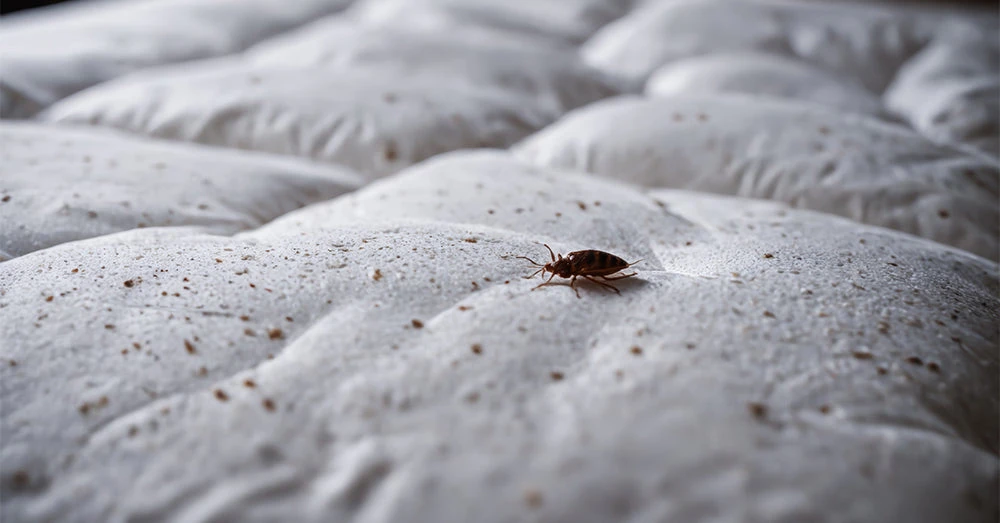
Bed bugs are a persistent and widespread pest concern across Ohio, and Cleveland is no exception. These small, oval-shaped insects survive entirely on blood meals and are capable of going weeks without feeding, which makes them difficult to detect in the early stages of an infestation.
Cleveland's housing landscape includes a significant number of older apartment buildings, rental units, and multi-family homes. This type of residential density creates conditions where bedbugs can travel easily between units through wall voids, electrical outlets, and shared plumbing spaces. A single infested piece of furniture or luggage brought into a building can trigger an infestation that spreads to multiple floors within weeks.
Understanding which treatment options are available and how each one works helps Cleveland homeowners and renters make informed decisions when facing this type of pest problem.
Recognizing the Signs Before Calling a Bed Bug Removal Service in Cleveland
Early identification plays a major role in containing an infestation before it becomes severe. Bed bugs are nocturnal and spend most of their time hiding, which means many residents do not realize they have a problem until the population has already grown.
Common Signs of Bed Bug Activity
Bite marks on the skin: Bedbug bites typically appear in clusters or straight lines on exposed skin areas such as the arms, neck, and legs. They are often itchy and may develop into welts, though some people show no visible reaction at all.
Small blood stains on bedding: When a bedbug is crushed during sleep, it leaves behind tiny rust-colored marks on sheets and pillowcases.
Dark spots on surfaces: Fecal deposits from bedbugs appear as small black or dark brown dots along mattress seams, inside box springs, on headboards, and along baseboards.
Shed exoskeletons: As bedbugs grow, they shed their outer shell multiple times. These translucent casings are typically found in clusters near areas where bed bugs hide.
Live bugs: Adult bedbugs are roughly the size of an apple seed and are visible to the naked eye. They are flat when unfed and become more balloon-shaped after a blood meal.
Any combination of these signs warrants a thorough inspection by a qualified bedbug removal service in Cleveland to confirm the presence of an infestation and assess its severity.
Professional Treatment Methods Used in Cleveland
Once an infestation is confirmed, professional treatment is the most reliable course of action. Pest management companies in Cleveland use several proven methods, often in combination, to address bedbug infestations of varying severity.
Heat Treatment
Thermal remediation, commonly referred to as heat treatment, is considered one of the most effective single-visit solutions available for bedbug control. The process involves placing specialized heating equipment throughout the infested space and gradually raising the ambient temperature to between 120 and 135 degrees Fahrenheit. This temperature range is lethal to bedbugs at every stage of their life cycle, including eggs, nymphs, and adults.
One of the primary advantages of heat treatment is its ability to penetrate areas that are difficult to reach with chemical products. Mattresses, wall cavities, furniture interiors, and carpeting are all exposed to the lethal temperature when the process is carried out correctly. In many cases, a single properly executed heat treatment session resolves the infestation without the need for repeat visits.
Heat treatment must be performed by trained professionals. Portable consumer heating devices are not capable of reaching and sustaining the temperatures needed to eliminate bed bugs throughout an entire room or structure.
Chemical Treatment
Chemical treatment is a widely used method that involves the targeted application of EPA-registered pesticides to areas where bed bugs harbor and travel. A licensed bedbug exterminator in Cleveland will typically apply a combination of products, which may include fast-acting contact insecticides, long-lasting residual formulations, and insect growth regulators that prevent immature bedbugs from reaching reproductive maturity.
Because bedbug eggs are more resistant to pesticides than adult bugs, chemical treatment programs almost always require multiple service visits. A follow-up inspection two to three weeks after the initial treatment allows the exterminator to assess progress and apply additional product to any areas showing continued activity.
Residents are generally required to prepare the space before chemical treatment begins. This includes laundering bedding, reducing clutter, and in some cases vacating the property for a set period after application.
Steam Treatment
Steam treatment uses pressurized dry steam delivered at temperatures above 200 degrees Fahrenheit to kill bedbugs through direct contact. This method is particularly well-suited for mattresses, upholstered furniture, and fabric surfaces where chemical products may not be appropriate.
Steam penetrates fabric and fabric seams effectively, reaching bedbugs that are hiding just below the surface. It is a chemical-free approach and is safe to use in spaces occupied by children, elderly residents, or individuals with respiratory sensitivities.
The primary limitation of steam treatment is that it does not provide any residual protection. Bed bugs in areas not directly contacted by the steam will survive, which is why steam is most often used as a complement to chemical or heat-based methods rather than as a standalone solution.
Cryonite Freezing Treatment
Cryonite treatment applies carbon dioxide in snow form at temperatures reaching negative 110 degrees Fahrenheit. The rapid freezing kills bedbugs on contact by destroying their cellular structure. This method is chemical-free and leaves no residue, making it suitable for use on electronics, sensitive equipment, and areas where liquid products cannot be safely applied.
Cryonite is not as widely available as heat or chemical treatments, but a bedbug removal service in Cleveland that offers integrated pest management may include this option for specific situations within a broader treatment plan.
Fumigation
Whole-structure fumigation is the most intensive treatment option available. It involves sealing the building and introducing a penetrating gas that reaches every area of the structure, regardless of how well hidden the bedbugs are. Residents and pets must vacate the property for the duration of the process, which typically spans several days.
Fumigation is generally reserved for severe infestations where multiple other methods have been tried without achieving full control. It is performed exclusively by state-licensed pest management professionals and requires significant coordination with building management in multi-unit settings.
The Role of Integrated Pest Management
Integrated pest management is a systematic approach that combines inspection, targeted treatment, monitoring, and prevention into a single coordinated program. Rather than applying a single method and hoping for complete results, an integrated approach uses the most appropriate combination of tools based on the specific conditions found in each property.
A professional bedbug exterminator in Cleveland using an integrated approach will begin with a comprehensive inspection to map all areas of activity. Treatment is then applied using two or more methods selected for the layout of the property and the extent of the infestation. Follow-up visits confirm that the treatment was successful and address any surviving activity before it has a chance to rebound.
Preparation Steps for Cleveland Residents
Homeowners and renters can take several steps before professional treatment begins to improve the overall outcome.
All bedding, clothing, and fabric items from the affected areas should be washed and dried on the highest heat setting appropriate for the material. Dryer heat alone at high settings is sufficient to kill bedbugs on fabric items.
Clutter should be reduced throughout the treatment area to give technicians full access to baseboards, furniture, and other hiding spots. Cardboard boxes, stacked papers, and piled clothing provide shelter for bedbugs and should be cleared before the service visit.
Infested furniture and mattresses should not be moved to other rooms in the home. Relocating items before or during treatment can carry bedbugs into previously unaffected areas, which may expand the scope of the infestation.
Why Over-the-Counter Products Fall Short
Retail insect sprays and foggers marketed for bed bugs are widely available in Cleveland hardware and grocery stores, but their effectiveness against established infestations is limited. Many bedbug populations in urban areas have developed resistance to the active ingredients found in consumer products. Foggers, in particular, rarely reach the hidden areas where bed bugs congregate, and their use can cause bugs to scatter deeper into wall voids and furniture interiors.
Professional-grade treatment products combined with specialized application equipment and trained technicians consistently produce better results than any DIY approach. For this reason, contacting a licensed bedbug removal service in Cleveland at the earliest sign of activity is the most practical course of action.
Companies such as G & G Exterminating serve the Cleveland area with professional pest management solutions. Working with a locally established provider offers the advantage of technicians who are familiar with the specific housing types and infestation patterns common to the region.
Preventing Reinfestation After Treatment
Successful treatment is only part of the solution. Without preventive practices in place, reinfestation remains a possibility, particularly in multi-unit buildings.
Bedbug-proof encasements placed on mattresses and box springs trap any surviving bugs and prevent new ones from establishing inside the bedding. Interceptor traps placed under furniture legs can detect any new activity before it develops into a full infestation. Regular inspections of sleeping areas, especially after travel or the introduction of secondhand furniture, help identify problems early.
Conclusion
Cleveland homeowners dealing with a bedbug problem have access to several effective professional treatment options, each suited to different infestation levels and property types. Heat treatment, chemical treatment, steam, cryonite, and fumigation all have a role within a well-structured pest management plan. Consulting a licensed bedbug exterminator in Cleveland ensures that the right combination of methods is selected and applied correctly, giving residents the best chance of achieving complete and lasting control.