
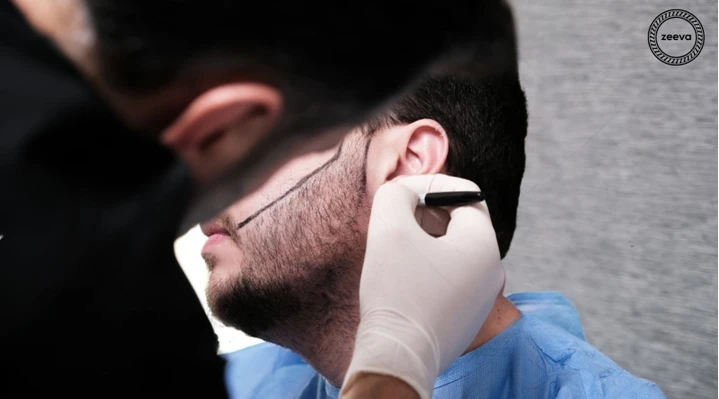
Achieving a full, well-defined beard has become increasingly popular among men who seek a stronger, more masculine appearance. Many individuals struggle with patchy or uneven facial hair due to genetics, hormonal factors, or past skin issues. This has led to a growing interest in advanced solutions that help restore density and shape. Among these options, a beard hair transplant stands out for those who want natural growth and long-lasting improvement.
Modern methods have evolved significantly, allowing men to achieve realistic texture, thickness, and beard patterns that match their facial structure. Understanding these techniques and how they work can help you make an informed and confident decision.
A beard transplant involves relocating healthy hair follicles from donor areas, usually the back of the scalp, and implanting them into specific regions of the face. The objective is to craft a balanced, attractive beard design without visible scarring or unnatural hair angles.
The artistry of placement, the precision of extraction, and the healing approach all play key roles in achieving natural results.
Key Techniques Used in Modern Beard Transplants
Today’s procedures rely on two widely used methods. Each offers unique benefits depending on your goals, skin type, and facial hair pattern.
1. Follicular Unit Extraction (FUE)
This is one of the most advanced and popular techniques. It focuses on extracting individual follicles one at a time, ensuring minimal discomfort and faster recovery.
Benefits include:
- No noticeable linear scars
- Highly customizable beard shaping
- Faster healing time
- Suitable for small and large areas
For example, if someone wants to fill only the jawline or connect the moustache to the beard, FUE allows the surgeon to implant single grafts for high precision.
2. Follicular Unit Transplantation (FUT)
Although used less frequently for facial hair restoration today, FUT can still be beneficial for people who need a higher number of grafts. It involves removing a thin strip of skin from the donor area, from which hair follicles are separated and implanted.
Advantages:
- More grafts in one session
- Useful for very sparse facial hair
- Long-lasting density
A practical scenario: If a person has extremely low beard density and desires a full transformation, FUT may help achieve greater coverage in fewer sessions.
Designing a Natural Beard Shape
A successful result requires more than just implanting hair—design plays a crucial role. Surgeons consider facial symmetry, bone structure, and natural beard flow to create an appearance that matches your features.
Important aspects include:
- Defining cheek lines and neckline according to face shape
- Creating uniform density while avoiding an artificial “straight-line” look
- Matching hair direction, angle, and curl pattern to your natural facial hair
For example, men with rounded faces may benefit from sharper beard lines to add structure, while those with longer faces may prefer a fuller beard along the sides for balance.
What to Expect During the Procedure
Understanding the process reduces anxiety and helps set realistic expectations.
Typical steps:
- Consultation to assess goals and donor quality
- Local anesthesia for comfort
- Extraction of follicles using FUE or FUT method
- Designing precise implantation zones
- Implanting each follicle at the correct depth and angle
Most individuals can return to their routine within 48–72 hours. Mild redness, tiny scabs, and sensitivity are common but temporary.
Care Tips for Natural Looking Results
Proper aftercare ensures enhanced growth and long-term success. Following these tips can make recovery smoother:
- Keep the transplanted area clean and dry for the first few days
- Avoid scratching or touching the grafts
- Follow gentle washing instructions
- Stay away from gym workouts, steam, and swimming temporarily
- Use suggested moisturizers or soothing gels for irritation
- Sleep with your head elevated to reduce swelling
A real-life example: Many men notice initial shedding of transplanted hair after a few weeks. This is completely normal and part of the growth cycle. New, permanent growth usually begins around the third month.
Who Benefits Most From This Treatment?
A beard hair transplant can help individuals who face:
- Patchy beard areas
- Gaps due to scars or burns
- Thin or inconsistent moustache growth
- Genetic lack of facial hair
- Desire for fuller, sharper beard styling
Those who prefer a groomed and expressive beard shape often find this procedure life-changing, especially when their natural growth does not match their personal style preferences.
Final Thoughts
Choosing the right technique is essential for creating natural, long-lasting beard density without visible scarring or unnatural texture. Whether focusing on a subtle fill or a full transformation, modern methods offer impressive results when performed with precision and artistic planning. Many men today are turning to a beard hair transplant to enhance their appearance and achieve a confident, stylish look that aligns with their grooming goals.