
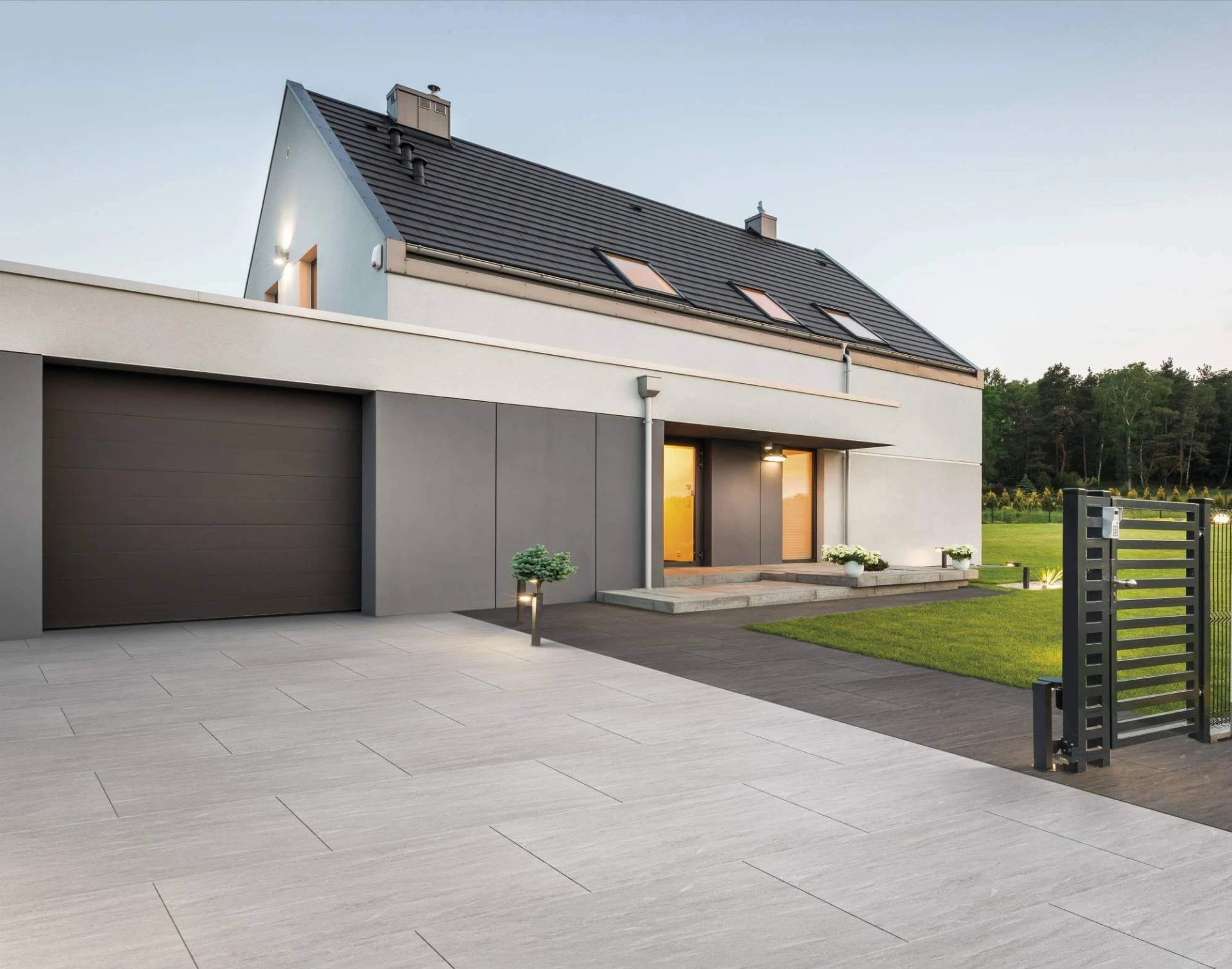
When it comes to choosing the right surface material for homes or commercial spaces in the UK, porcelain tiles stand out as one of the most durable, stylish, and versatile options available today. Whether for floors, walls, bathrooms, kitchens, or even outdoor patios, porcelain tiles offer a blend of beauty and functionality that is hard to beat. In recent years, they have become the preferred choice over other materials such as ceramic, vinyl, wood, and natural stone. For homeowners looking for a long-term investment, Porcelain Tiles in UK are not just a trend—they are a smart, practical solution.
1. What Makes Porcelain Tiles Different from Other Materials
Porcelain tiles are a type of ceramic tile but made with a more refined clay, fired at higher temperatures. This process makes them denser, less porous, and more resistant to moisture and wear compared to traditional ceramic tiles. Unlike natural stone, which can require extensive sealing and upkeep, porcelain tiles are easy to maintain while offering the same luxurious appearance.
Compared to vinyl or laminate flooring, porcelain tiles provide a solid, permanent surface that can withstand decades of foot traffic without fading or warping. Their ability to mimic other materials—like wood, marble, or cement—makes them a design chameleon, fitting seamlessly into any décor style.
2. Long-Term Durability That Outperforms Alternatives
One of the key benefits of porcelain tiles is their unmatched durability. Because they are denser and less porous than ceramic tiles, they resist cracking, chipping, and staining. Natural stone can look beautiful, but it is more prone to scratching and requires sealing. Wood can warp from moisture exposure, and vinyl can dent under heavy furniture.
With porcelain, you get a material that handles heavy foot traffic, furniture pressure, and accidental spills with ease. This makes it perfect for both high-use indoor spaces and outdoor areas that face changing UK weather conditions.
3. Water Resistance and Moisture Control
In moisture-prone areas like kitchens, bathrooms, and utility rooms, porcelain tiles are a top choice. Their low absorption rate means water and spills won’t penetrate the surface, reducing the risk of mold, mildew, and long-term water damage.
For comparison, wood flooring can swell when exposed to water, while laminate can delaminate. Even certain natural stones, like limestone, are prone to staining from prolonged water exposure. Porcelain tiles maintain their structural integrity and aesthetic appeal, even in damp environments.
4. Versatility in Indoor and Outdoor Applications
One of the standout qualities of porcelain is its adaptability. Modern manufacturing techniques allow these tiles to be used not just indoors but also outdoors, in gardens, patios, and even driveways. Outdoor Porcelain Tiles in UK have become particularly popular because they combine slip resistance with weatherproof durability.
Unlike decking that can rot or fade, or concrete that can crack in frost, outdoor porcelain remains stable in the UK’s unpredictable climate. Its frost resistance and textured finishes make it safe and attractive for external use.
5. Aesthetic Range and Design Flexibility
Porcelain tiles come in an extraordinary range of colors, finishes, and sizes. Whether you want a sleek marble-look floor, a rustic stone effect, or a wood-grain style, porcelain can achieve it without the drawbacks of the original material.
This versatility means homeowners can create cohesive designs that carry through from indoor living spaces to outdoor entertaining areas. Large-format tiles, intricate mosaics, and even patterned designs are all possible with porcelain.
6. Low Maintenance Compared to Other Surfaces
Natural stone requires regular sealing, wood floors need refinishing, and vinyl can wear down in high-traffic areas. Porcelain tiles, on the other hand, require minimal maintenance. A simple sweep and mop keep them looking their best.
They are resistant to staining from food, drink, and common household chemicals, making them especially suitable for kitchens and bathrooms. This low-maintenance advantage makes them ideal for busy households.
7. Eco-Friendly Manufacturing Options
Many porcelain tile manufacturers are adopting eco-conscious production methods, using recycled materials and sustainable energy sources. Since porcelain tiles have a long lifespan, they also reduce the need for frequent replacements, lowering overall environmental impact.
Unlike vinyl flooring, which is made from non-renewable petrochemicals, porcelain tiles are made from natural clay and minerals, making them a greener choice for eco-minded homeowners.
8. Superior Value Over Time
While porcelain tiles may have a higher upfront cost compared to vinyl or laminate, their durability and longevity make them a cost-effective choice over the long run. Homeowners save on repairs, replacements, and maintenance expenses.
They also retain their aesthetic appeal for decades, which adds value to a property if it’s ever put on the market. For anyone thinking in terms of investment, porcelain tiles are a smart choice.
9. Safety Features for Residential and Commercial Spaces
Slip-resistant finishes make porcelain tiles safer than many alternative materials. This is particularly important in households with children or elderly residents. Outdoor varieties offer extra grip even when wet, helping prevent accidents in garden or pool areas.
For commercial spaces, safety compliance can be a major concern, and porcelain tiles can be manufactured to meet strict slip-resistance ratings.
10. Colorfastness and UV Resistance
In outdoor spaces, some materials like wood or synthetic decking can fade over time under UV exposure. Porcelain Tiles in UK maintain their color vibrancy for years, even when exposed to direct sunlight. This makes them ideal for patios, terraces, and other sunlit areas.
11. Compatibility with Underfloor Heating
Porcelain tiles are excellent conductors of heat, making them a perfect match for underfloor heating systems. They distribute heat evenly across the surface and retain warmth efficiently. This is a major advantage over wood, which can warp under heat, or carpet, which can insulate and block warmth.
12. The Role of a Trusted Supplier
While porcelain tiles have many inherent benefits, their performance and longevity also depend on sourcing them from a reputable supplier. A trusted porcelain tiles shop will offer high-quality products that meet UK standards, provide expert guidance on installation, and ensure you choose the right finish, thickness, and slip rating for your specific needs.
Final Thoughts
In the debate between porcelain and other flooring materials, the advantages of porcelain are clear. It offers unmatched durability, versatility, and style, while also excelling in moisture resistance, low maintenance, and safety features. Whether you’re looking to tile a kitchen, bathroom, or outdoor patio, porcelain delivers a combination of beauty and practicality that few other materials can match.
For those ready to make the switch, sourcing from a reliable supplier ensures you get tiles that meet the highest standards. That’s where companies like Axar Tiles step in, offering a wide range of premium designs for every application—indoor or outdoor. With the right choice, you’ll enjoy surfaces that stay beautiful and functional for decades.