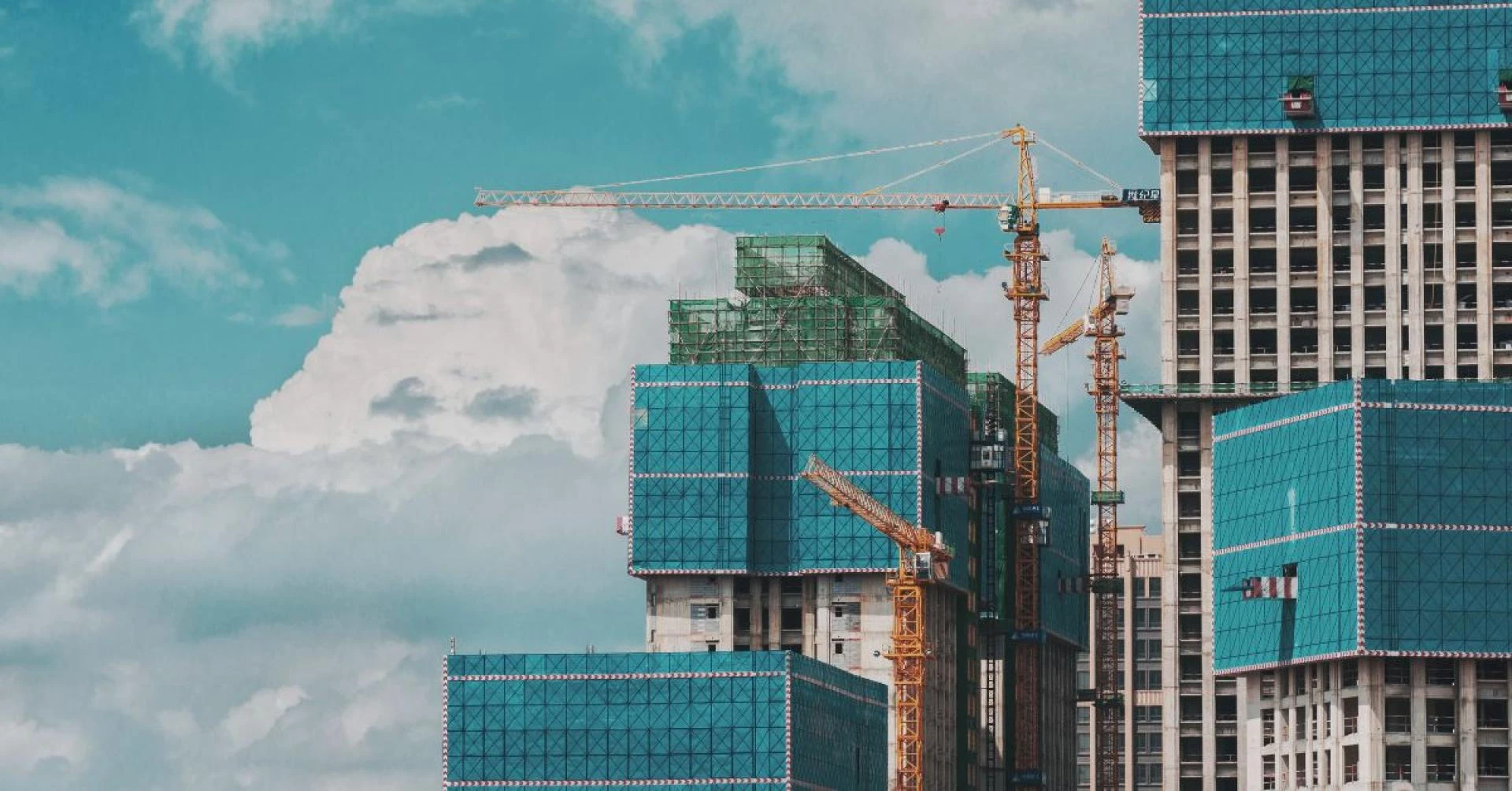
Modern infrastructure is evolving rapidly to meet the demands of growing populations, urban expansion, and environmental responsibility. Buildings are no longer designed only for structural strength and visual appeal; they are expected to perform efficiently, conserve resources, and contribute positively to the environment. Sustainable building strategies have emerged as a practical and forward-thinking approach to achieve these goals. By integrating environmental awareness with smart engineering and thoughtful planning, sustainable infrastructure delivers long-term value for communities, businesses, and governments alike.
Digital innovation plays a significant role in enabling this transformation. Advanced modeling, performance simulations, and coordinated system planning help ensure that sustainability objectives are embedded from the earliest design stages. In this context, experienced Top Bim Companies in Chennai contribute by providing accurate 3D modeling, clash detection, and data-driven analysis that strengthen energy efficiency and resource optimization. Their expertise supports the creation of infrastructure that is not only structurally sound but also environmentally responsible and operationally efficient for years to come.
Reduced Energy Consumption and Operational Costs
One of the most significant benefits of sustainable building strategies is the reduction in energy consumption. Modern buildings designed with energy-efficient systems, proper insulation, natural ventilation, and optimized daylighting require less artificial lighting and mechanical cooling. Over time, this translates into substantial savings on electricity bills and reduced dependency on non-renewable energy sources.
High-performance building envelopes, energy-efficient HVAC systems, and intelligent automation controls ensure that energy is used only when necessary. For infrastructure projects such as airports, hospitals, commercial complexes, and public institutions, these savings can be considerable. Lower operational costs free up financial resources for maintenance, upgrades, and community development.
Improved Environmental Performance
Sustainable strategies help reduce the environmental footprint of infrastructure projects. Construction activities traditionally consume large amounts of raw materials and generate significant waste. By prioritizing recycled materials, locally sourced resources, and efficient construction practices, modern infrastructure can significantly lower carbon emissions and landfill contributions.
In addition, renewable energy integration—such as solar panels and energy recovery systems—reduces greenhouse gas emissions during building operation. Sustainable water management systems, including rainwater harvesting and wastewater recycling, further protect natural resources. Collectively, these measures contribute to cleaner air, conserved water supplies, and a healthier ecosystem.
Enhanced Indoor Environmental Quality
The quality of indoor environments directly impacts the health and productivity of occupants. Sustainable building strategies emphasize proper ventilation, natural lighting, thermal comfort, and low-emission materials. These design principles reduce exposure to harmful pollutants and improve overall indoor air quality.
In workplaces, educational institutions, and healthcare facilities, better indoor environments can lead to improved concentration, fewer sick days, and higher occupant satisfaction. Natural daylight and access to outdoor views have been shown to positively influence mental well-being, making sustainable buildings not only environmentally responsible but also human-centered.
Long-Term Durability and Lifecycle Value
Sustainability is not just about reducing immediate environmental impact; it also involves long-term thinking. Modern infrastructure designed with durable materials and efficient systems tends to have a longer lifespan and lower maintenance requirements. Lifecycle cost analysis ensures that materials and technologies are selected based on long-term performance rather than just initial cost.
Durable construction reduces the need for frequent repairs and replacements, minimizing resource consumption over time. Infrastructure that remains efficient and functional for decades provides better returns on investment and supports sustainable urban growth.
Resilience and Climate Adaptation
As climate patterns become increasingly unpredictable, infrastructure must be resilient. Sustainable building strategies incorporate climate-responsive design elements that protect structures from extreme weather events such as heatwaves, heavy rainfall, and flooding.
Green roofs, permeable pavements, and improved drainage systems help manage stormwater effectively. Shading devices and reflective materials reduce heat gain in warmer climates. By adapting to local environmental conditions, sustainable buildings enhance safety and reliability while reducing repair costs caused by climate-related damage.
Efficient Resource Management
Modern sustainable infrastructure focuses on efficient use of resources throughout the building lifecycle. This includes minimizing water usage, reducing construction waste, and optimizing material selection. Smart plumbing systems and low-flow fixtures significantly reduce water consumption without compromising performance.
Construction waste management plans ensure that materials are reused or recycled wherever possible. Digital design tools and precise planning reduce material wastage during construction. Efficient resource management not only conserves natural resources but also lowers project costs and environmental impact.
Increased Property Value and Market Demand
Sustainability has become a key factor in real estate and infrastructure investments. Investors, tenants, and end-users increasingly prefer properties that demonstrate environmental responsibility and operational efficiency. Sustainable infrastructure often attracts higher occupancy rates and improved asset value.
Government regulations and green building standards are also encouraging sustainable practices. Projects that align with these standards may benefit from incentives, tax advantages, and faster approvals. As awareness continues to grow, sustainability is shifting from an optional feature to a competitive advantage in the infrastructure sector.
Support for Community and Social Well-Being
Infrastructure influences how communities live, work, and interact. Sustainable building strategies contribute to social well-being by creating healthier public spaces, reducing pollution, and promoting environmental awareness. Green spaces, pedestrian-friendly designs, and efficient public facilities improve quality of life in urban areas.
By reducing energy demand and emissions, sustainable infrastructure also supports broader climate goals and public health initiatives. Communities benefit from cleaner air, reduced noise pollution, and more reliable services. Infrastructure that prioritizes sustainability strengthens social responsibility and fosters long-term community resilience.
Innovation and Technological Advancement
The adoption of sustainable strategies drives innovation in design and construction technologies. Smart building management systems, energy modeling software, and advanced materials are continuously improving infrastructure performance. These innovations enhance transparency, enable data-driven decision-making, and optimize operations.
Modern infrastructure equipped with sensors and real-time monitoring systems can track energy usage, water consumption, and environmental conditions. This data allows facility managers to identify inefficiencies and implement improvements proactively. Technological integration ensures that sustainability remains dynamic and adaptable.
Conclusion
Sustainable building strategies are redefining modern infrastructure by aligning environmental responsibility with economic and social value. From reducing energy consumption and operational costs to enhancing indoor environmental quality and climate resilience, the benefits extend far beyond environmental protection. Sustainable infrastructure supports long-term durability, efficient resource management, and community well-being. With the support of advanced digital tools and experienced Bim Companies in Bangalore, project teams can integrate performance analysis, system coordination, and lifecycle planning directly into the design process, ensuring measurable and lasting sustainability outcomes.
As cities expand and global challenges intensify, integrating sustainable strategies into infrastructure development is not merely a trend—it is a necessity. By prioritizing thoughtful design, efficient systems, and responsible construction practices, modern infrastructure can meet present needs while preserving resources for future generations.