
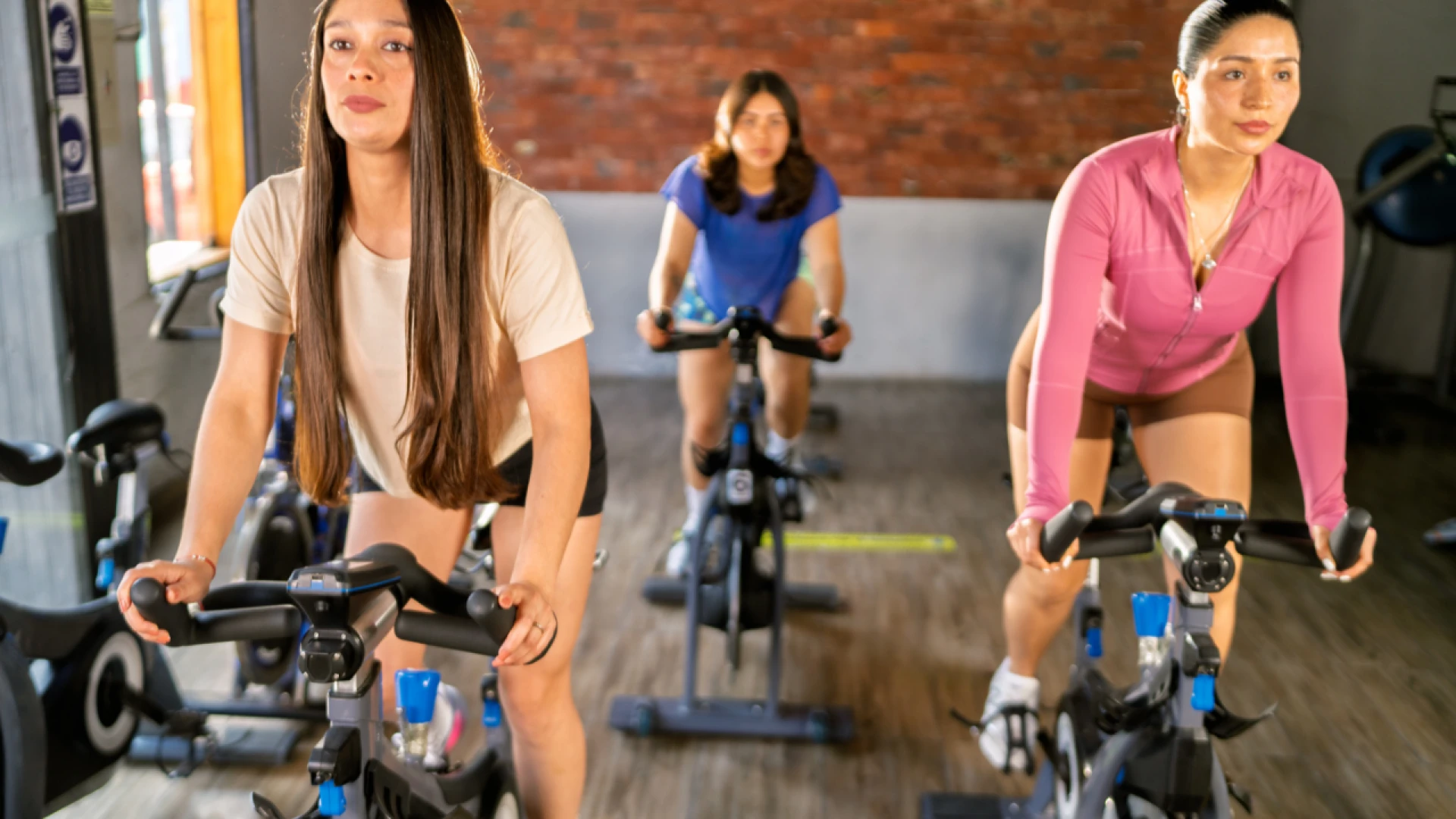
Cardiovascular exercise is a cornerstone of maintaining overall health, enhancing endurance, and improving heart function. Among the many options available for cardio workouts, spinning bike / exercise bike have gained significant attention for their accessibility, low-impact nature, and adaptability to various fitness levels. Unlike outdoor cycling, these indoor alternatives provide a controlled environment for consistent training, making them ideal for individuals seeking convenience without compromising on effectiveness.
Beyond convenience, the physiological benefits of regular cycling sessions on these machines are substantial. From improving cardiovascular efficiency to aiding in weight management, spinning and exercise bikes offer a versatile approach to aerobic fitness. Their adjustable resistance and ergonomic design allow users to tailor workouts to personal goals, whether it is endurance training, interval sessions, or recovery rides.
Understanding the specific advantages of these stationary bikes can help individuals make informed choices about incorporating them into a comprehensive fitness routine. This article explores the diverse benefits associated with spinning and exercise bikes, highlighting how they contribute to heart health, calorie expenditure, muscular engagement, and overall well-being.
Cardiovascular Health Improvement
One of the most immediate and measurable benefits of regular use is the enhancement of cardiovascular function. Riding a stationary bike encourages sustained aerobic activity, which strengthens the heart muscle, improves circulation, and increases lung capacity. Consistent workouts can help lower blood pressure, regulate cholesterol levels, and reduce the risk of cardiovascular diseases over time.
Interval training on these bikes—alternating between high-intensity sprints and moderate recovery periods—can be particularly effective in boosting VO₂ max, a key indicator of cardiovascular fitness. The low-impact nature of cycling also makes it an option for individuals with joint sensitivities, providing heart benefits without the strain associated with running or other high-impact exercises.
Calorie Burn and Weight Management
Spinning and exercise bikes are effective tools for burning calories and supporting weight management goals. Depending on intensity, duration, and individual metabolic rate, a 45-minute session can expend a significant number of calories, contributing to a caloric deficit that promotes fat loss.
Unlike some cardio machines, these bikes allow precise control over resistance levels, enabling users to gradually increase workout intensity for progressive results. This adaptability ensures that both beginners and experienced athletes can achieve meaningful calorie expenditure while minimizing the risk of overuse injuries.
Muscle Engagement and Strength Building
While primarily associated with cardio, stationary cycling also engages multiple lower-body muscle groups. The quadriceps, hamstrings, glutes, and calves are actively involved during pedaling, while maintaining proper posture can strengthen the core and improve stability.
Spinning bikes, in particular, often include settings for high-resistance climbs, which mimic uphill cycling and challenge muscular endurance. Regular use can contribute to improved leg strength and muscle tone, complementing other forms of resistance training. The repetitive, controlled motion ensures consistent engagement, promoting muscular endurance without excessive strain.
Joint-Friendly Low-Impact Exercise
One of the most significant advantages of stationary bikes is their low-impact design. Unlike running or jumping exercises, cycling minimizes stress on weight-bearing joints such as the knees, hips, and ankles. This makes it an accessible option for older adults, individuals recovering from injury, or those with chronic joint conditions seeking to maintain cardiovascular fitness safely.
The ability to adjust resistance and seating position also allows for customized biomechanics, reducing the likelihood of strain while maintaining an effective workout. This combination of safety and efficacy makes spinning and exercise bikes a sustainable long-term exercise solution.
Convenience and Versatility
Indoor cycling equipment offers unparalleled convenience compared with outdoor alternatives. Weather, traffic, and terrain are no longer limitations, allowing users to maintain consistent training schedules. Additionally, many bikes feature tracking systems, preset programs, and compatibility with virtual classes, offering versatility in workout design.
For those aiming to integrate structured cardio into a broader fitness plan, indoor cycling provides options for endurance training, high-intensity interval workouts, and recovery sessions, all within the comfort of home or gym settings. The ability to monitor metrics such as heart rate, speed, and distance enhances training effectiveness and goal tracking.
Mental Health and Cognitive Benefits
Beyond physical health, spinning and exercise bikes contribute to mental well-being. Regular aerobic exercise has been linked to reduced stress, improved mood, and enhanced cognitive function. The rhythmic motion of cycling, combined with sustained cardiovascular activity, stimulates the release of endorphins and other neurochemicals that promote a sense of well-being.
Group spinning classes or guided sessions can also provide social engagement, motivation, and accountability, further enhancing mental health benefits. The meditative quality of cycling, when performed individually, offers an opportunity for mental focus and stress relief.
Integration into Fitness Programs
Stationary bikes complement other forms of training. They can be used as a warm-up or cool-down in resistance training sessions, incorporated into high-intensity interval circuits, or employed for endurance-focused regimes. Their adaptability makes them suitable for athletes, rehabilitation patients, or anyone seeking a reliable cardio option.
Conclusion
Spinning and exercise bikes represent a practical, versatile, and effective tool for cardiovascular fitness. By providing heart health benefits, calorie-burning potential, muscular engagement, and joint-friendly exercise, they support comprehensive health goals across all age groups and fitness levels. Their convenience, adaptability, and mental health advantages further enhance their appeal as a sustainable long-term exercise option. When integrated thoughtfully into a fitness program, stationary cycling can be a cornerstone of holistic health and well-being.
FAQs
What is the difference between a spinning bike and a traditional exercise bike?
Spinning bikes typically feature a heavier flywheel and adjustable resistance for high-intensity training, often used in classes. Traditional exercise bikes may have simpler resistance systems and upright seating for general cardio purposes.
How often should I use a stationary bike for optimal cardio benefits?
For most adults, 150 minutes of moderate-intensity or 75 minutes of vigorous-intensity cycling per week is recommended, which can be divided into multiple sessions based on individual schedules and goals.
Can stationary biking help with weight loss?
Yes. Regular cycling burns calories and contributes to a caloric deficit, supporting fat loss and weight management when combined with a balanced diet.
Is cycling on a stationary bike safe for people with joint issues?
Generally, yes. The low-impact nature of stationary cycling reduces stress on the knees, hips, and ankles, making it suitable for many individuals with joint concerns, though consulting a healthcare professional is advisable for those with severe conditions.
Can indoor cycling improve mental health?
Absolutely. Regular aerobic exercise on a bike can reduce stress, improve mood, enhance cognitive function, and release endorphins that promote a sense of well-being.