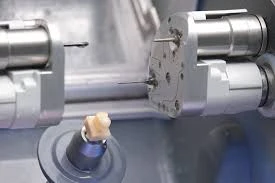
In the modern medical industry, precision, reliability, and innovation are paramount. As technology evolves, manufacturers seek methods to produce highly accurate and complex components that meet stringent safety and quality standards. One technology that has revolutionized medical manufacturing is custom medical CNC machining. By using computer-controlled machines to create intricate parts from various materials, this approach offers unparalleled precision and consistency, which are crucial in medical applications.
Custom medical CNC machining enables manufacturers to produce components with exact specifications and tight tolerances. From surgical instruments to implantable devices, the accuracy provided by CNC machines ensures that each part functions exactly as intended, minimizing the risk of failure. Furthermore, the ability to automate complex machining processes reduces human error, leading to higher product quality and reliability.
High Precision and Accuracy
In medical manufacturing, even the slightest deviation in a component's dimensions can have serious consequences. Custom medical CNC machining provides high precision and repeatability, allowing manufacturers to create parts that meet strict regulatory standards. CNC machines operate with computer-aided instructions, which ensures that each piece is machined exactly according to the digital design. This precision is essential for components such as orthopedic implants, cardiovascular stents, and surgical instruments, where tolerances are often measured in microns.
Additionally, the accuracy of custom medical CNC machining supports the creation of intricate geometries that would be nearly impossible to achieve with traditional machining methods. Complex shapes, micro-holes, and fine threads can be produced consistently, ensuring that medical devices perform as required. This level of accuracy not only enhances device reliability but also improves patient outcomes by providing safer and more effective medical solutions.
Enhanced Material Versatility
Another significant advantage of custom medical CNC machining is its versatility in handling a wide range of materials. Medical components often require biocompatible metals like titanium, stainless steel, and cobalt-chrome alloys, as well as durable plastics such as PEEK or UHMWPE. CNC machining can efficiently work with these materials without compromising structural integrity or surface finish, ensuring that each part meets medical industry requirements.
Moreover, custom medical CNC machining allows for precise material removal and shaping, reducing waste and optimizing resource use. This is particularly important for high-cost materials like titanium, which is commonly used in implants. By accurately machining components to exact specifications, manufacturers can achieve maximum material efficiency, lowering production costs while maintaining the highest quality standards.
Faster Production and Scalability
Speed is crucial in medical manufacturing, especially when responding to urgent demands for medical devices and surgical tools. Custom medical CNC machining accelerates the production process by using automated, computer-controlled machinery that can run continuously with minimal human intervention. This automation reduces lead times compared to traditional manual machining methods, allowing medical manufacturers to quickly respond to market needs or emergency situations.
Scalability is another key benefit of custom medical CNC machining. Once a design is programmed into the CNC system, it can be reproduced consistently for small batches or large-scale production. This flexibility is invaluable in the medical industry, where both custom single-use devices and high-volume standardized products are required. The ability to scale production efficiently ensures that manufacturers can meet varying demand without compromising quality or precision.
Improved Quality Control and Consistency
Quality control is a cornerstone of medical device manufacturing. Custom medical CNC machining inherently supports consistent production by utilizing computer-aided design (CAD) files to guide machining processes. Each component is manufactured with identical specifications, significantly reducing the risk of variability and defects. Consistency is particularly critical for components used in life-saving applications, where even minor imperfections can compromise patient safety.
Furthermore, CNC machines can integrate in-line inspection systems and real-time monitoring, allowing manufacturers to detect deviations during production. This proactive approach to quality control ensures that every component meets regulatory standards, including ISO 13485 and FDA guidelines. By combining precision machining with rigorous quality assurance, custom medical CNC machining delivers reliable, high-quality components that healthcare professionals can trust.
Cost Efficiency and Waste Reduction
While initial investment in CNC machinery may be high, custom medical CNC machining offers long-term cost benefits. The high precision and automation of CNC processes reduce material waste, minimize errors, and lower labor costs. Since components are machined accurately the first time, the need for rework or corrective measures is drastically reduced, saving both time and resources.
Additionally, CNC machining allows for the optimization of complex designs that traditional methods may struggle to produce. By maximizing material usage and streamlining production workflows, medical manufacturers can reduce overall operational costs while maintaining the highest standards of quality and safety. This combination of efficiency and precision makes custom medical CNC machining a financially and operationally advantageous choice for medical device production.
Conclusion
Custom medical CNC machining has become an indispensable technology in the medical manufacturing sector. By offering unparalleled precision, material versatility, faster production, improved quality control, and cost efficiency, it allows manufacturers to produce high-quality medical devices that meet stringent regulatory standards. As the demand for complex and reliable medical components grows, the adoption of custom CNC machining will continue to drive innovation, ensuring that healthcare professionals have the tools they need to save lives and improve patient outcomes.
In a competitive and highly regulated industry, leveraging the benefits of custom medical CNC machining is not just an advantage—it is essential for success. By investing in this advanced manufacturing technology, medical companies can ensure precision, reliability, and efficiency, ultimately delivering better care to patients worldwide.