Air conditioners are built to run for years, often in environments that are far from ideal. Heat, humidity, pollution, salt air, and dust constantly attack the metal components inside an AC unit. Over time, this exposure leads to corrosion, reduced efficiency, frequent breakdowns, and shorter equipment life. Anti-corrosion coating addresses this problem at its root.
This blog explains what anti-corrosion coating is, how it works, and why it is becoming essential for modern air conditioning systems. Whether you are a homeowner, facility manager, or HVAC professional, understanding this protection can help you make smarter long-term decisions.
What Is Anti-Corrosion Coating in Air Conditioners?
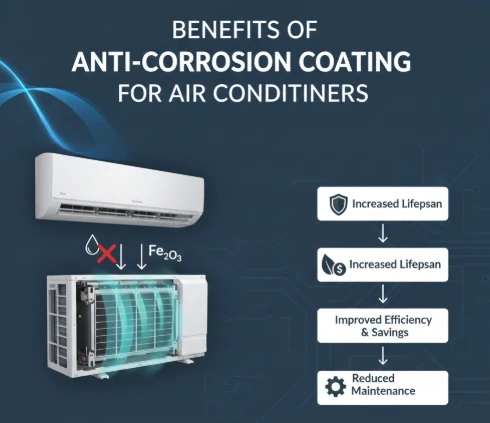
Anti-corrosion coating is a protective layer applied to critical AC components, especially coils and metal surfaces. Its primary purpose is to shield these parts from moisture, chemicals, and environmental contaminants that cause rust and oxidation.
When applied correctly, an ac coating creates a barrier between metal surfaces and corrosive elements in the air. This barrier prevents chemical reactions that weaken the structure of coils and fins over time. Unlike surface paint, these coatings are engineered to be thin, durable, and thermally efficient.
Why Corrosion Is a Serious Problem for AC Units?
Corrosion is not just a cosmetic issue. It directly affects performance and reliability. When condenser or evaporator coils corrode, tiny holes can form, leading to refrigerant leaks. Even minor corrosion can reduce heat transfer efficiency, forcing the compressor to work harder.
In coastal areas, salt-laden air accelerates corrosion dramatically. In cities, industrial pollution and high humidity create similar risks. Without protection, AC systems in such environments often fail years earlier than expected.
How Anti-Corrosion Coating Works?
Anti-corrosion coatings work by isolating metal surfaces from oxygen, moisture, and pollutants. Some coatings are polymer-based, while others use epoxy or specialized nano-materials. These materials adhere tightly to the metal and resist cracking or peeling under temperature changes.
At the same time, the coating is designed to maintain proper heat exchange. This balance is crucial. A coating that blocks corrosion but reduces thermal conductivity would harm cooling performance, which is why HVAC-specific coatings are used.
Key Benefits of Anti-Corrosion Coating for AC Systems
1. Extended Equipment Lifespan
One of the most important benefits is longer system life. By preventing rust and material degradation, coated components remain structurally sound for years. This delays the need for expensive replacements and major repairs.
For homeowners, this means better return on investment. For commercial facilities, it reduces capital expenditure over time.
2. Improved Cooling Efficiency
Corroded coils do not transfer heat efficiently. Even a thin layer of corrosion disrupts airflow and heat exchange. Anti-corrosion coating keeps coil surfaces smooth and clean, allowing heat to move freely.
As a result, the AC reaches desired temperatures faster and maintains consistent cooling. This directly improves user comfort while reducing strain on the system.
3. Lower Energy Consumption
When an AC system struggles to transfer heat, it consumes more electricity. The compressor runs longer, fans work harder, and overall power usage increases. By protecting coils, anti-corrosion coatings help maintain optimal operating conditions.
Over time, this translates into noticeable energy savings, especially in high-usage environments like offices, malls, and hotels.
4. Reduced Maintenance and Repair Costs
Corrosion often leads to frequent service calls. Refrigerant leaks, coil damage, and airflow restrictions all require maintenance. Anti-corrosion coating significantly reduces these issues.
Technicians spend less time fixing preventable problems, and users face fewer unexpected breakdowns. This is particularly valuable in locations where downtime is costly or inconvenient.
5. Protection in Harsh Environments
Air conditioners installed near coastlines, chemical plants, highways, or industrial zones face constant exposure to corrosive agents. Anti-corrosion coating acts as a defensive shield in these harsh environments.
Even in normal urban settings, pollution and humidity slowly degrade unprotected components. Coating provides long-term resilience regardless of location.
6. Better Indoor Air Quality
Corroded coils can trap dirt, mold, and bacteria more easily. This buildup affects airflow and may contribute to poor indoor air quality. Smooth, coated surfaces resist dirt accumulation and are easier to clean.
Cleaner coils mean cleaner air circulation, which supports healthier indoor environments, especially in homes with children or elderly occupants.
7. Consistent Performance Over Time
Many AC systems perform well in the first few years and then gradually lose efficiency. Corrosion is a major reason for this decline. Anti-corrosion coating slows down performance degradation, allowing the unit to operate closer to its original efficiency for longer.
This consistency is especially valuable in commercial settings where predictable performance is critical.
Common Types of Anti-Corrosion Coatings Used in ACs
Different coatings are used depending on application and environment. Blue fin and gold fin coatings are popular examples, offering protection against moisture and salt. Advanced polymer and nano-coatings provide even stronger resistance with minimal impact on heat transfer.
It is important to note that not every surface treatment qualifies as corrosion protection. For example, which is not an anti-corrosion coating material includes ordinary decorative paint, basic varnish, or untested sprays not designed for HVAC use. These may look protective but fail under real operating conditions.
Role of AC Coating Spray in Maintenance
In addition to factory-applied coatings, technicians sometimes use ac coating spray during servicing or refurbishment. These sprays are applied to coils and metal parts to restore or enhance corrosion resistance.
While spray coatings are helpful, they must be applied correctly. Improper application can reduce airflow or create uneven layers. Professional handling ensures that the coating improves protection without affecting system efficiency.
Anti-Corrosion Coating and Warranty Considerations
Many manufacturers now offer extended warranties on coated components. This reflects confidence in the coating’s ability to protect critical parts. For buyers, this adds peace of mind and long-term value.
However, it is important to follow manufacturer guidelines. Unauthorized coatings or improper maintenance can sometimes void warranties, so professional advice is recommended.
Cost vs Value: Is Anti-Corrosion Coating Worth It?
Anti-corrosion coating adds to the initial cost of an AC system or service. However, this cost is small compared to the long-term savings it provides. Reduced energy bills, fewer repairs, and longer equipment life quickly offset the upfront investment.
In regions with high humidity or pollution, the value becomes even more pronounced. What seems optional at first often becomes essential over the lifespan of the system.
Choosing the Right AC with Anti-Corrosion Protection
When purchasing a new air conditioner, it is worth checking whether key components come with factory-applied corrosion protection. Look for clear specifications rather than generic claims.
For existing systems, consult a qualified technician about coating options suitable for your environment. The right solution depends on usage patterns, location, and system design.
Conclusion
Anti-corrosion coating plays a critical role in protecting air conditioners from environmental damage. By preserving coil integrity, improving efficiency, and reducing maintenance needs, it delivers both performance and financial benefits.
As AC systems become more advanced and energy standards tighten, protecting components from corrosion is no longer a luxury. It is a practical step toward reliable cooling, lower operating costs, and longer system life. Investing in proper anti-corrosion coating today helps ensure that your air conditioner continues to perform efficiently for years to come.