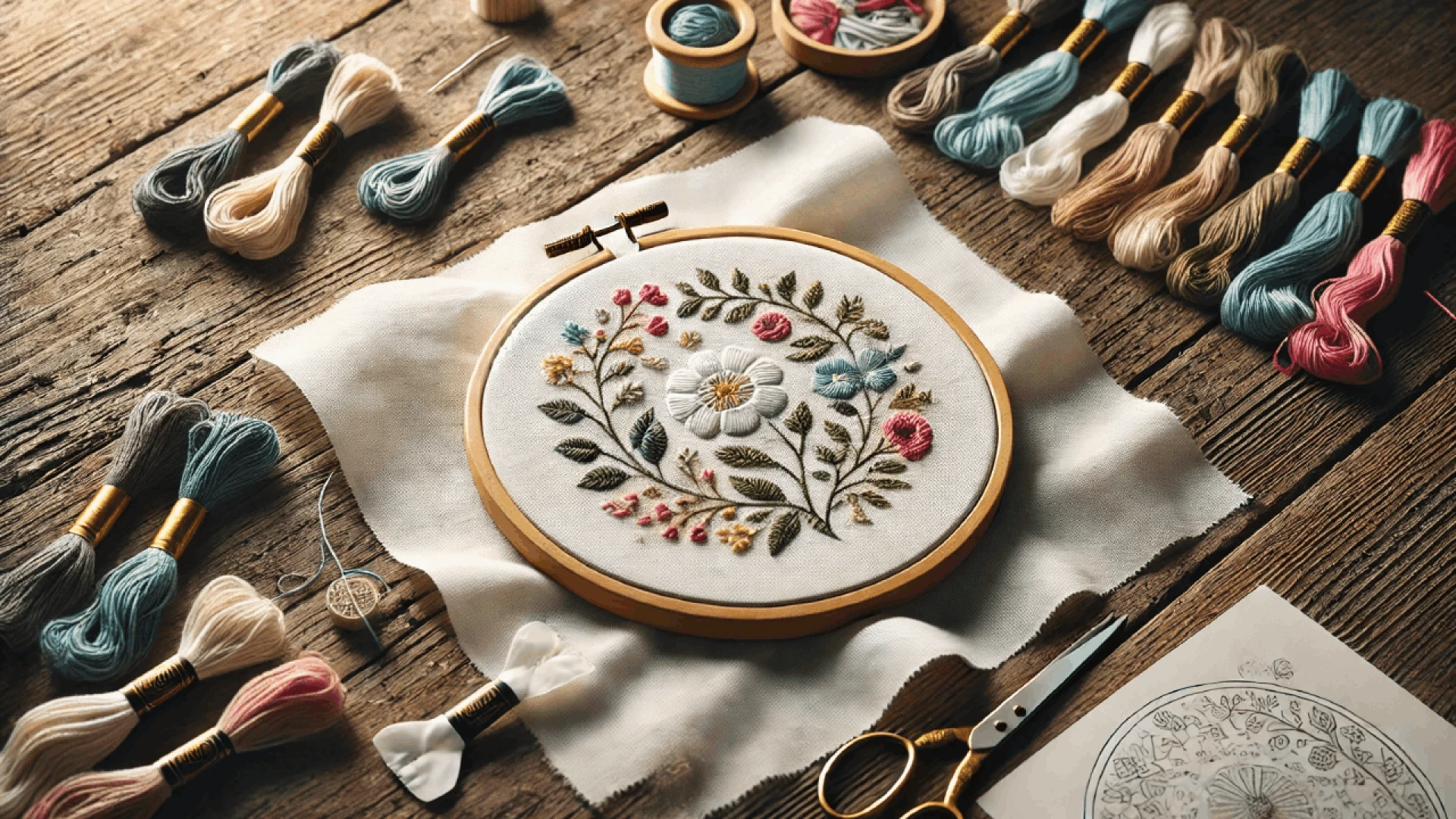
Embroidery is more than just beautiful designs and colorful threads — it's a precise combination of technique, materials, and preparation. One of the most overlooked elements in this craft is the stabilizer. While it may not be visible in the final product, its presence determines whether your stitches will look professional or like a wrinkled mess. In simple terms, embroidery stabilizers are the backbone of any clean, precise embroidery job.
Understanding the Hidden Hero of Embroidery
Imagine trying to stitch a complex design on a piece of stretchy T-shirt fabric. Without something to hold the material firm, the stitches would shift, stretch, or clump together. That’s exactly what stabilizers prevent. They are used to support the fabric while the needle punches through it hundreds or thousands of times. The stabilizer keeps the fabric in place, absorbs excess tension, and allows for even, uniform stitching.
There’s a reason commercial embroidery shops rely so heavily on them. Whether you’re working with a home embroidery machine or a professional setup, stabilizers help ensure that your final design doesn’t warp, pucker, or unravel after just one wash.
Matching Stabilizer to Fabric
Not all fabrics are created equal — some are stretchy, some are delicate, and others are extremely thick. Each one has unique requirements when it comes to embroidery. This is where choosing the right stabilizer matters most.
- For Stretchy Fabrics (like knits or jerseys): Cut-away stabilizers are the best choice. These stay permanently behind the design, offering long-term support.
- For Stable Fabrics (like canvas or denim): Tear-away stabilizers work well. They’re easy to remove and don’t leave residue.
- For Sheer or Delicate Materials: Water-soluble stabilizers are perfect. They dissolve in water after stitching, leaving no trace behind.
- For Slippery or Hard-to-Hoop Items: Adhesive or sticky-backed stabilizers help hold the fabric firmly in place without hooping it.
The right match prevents the common headaches that ruin embroidery: off-center designs, misaligned letters, and fabric shrinkage.
Layering for Better Results
In some cases, a single layer of stabilizer isn't enough. If you're working with dense designs that involve heavy stitching, layering two types of stabilizers — for example, a cut-away underneath and a wash-away on top — can help. This technique is particularly useful when working on textured fabrics like terry cloth, where stitches may sink in and disappear.
Another example is using a topper when embroidering on fleece or corduroy. This extra layer ensures your design stands out sharply rather than sinking into the nap of the fabric.
Don’t Skip Testing
Even professionals test their stabilizer and fabric combination before going into final production. A simple test stitch on a scrap piece can reveal potential problems like puckering or distortion. It also helps you fine-tune your tension settings and ensure that the stabilizer is holding up properly.
This one step can save you a ton of time, fabric, and thread — especially on complex or large-scale projects.
Final Thoughts
Embroidery is a mix of creativity and engineering. No matter how advanced your design software or how expensive your machine is, without the right foundation, the final product will fall short. That’s why embroidery stabilizers are considered a core tool in every serious embroiderer’s toolkit.
Take the time to understand the types of stabilizers available, how they interact with your chosen fabric, and when to use which. Investing in quality embroidery stabilizers will pay off in the form of cleaner results, fewer mistakes, and products that hold up beautifully over time.
A platform where you'll get embroidery designs and knowledge about embroidery.
Visit now: Stitch Digitizer