There are some journeys that begin with a destination in mind, while others begin with a feeling. The journey to Badrinath Dham is one of those rare experiences where the road itself becomes part of the pilgrimage.
Nestled among the magnificent mountains of Uttarakhand, Badrinath Dham is one of the most revered pilgrimage destinations in India. Surrounded by snow-covered peaks, flowing rivers and peaceful Himalayan landscapes, the journey to Badrinath is not simply about reaching a temple. It is about slowing down, leaving behind the noise of everyday life and experiencing a different kind of peace.
For many devotees, visiting Badrinath Dham is a dream they carry for years.
The Journey Begins in the Mountains
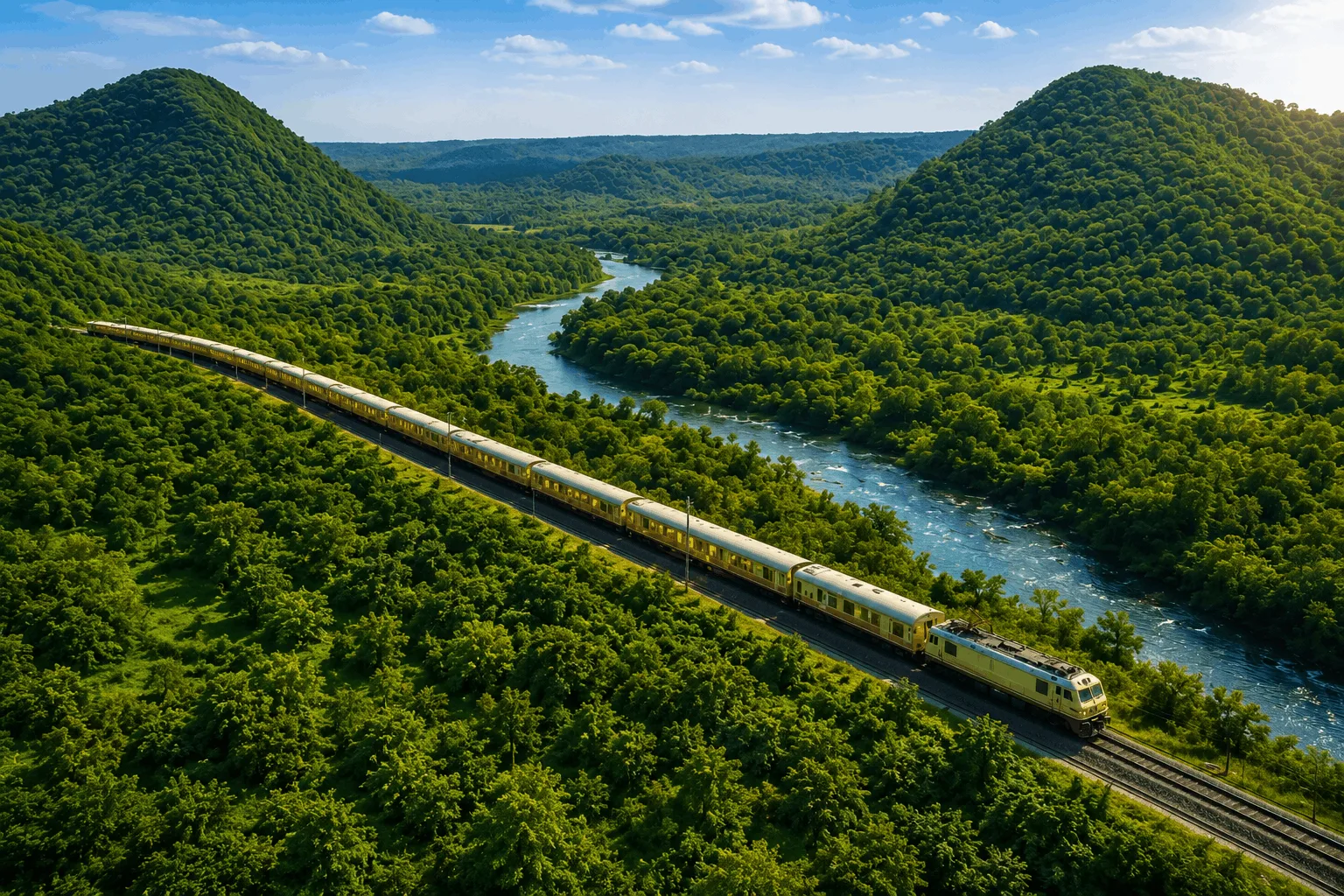
The journey to Badrinath feels different from the moment you enter the Himalayan region. The landscape gradually changes as the roads wind through green valleys, mountain villages and deep gorges.
The sound of the river flowing beside the road becomes a constant companion. Every turn seems to reveal another beautiful view of the mountains.
Unlike an ordinary road trip, a Badrinath Yatra has a sense of purpose. Families travel together, groups of pilgrims can be seen carrying bags and chanting prayers, and small roadside temples appear along the way.
The journey may be long, but the changing scenery makes every part of it memorable.
Arriving at Badrinath Dham
As you get closer to Badrinath, the Himalayan surroundings become even more impressive. Located in the Chamoli district of Uttarakhand, Badrinath is situated along the Alaknanda River and surrounded by towering mountain ranges.
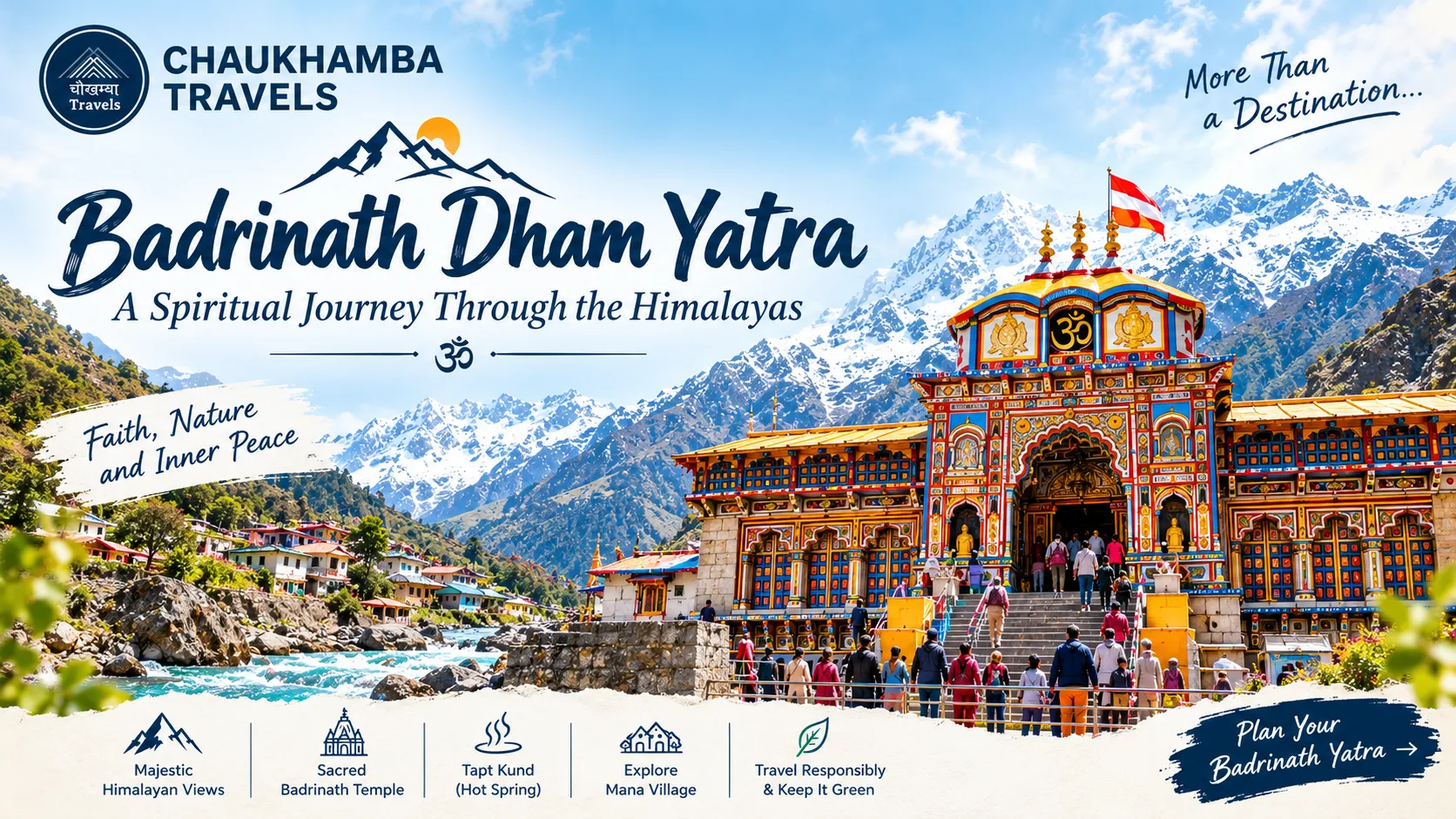
At the heart of the town stands the famous Badrinath Temple, dedicated to Lord Vishnu in his form as Badrinarayan.
The colourful temple stands beautifully against the dramatic mountain backdrop. For a first-time visitor, seeing the temple in person can feel very different from seeing photographs of it.
There is something peaceful about standing there, watching devotees enter the temple with folded hands while the mountains rise quietly behind them.
The Spiritual Experience of Badrinath Temple
The Badrinath Temple holds a special place in Hindu tradition and is considered one of the important pilgrimage sites in India.
Inside the temple, devotees offer prayers to Lord Badrinarayan and spend a few peaceful moments in reflection. The atmosphere around the temple can be filled with chants, bells and the energy of pilgrims who have travelled long distances to reach this sacred place.
One of the memorable experiences for visitors is spending time around Tapt Kund, the natural hot spring near the temple. Traditionally, pilgrims take a bath here before entering the temple.
The combination of the warm waters, cold mountain air and surrounding Himalayan landscape makes the experience particularly unique.
More Than Just a Temple Visit
A Badrinath Yatra doesn't have to end with darshan at the main temple.
The surrounding region offers several places that add another dimension to the pilgrimage. Mana Village, located near the India-Tibet border, is one such place. Known for its traditional Himalayan setting and cultural significance, the village gives travellers a glimpse into mountain life.
The journey around Badrinath also introduces visitors to spectacular natural scenery. Rivers, waterfalls, rocky mountain slopes and snow-covered peaks create a landscape that stays in the memory long after the journey is over.
For many travellers, these quiet moments away from the crowds become some of the most meaningful parts of the trip.
When Should You Plan Your Badrinath Yatra?
Badrinath Dham is located at a high altitude, so the pilgrimage is generally planned during the months when the temple is accessible.
The best time for a comfortable journey usually depends on the temple's official opening schedule and prevailing mountain weather conditions. During the pilgrimage season, it is important to check road conditions and weather updates before travelling.
The Himalayan weather can change quickly, so keeping some flexibility in your itinerary is always a good idea.
What Should You Carry?
A little preparation can make a Badrinath Yatra much more comfortable.
Some useful things to carry include:
- Warm clothes and a light jacket
- Comfortable walking shoes
- Personal medicines and a basic first-aid kit
- Water bottle and light snacks
- Sunglasses and sunscreen
- ID and important travel documents
- Power bank and phone charger
- Small backpack instead of heavy luggage
- Rain protection, depending on the season
Since the journey involves mountainous roads and walking, comfortable clothing and footwear can make a significant difference.
Travelling Responsibly in the Himalayas
The beauty of Badrinath comes with a responsibility to protect it.
While travelling through the mountains, avoid throwing plastic or other waste on roads and near rivers. Carry reusable bottles where possible and respect local traditions and communities.
The Himalayas are delicate ecosystems. A responsible traveller leaves behind memories—not garbage.
A Journey You Remember Long After Returning
Perhaps the most beautiful thing about a Badrinath Dham Yatra is that everyone experiences it differently.
For one person, it may be about faith. For another, it may be about spending time with family. Someone else may remember the mountains, the river, the long winding roads or the peaceful morning around the temple.
But when the journey finally comes to an end, Badrinath often leaves behind something that is difficult to describe.
You return home with photographs, memories and perhaps a little more peace than you had when you started.
Badrinath Dham is not just a destination in the Himalayas. It is a journey of faith, nature and inner reflection—one that stays with you long after the mountains disappear from view.