
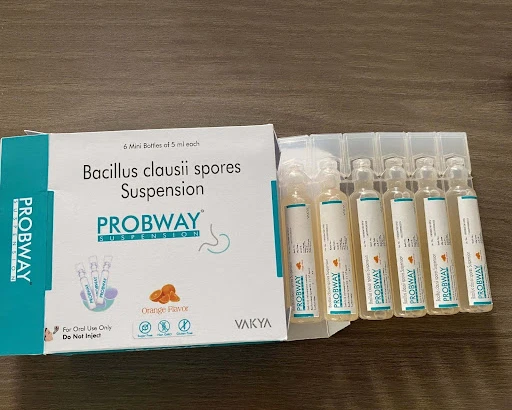
Understanding Bacillus Clausii Spores Suspension: A Deep Dive into the Manufacturers' World
Probiotics have emerged as an essential part of modern healthcare and wellness, with a growing body of evidence supporting their role in maintaining gut health, boosting immunity, and enhancing overall well-being. Among the wide range of probiotic strains, Bacillus clausii stands out due to its robust nature and effectiveness. As a spore-forming bacterium, Bacillus clausii offers unique advantages, especially in oral suspension form. This has spurred a growing market for Bacillus clausii spores suspension and an increasing number of manufacturers focused on producing high-quality formulations.
What is Bacillus Clausii?
Bacillus clausii is a gram-positive, rod-shaped bacterium known for its probiotic qualities. It forms spores, making it exceptionally resilient to harsh conditions, including stomach acid and high temperatures. This resilience enables it to survive the gastrointestinal tract and colonize the intestine, where it helps restore the natural balance of gut flora. It is often prescribed in the form of an oral suspension to treat diarrhea, antibiotic-associated gastrointestinal issues, and to support general gut health.
Its ability to produce antimicrobial substances and stimulate immune response has made it a staple in pediatric and adult probiotic treatments, especially in countries where gastrointestinal infections are common.
The Manufacturing Process: Precision and Purity
Manufacturing Bacillus clausii spores suspension is a complex process that requires adherence to stringent quality and safety standards. The process typically begins with the selection of a clinically validated strain of Bacillus clausii. Once isolated, the bacteria are cultivated under carefully controlled conditions to ensure optimal growth and spore formation.
The spores are then harvested, purified, and suspended in a suitable carrier medium that allows for easy oral administration. This suspension must maintain the viability of the spores throughout the product’s shelf life, requiring precise formulation and packaging. Manufacturers often employ advanced biotechnological processes and quality control measures such as microbial purity testing, viability assays, and stability studies to meet regulatory and therapeutic standards.
Key Considerations for Manufacturers
1. Regulatory Compliance:
One of the biggest challenges for manufacturers is adhering to international regulatory frameworks. Whether operating under the guidelines of the US FDA, EMA, or national drug regulatory authorities, manufacturers must comply with Good Manufacturing Practices (GMP), proper labeling standards, and clinical documentation to support efficacy and safety.
2. Strain Authentication:
Not all strains of Bacillus clausii have the same probiotic properties. Authenticating the strain used in the suspension is crucial. Manufacturers typically use molecular techniques like 16S rRNA sequencing to ensure that the correct, beneficial strain is being used.
3. Stability and Shelf Life:
Ensuring the viability of spores over time is vital for the product’s effectiveness. Manufacturers invest heavily in research and development to improve the stability of their formulations, often using specific excipients or protective packaging materials to extend shelf life without refrigeration.
4. Scalability and Supply Chain Management:
Producing probiotics at scale requires access to reliable raw materials, skilled personnel, and efficient supply chain networks. As demand grows globally, manufacturers must scale operations without compromising on quality. This often involves investing in automation, robust quality systems, and sustainable sourcing.
5. Customization for Diverse Markets:
Different markets may have different needs – from pediatric formulations to adult doses, sugar-free versions, or flavored suspensions. Manufacturers often develop customized product lines to cater to diverse consumer preferences, therapeutic requirements, and regional health challenges.
Innovation in the Sector
Innovation is a driving force in the Bacillus clausii manufacturing space. Many producers are exploring next-generation delivery systems like encapsulated spores, powder-for-suspension formats, and combination probiotics that include other beneficial strains or prebiotics. There is also a growing trend toward integrating digital health technologies, such as smart packaging or QR codes, to educate consumers and track usage patterns.
Some manufacturers are also investing in environmental sustainability, seeking ways to reduce waste, use eco-friendly packaging, and implement green manufacturing practices – aligning with broader global sustainability goals.
The Road Ahead
The future for Bacillus clausii spores suspension manufacturers looks promising. As the global population becomes more health-conscious and as awareness of probiotics continues to rise, the demand for safe, effective, and accessible probiotic solutions will grow. With the right investments in science, manufacturing excellence, and regulatory compliance, manufacturers can play a crucial role in addressing global health challenges related to gut health and beyond.
Whether supporting recovery from antibiotic therapy or promoting long-term digestive wellness, Bacillus clausii spores suspension remains a cornerstone of modern probiotic therapy – and manufacturers are at the heart of delivering this health benefit to millions around the world.
URL: For more information, visit Prob: Bacillus Clausii Spores Suspension Manufacturers