Choosing where to pursue a Bachelor’s degree in medical and health sciences is a pivotal decision for students aiming to build a career in healthcare. In Malaysia, Manipal University College Malaysia (MUCM) is a well-established institution known for its quality healthcare education, clinical exposure, and internationally recognised programmes. With more than 26 years of experience in medical and allied health training, MUCM has made a mark as a leading destination for students from across the world seeking high-quality undergraduate healthcare degrees.
Located in Melaka, Malaysia, MUCM offers a range of undergraduate healthcare programmes under its Faculty of Medicine and Faculty of Allied Health & Psychology. While the flagship programme is the Bachelor of Medicine & Bachelor of Surgery (MBBS), which prepares students for a professional medical career, the college also provides other medical and health sciences-related bachelor degrees such as Bachelor of Science (Honours) in Occupational Therapy, Bachelor of Science (Honours) in Physiotherapy, and Bachelor in Science (Honours) Psychology. These allied health degrees are ideal for students interested in specialised health science fields beyond clinical medicine.
Academic Programmes and Structure
The medical degree (MBBS) at MUCM is a five-year full-time programme that combines rigorous academic training with extensive clinical exposure. The curriculum typically spans 10 semesters, with early years focused on foundational sciences such as anatomy, physiology, biochemistry and microbiology, followed by advanced clinical training in hospitals and healthcare settings where students gain hands-on experience in disciplines like internal medicine, surgery, obstetrics, paediatrics and emergency care.
For students interested in medical and health sciences but not necessarily pursuing a clinical doctor role, the allied health bachelor degrees offer robust 3–4-year undergraduate pathways into careers like physiotherapy, occupational therapy and psychology. These programmes emphasise practical skills, patient-centred care, rehabilitation sciences, and applied health knowledge aligned with industry needs.
Entry Requirements and Eligibility
Entry into MUCM’s undergraduate programmes generally requires completion of higher secondary education (or an equivalent qualification) with a strong science background. For medical degrees specifically, applicants are usually expected to meet subject prerequisites such as biology, chemistry, physics and mathematics at the high-school. Alongside academic qualifications, students may also go through interviews or additional assessments as part of the admission process.
Other allied health and psychology degree requirements vary by programme but typically include a recognised secondary school certificate with satisfactory grades in relevant subjects. International applicants may also need to demonstrate English proficiency depending on their previous education.
Learning Environment and Experience
MUCM places strong emphasis on practical learning and clinical readiness. For example, MBBS students benefit from clinical rotations in affiliated hospitals and community health settings, which help bridge the gap between theory and real-world healthcare delivery. Additionally, facilities such as state-of-the-art labs, anatomy dissection tools and simulation equipment support immersive learning for all health science students.
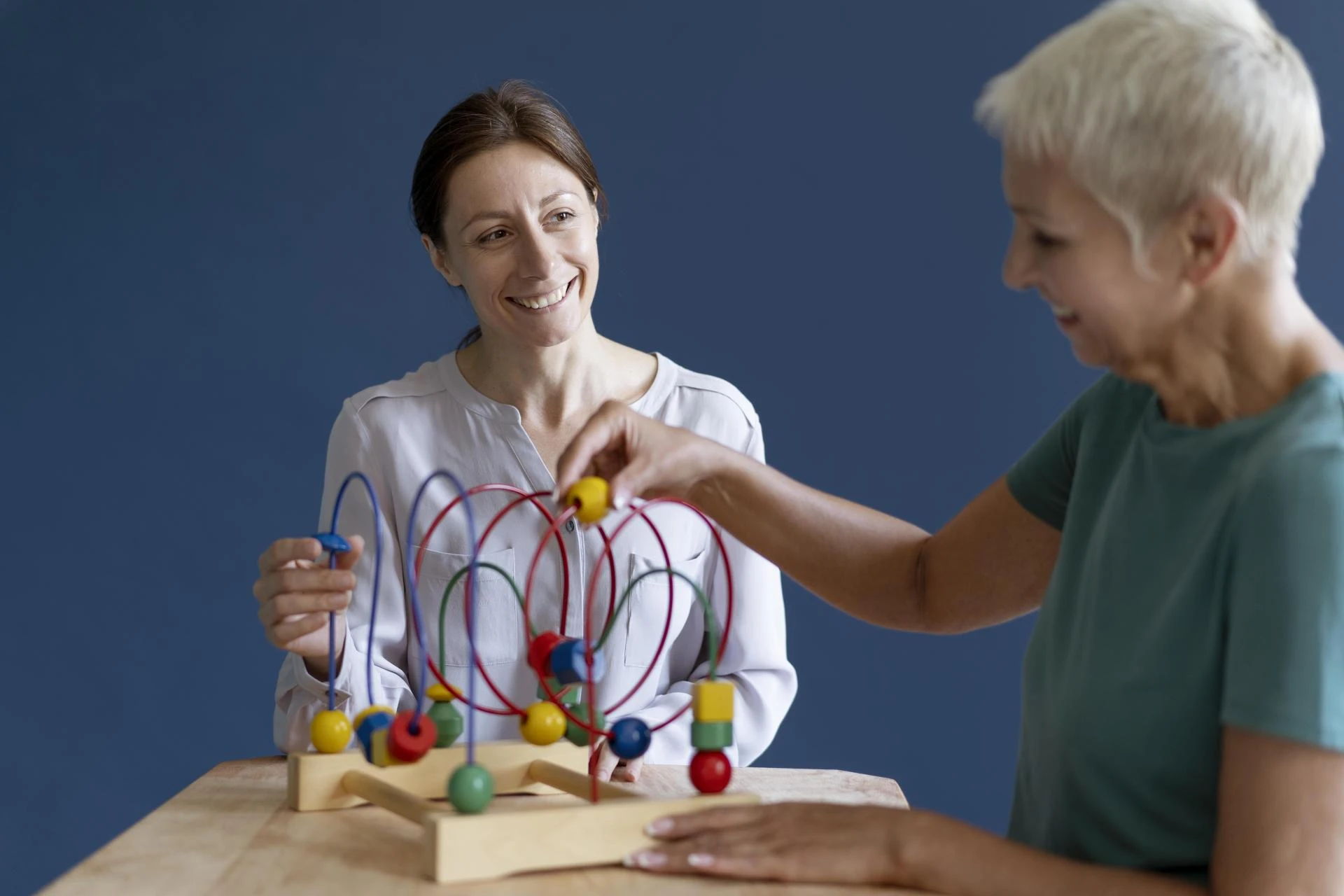
For allied health degrees, structured clinical placements and hands-on training are integrated into the curriculum to ensure students graduate with competence in assessment, therapy techniques, and evidence-based practice — skills that are increasingly in demand across global healthcare systems.
Career Outcomes
Graduates from MUCM’s healthcare programmes are prepared for diverse careers within the healthcare sector. Medical graduates can pursue clinical practice, postgraduate specialisation, or licensing exams in various countries (subject to relevant regulatory requirements). Allied health graduates find opportunities in physical rehabilitation centres, hospitals, community clinics, mental health services, and private practice.