Business events create valuable opportunities for companies to meet potential buyers, demonstrate expertise, and build professional relationships. However, the value of a webinar, virtual conference, product demonstration, or industry event does not depend only on the number of people who attend. The real opportunity often appears before registration and continues long after the event has ended.
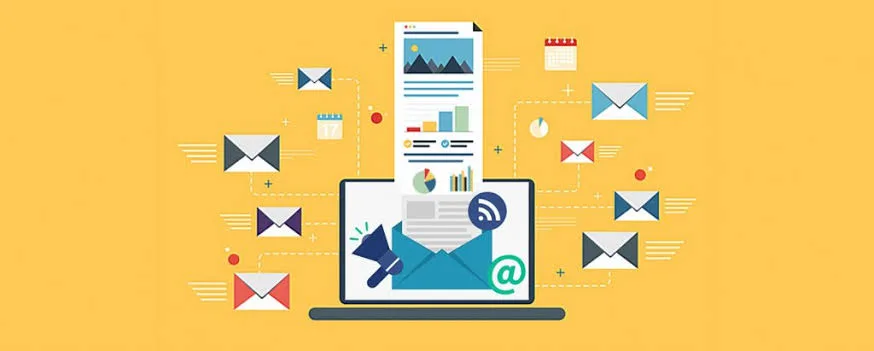
Email can connect every stage of this experience. B2B Email Marketing Services make that coordination easier to plan and repeat. It can introduce the event to the right audience, explain why the topic matters, prepare registrants, encourage attendance, and provide useful follow-up material. When these activities work together, B2B Email Marketing Services help businesses turn individual event interactions into a more organised commercial journey.
Start with an event idea that solves a real business problem
An effective event begins with a clear audience need. A webinar titled around a broad industry trend may attract attention, but a session that addresses a specific operational challenge gives busy professionals a stronger reason to register.
Before promoting the event, define the audience, the problem being addressed, and the practical takeaway attendees can expect. B2B Email Marketing Services can then communicate one consistent promise across invitations, reminders, and follow-up messages. This clarity helps recipients decide whether the event is relevant to their responsibilities. B2B Email Marketing Services keep that promise consistent throughout the event journey.
Build a campaign around the complete event journey
A successful event communication plan is more than one invitation sent to a mailing list. B2B Email Marketing Services help teams manage the sequence without losing sight of the audience. Each stage has a different purpose, and each message should make the next action clear.
1. Introduce the event
The first message should explain the topic, intended audience, speaker credentials, date, and main benefit. Avoid filling the email with every detail from the event agenda. Give readers enough information to understand the value and register.
A focused B2B email campaign can use a concise subject line, a short explanation of the problem, and a prominent registration instruction.
2. Help registrants prepare
After registration, send a confirmation with the event time, joining instructions, calendar details, and a brief overview of what will be covered. A later reminder can introduce the speaker or share a question that will be discussed during the session.
B2B Email Marketing Services can organise these messages according to registration status. Someone who has already registered should receive preparation information rather than another invitation asking them to sign up.
3. Encourage attendance
Registrations do not automatically become attendees. A reminder sent at an appropriate time can help people remember the session and plan around it.
The reminder should make joining easy. Include the start time and access instructions, and avoid adding unrelated promotional offers that distract from the event.
Make the event itself useful and memorable
Email can bring people into a session, but the event experience must deliver on the invitation. A useful presentation respects the audience's time, uses practical examples, and leaves room for questions.
Speakers should avoid turning every slide into a sales pitch. Explain the challenge, discuss possible approaches, and show how businesses can evaluate their options.
Create follow-up messages for different attendee groups
The period after an event is often where promising conversations lose momentum. B2B Email Marketing Services help keep the conversation moving with relevant information. A single thank-you email sent to everyone may be polite, but it does not recognise that participants have different levels of interest and different next steps.
Separate the audience into practical groups: people who attended, registrants who could not attend, participants who asked detailed questions, and people who requested further information. Each group should receive a message that reflects its experience.
For attendees, share the recording, presentation materials, and a concise summary of useful points. For people who missed the session, provide the recording and a simple way to access the main takeaways. For participants who asked about a particular challenge, offer a relevant resource or a conversation with the appropriate specialist.
These are useful b2b lead nurturing email examples because each message builds on an interaction that has already happened. A follow-up B2B email campaign should not assume that every attendee is ready to speak with sales. Give people a relevant next step and allow their response to guide further communication.
Connect event engagement with sales conversations
Not every registration indicates purchase intent. A coordinated email marketing b2b lead generation plan can connect event responses with other prospect activity. Marketing and sales teams should interpret event behaviour in context rather than treating every click as a buying signal.
A person who asks about implementation timelines may need a different follow-up from someone who only downloads the presentation. Record meaningful interactions in the customer relationship management system, where permitted, for the team responsible for follow-up.
A second set of b2b lead nurturing email examples could include a technical checklist for participants who asked implementation questions, or a planning guide for people interested in budgeting. This makes the next message more useful than a generic request to book a meeting.
B2B Email Marketing Services can coordinate these communications with sales activity. B2B Telemarketing Services may also be appropriate when a participant explicitly requests a discussion or when a sales representative has a clear reason to make a personal follow-up.
Measure the value created at each stage
Event performance should be evaluated across the full journey. B2B Email Marketing Services make it possible to compare each communication stage. Registration numbers show initial interest, but they do not reveal whether the event reached the right audience or created meaningful opportunities.
Track measures such as invitation delivery, registration conversion, attendance rate, engagement during the session, recording views, follow-up responses, meetings requested, and qualified opportunities.
An email marketing b2b lead generation programme may focus on enquiries and qualified prospects, while event campaigns should also consider attendance quality and post-event engagement. B2B Lead Generation Best Practices such as clear audience targeting, relevant messaging, and consistent measurement can strengthen the process, but the team should connect campaign metrics to the event's specific business objective.
Keep communication useful after the event
An event should not become an excuse to send endless promotional emails.
Give recipients control over the types of updates they receive and make it easy to manage preferences. Respect consent and applicable email requirements.
Conclusion
Business events can create more than temporary attention. With a clear topic, coordinated invitations, helpful reminders, a valuable session, and relevant follow-up, companies can turn event participation into stronger professional relationships.
B2B Email Marketing Services provide the structure that connects these stages. They help teams deliver the right information before and after an event, while giving sales staff useful context for personal conversations. Measuring attendance quality, engagement, and meaningful next steps—not just registrations—can improve future events and pipeline quality.
Frequently Asked Questions
1. How many emails should be sent for a B2B webinar?
There is no fixed number for every audience. A typical sequence may include an invitation, a registration confirmation, one or two reminders, and a relevant follow-up. Adjust the schedule to the event length and audience expectations.
2. What should a post-event email include?
It can include a thank-you message, recording, presentation slides, key takeaways, answers to common questions, or a relevant next step. Choose content based on whether the recipient attended and what they showed interest in.
3. How can businesses identify promising event leads?
Consider the person's role, stated business needs, questions, requested information, and follow-up actions. Registration alone should not be treated as proof of purchase intent.