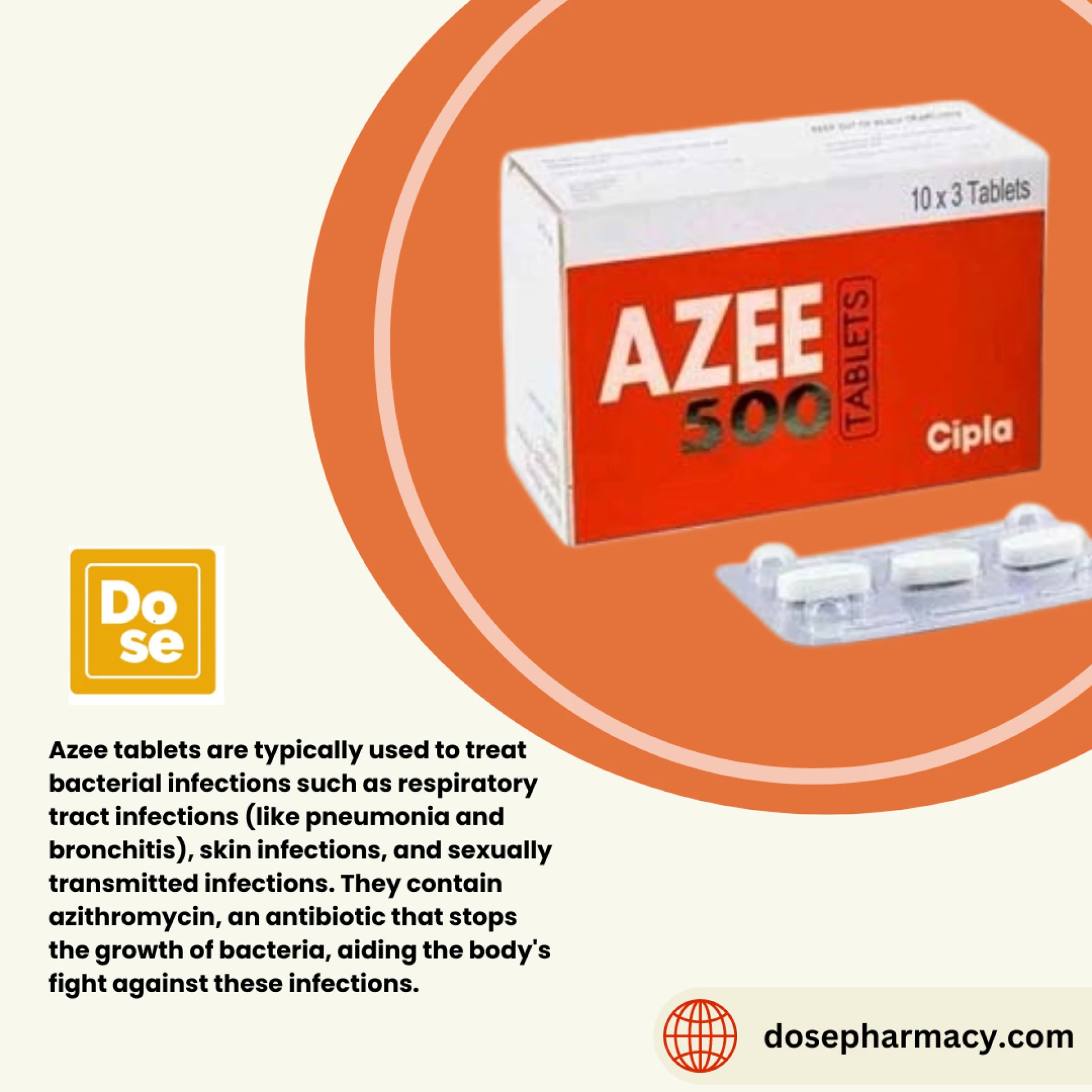
Throat infections are a common health issue affecting people of all ages, especially during seasonal changes. They can be caused by a variety of bacteria and viruses, with symptoms ranging from mild discomfort to severe pain and fever. When a bacterial infection is suspected, doctors often prescribe antibiotics. One commonly prescribed antibiotic is Azithromycin. But how effective is Azithromycin in treating throat infections? Let’s dive deep into its role, benefits, and limitations.
What Is Azithromycin?
Azee 500 is a macrolide antibiotic that works by inhibiting bacterial protein synthesis. It’s known for its broad-spectrum activity, meaning it can target a wide range of bacteria. Marketed under brand names like Zithromax or Azithrocin, it is widely used to treat various infections including:
- Respiratory tract infections
- Skin infections
- Sexually transmitted infections (STIs)
- Ear infections
- Throat infections
Its popularity stems from its convenient once-daily dosing and shorter treatment duration compared to other antibiotics.
Types of Throat Infections
Before understanding whether Azithromycin is effective, it’s important to know the different causes of throat infections:
1. Viral Pharyngitis
- Caused by viruses like adenovirus, influenza, or coronavirus.
- Symptoms include sore throat, cough, and runny nose.
- Antibiotics like Azithromycin are ineffective against viral infections. You can also buy azithromycin online from dosepharmacy.
2. Bacterial Pharyngitis
- Most commonly caused by Group A Streptococcus (GAS) — also known as strep throat.
- Symptoms include severe sore throat, fever, swollen lymph nodes, and white patches on the tonsils.
- This is where antibiotics like Azithromycin can play a role.
When Is Azithromycin Prescribed?
Azithromycin is usually prescribed for bacterial throat infections, especially in patients who:
- Are allergic to penicillin (the first-line treatment for strep throat).
- Have atypical bacterial infections.
- Need a simpler dosing regimen (e.g., a 3- to 5-day course instead of 10 days of penicillin or amoxicillin).
How Effective Is Azithromycin for Strep Throat?
Clinical Evidence:
Several studies have shown that Azithromycin is effective in treating strep throat caused by Streptococcus pyogenes. It can:
- Alleviate symptoms within 48–72 hours.
- Shorten the duration of illness.
- Prevent complications like rheumatic fever or tonsillar abscess.
- Reduce the risk of transmission to others.
Dosing:
A typical adult dose for bacterial throat infection is:
- 500 mg on Day 1, followed by 250 mg once daily for the next 4 days.
- Alternatively, some doctors prescribe:
- 500 mg once daily for 3 days.
Its long half-life allows for shorter treatment durations, improving compliance.
Advantages of Azithromycin
- Short Treatment Duration
- A 3–5 day course is often sufficient, making it easier for patients to complete the therapy.
- Good Tolerability
- It’s generally well-tolerated with fewer gastrointestinal side effects than some other antibiotics.
- Effective in Penicillin-Allergic Patients
- For individuals allergic to penicillin or cephalosporins, Azithromycin is a valuable alternative.
- Broad-Spectrum Coverage
- It can treat other infections concurrently, such as sinusitis or bronchitis, if present.
Limitations of Azithromycin
Despite its advantages, Azithromycin has some limitations:
1. Rising Antibiotic Resistance
- Overuse has led to increased bacterial resistance, especially among streptococcal strains.
- Some regions report up to 20% resistance to Azithromycin in strep bacteria.
2. Not First-Line Therapy
- For strep throat, penicillin or amoxicillin is still the preferred first-line treatment due to better efficacy and lower resistance rates.
3. Ineffective Against Viral Infections
- Most sore throats are viral and don’t require antibiotics. Using Azithromycin in these cases can contribute to resistance and unnecessary side effects.
Possible Side Effects
Although generally safe, Azithromycin can cause:
- Gastrointestinal issues: Nausea, diarrhea, abdominal pain
- Allergic reactions: Rash, itching, swelling
- Liver enzyme elevation: Rare, but possible in long-term use
- Heart-related issues: It may prolong the QT interval, potentially leading to arrhythmias in people with heart conditions
If you experience dizziness, palpitations, or severe allergic symptoms, seek immediate medical attention.
When to See a Doctor
You should consult a doctor if you experience:
- Persistent sore throat lasting more than 3 days
- High fever or chills
- Difficulty swallowing or breathing
- White patches on the tonsils
- Swollen lymph nodes in the neck
Your doctor may perform a rapid strep test or throat culture to determine if your infection is bacterial. If confirmed, Azithromycin may be prescribed, particularly if you’re allergic to first-line antibiotics.
Tips for Taking Azithromycin Safely
- Take with or without food, but food may reduce stomach upset.
- Avoid antacids (containing aluminum or magnesium) within 2 hours of taking the drug.
- Complete the full course, even if symptoms improve early.
- Inform your doctor of any heart conditions or medications that affect heart rhythm.
Alternatives to Azithromycin
If Azithromycin isn’t suitable or effective, other antibiotics may be considered:
- Penicillin V – first-line treatment for strep throat
- Amoxicillin – often used for children
- Cephalexin – for penicillin-allergic patients who can tolerate cephalosporins
- Clindamycin – an option for resistant bacterial infections
Yes — but only in specific cases.
Azithromycin is effective for bacterial throat infections, particularly strep throat in patients allergic to penicillin. It provides quick symptom relief, has a convenient dosing schedule, and is generally well-tolerated.
However, it should not be used for viral infections, which are far more common. Misuse can lead to antibiotic resistance and unnecessary side effects.
If you have a sore throat, consult your healthcare provider to determine whether Azithromycin or any antibiotic is necessary. When used appropriately, it can be a powerful tool in managing throat infections.