In Thailand, where the sun shines bright and the rainy season brings frequent downpours, a well-designed outdoor space is a valuable extension of any home or business. However, without proper protection, these areas can become unusable during the hottest parts of the day or a sudden rain shower. This is where a simple yet powerful solution comes into play: the awning. This versatile structure can transform an exposed patio, balcony, or storefront into a comfortable, stylish, and highly functional space that you can enjoy year-round, regardless of the weather.
An awning is more than just a shade provider; it is a design element that can enhance the aesthetics of a property while offering practical benefits. From a modern retractable system over a cafe's outdoor seating area to a classic fixed awning on a home's balcony, the options for materials, colors, and designs are endless.
1. Creating a Modern, Minimalist Patio
For homeowners in Thailand who favor a clean, contemporary aesthetic, a minimalist approach to an outdoor patio can be stunning. An awning can be integrated seamlessly into this design, providing both function and a sleek look.
Retractable Awnings
A retractable awning is the perfect choice for a modern space. It can be extended with the push of a button to provide shade on a hot afternoon and then retracted to enjoy a clear view of the stars in the evening. This flexibility allows you to control the amount of sun and shade you receive, making your patio a versatile living area. Look for a model with a clean, cassette-style housing that discreetly stores the fabric when not in use, maintaining the minimalist lines of your home.
Color and Material Choices
To complement a minimalist design, opt for a neutral-colored fabric in shades of gray, white, or beige. These colors reflect sunlight and create a cool, airy feel. Materials like high-quality PVC or acrylic fabrics are a great choice as they are durable, easy to clean, and resistant to mold and mildew, which is essential in Thailand's humid climate.
2. Adding a Tropical Touch to Your Balcony
For apartments or condominiums with small balconies, an awning can be a game-changer, transforming the space into a cozy, tropical retreat. This is a great way to make a smaller outdoor area feel more inviting and private.
Fixed Awnings with a Natural Feel
A fixed awning with a natural, bamboo-like or thatched-roof texture can add a charming, rustic touch to a balcony. While a real bamboo roof may be high-maintenance, there are many durable, synthetic materials that mimic its look without the risk of rotting or pest infestation. These awnings can provide a continuous canopy, creating a peaceful and shaded sanctuary for a small table and a few chairs.
Use of Color and Pattern
Don't be afraid to use color to create a tropical vibe. A vibrant green or a pattern featuring palm leaves can evoke a sense of a lush, jungle oasis. Paired with some potted plants and comfortable seating, your balcony can become a private slice of paradise, perfect for a morning coffee or an evening cocktail.
3. Enhancing Curb Appeal for Cafes and Shops
For a business, an awning is a powerful tool for both function and branding. It can make a storefront more inviting and provide a comfortable space for customers to sit outdoors.
Commercial-Grade Retractable Awnings
For a cafe or restaurant with outdoor seating, a large, commercial-grade retractable awning is a must. It provides much-needed shade for customers during the day and can be rolled back to create an open-air atmosphere at night. A motor-driven system is ideal for businesses, allowing for quick and easy adjustment. Many systems also include wind sensors that automatically retract the awning in strong winds, protecting your investment.
Branding and Visual Impact
A business awning is a prime location for branding. You can have your business name or logo printed directly onto the fabric, turning the awning into a large, eye-catching sign. Choosing a color that matches your brand's palette can help to reinforce your identity and make your storefront more memorable to passersby.
4. The Classic Look of a Dome or Canopy Awning
For homes and businesses that want to embrace a timeless, classic aesthetic, a traditional dome or canopy awning is an elegant choice. These designs are particularly well-suited for windows and entrances, adding architectural detail and charm.
Dome Awnings for Windows
A dome-shaped awning over a window not only provides shade but also adds a sophisticated, European feel to a home. They are a great way to reduce the amount of direct sunlight entering a room, which can help to lower cooling costs in a hot climate. The classic, rounded shape is a beautiful accent that adds a sense of permanence and style.
Canopy Awnings for Doors and Walkways
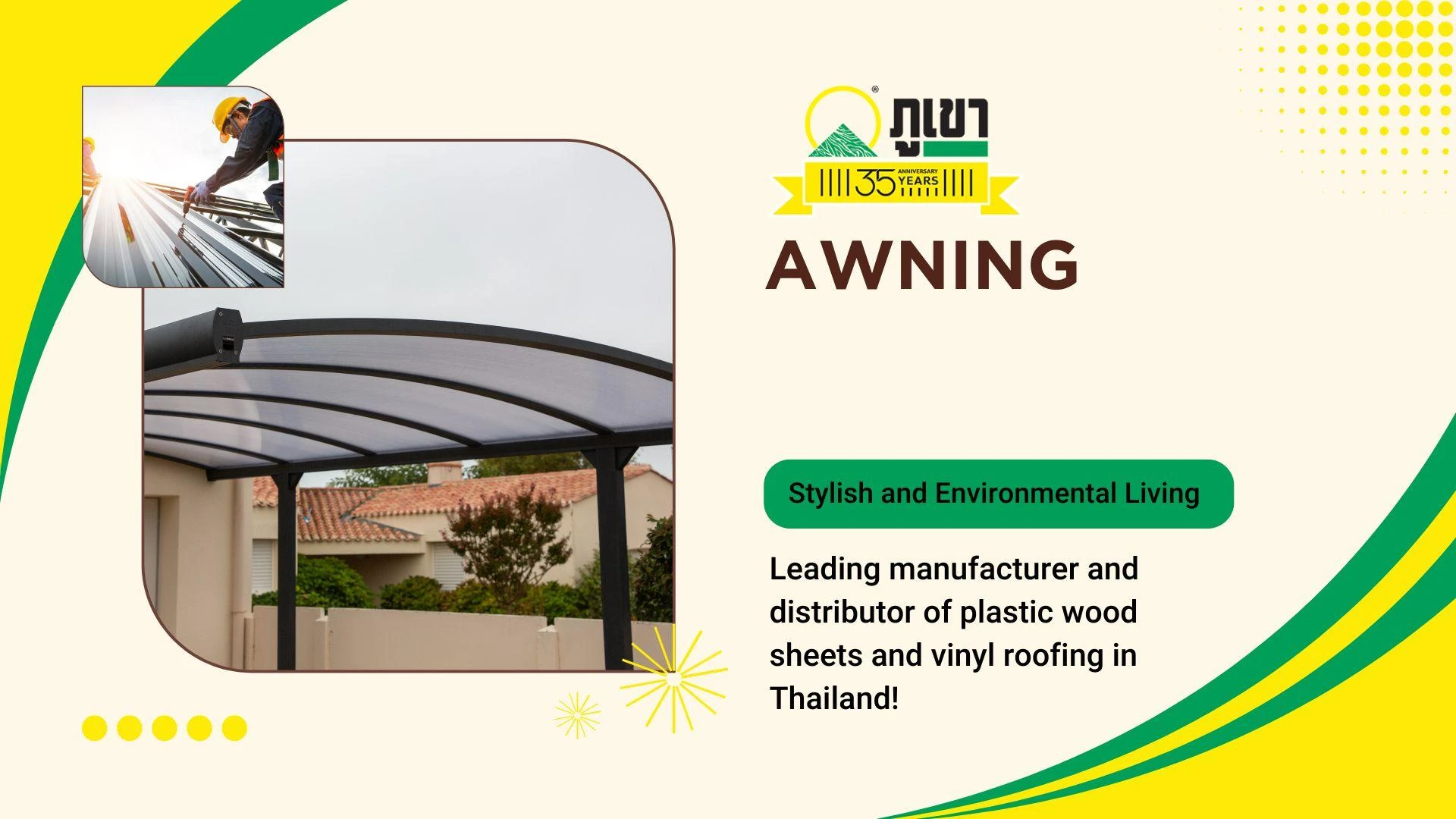
A fixed canopy awning over a front door or a walkway is a practical way to protect people from rain and sun as they enter or exit a building. For a business, it creates a welcoming and professional entrance. These awnings can be constructed from a variety of materials, including aluminum, steel, or a combination of metal frames and a durable fabric, providing a long-lasting and stylish solution.
5. Integrating Awnings with Smart Home Technology 💡
For the ultimate in comfort and convenience, modern awnings can be integrated with your smart home system. This allows you to control your outdoor space with a level of automation that was once unimaginable.
Automated Sun and Rain Sensors
Many high-end awnings can be equipped with sensors that automatically extend or retract the awning based on the weather. A sun sensor will deploy the awning when the sun is at its strongest, while a rain sensor will quickly retract it in a sudden downpour to prevent water from pooling. This means you can leave home with peace of mind, knowing your outdoor furniture and your awning itself are protected.
Voice and App Control
With smart integration, you can control your awning with voice commands through devices like Amazon Alexa or Google Home, or through a smartphone app. You can also set schedules for your awning to extend and retract at specific times, creating a seamless and effortless experience that truly elevates your outdoor living.
Conclusion
An awning is a versatile and valuable addition to any home or business in Thailand. It’s a practical solution that offers protection from the elements, but it is also a powerful design tool that can enhance the aesthetics of a property and extend the usable space of a patio, balcony, or storefront. By choosing the right type, material, and style—whether it's a sleek retractable model for a modern home, a rustic fixed awning for a tropical retreat, or a branded canopy for a business—you can create a comfortable, stylish, and functional outdoor environment that you and your guests can enjoy all year long. It’s an investment in comfort that pays off with every perfect day spent outside.
FAQs
1. How do I choose the right awning size for my space?
To choose the right size, you first need to measure the width and projection (how far out it extends) of the area you want to cover. For a door or window, the awning should be slightly wider than the opening to provide adequate protection. For a patio or balcony, you should choose a size that covers the area where you want to place furniture and will be a main gathering space.
2. How do I maintain an awning in Thailand's climate?
To maintain an awning in Thailand's climate, you should regularly clean the fabric to prevent the buildup of mold, mildew, and dirt. Use a soft brush and mild soap and water, then rinse thoroughly. It's also a good practice to ensure the awning is dry before retracting it to prevent moisture from getting trapped inside.
3. What is the average lifespan of an awning?
The lifespan of an awning depends on its material and quality. A high-quality retractable awning with a durable frame and fabric can last for 10-15 years or even longer with proper care. Fixed awnings made from sturdy materials like metal and treated fabrics can also have a very long lifespan. The main factor is choosing a material that is designed to withstand a tropical climate.
4. Can awnings reduce my home's energy costs?
Yes, awnings can significantly reduce a home's energy costs, especially in a hot climate like Thailand's. By shading windows and glass doors, they can block a substantial amount of solar heat gain from entering your home, which reduces the load on your air conditioning system. This can lead to a noticeable drop in your monthly electricity bills.