
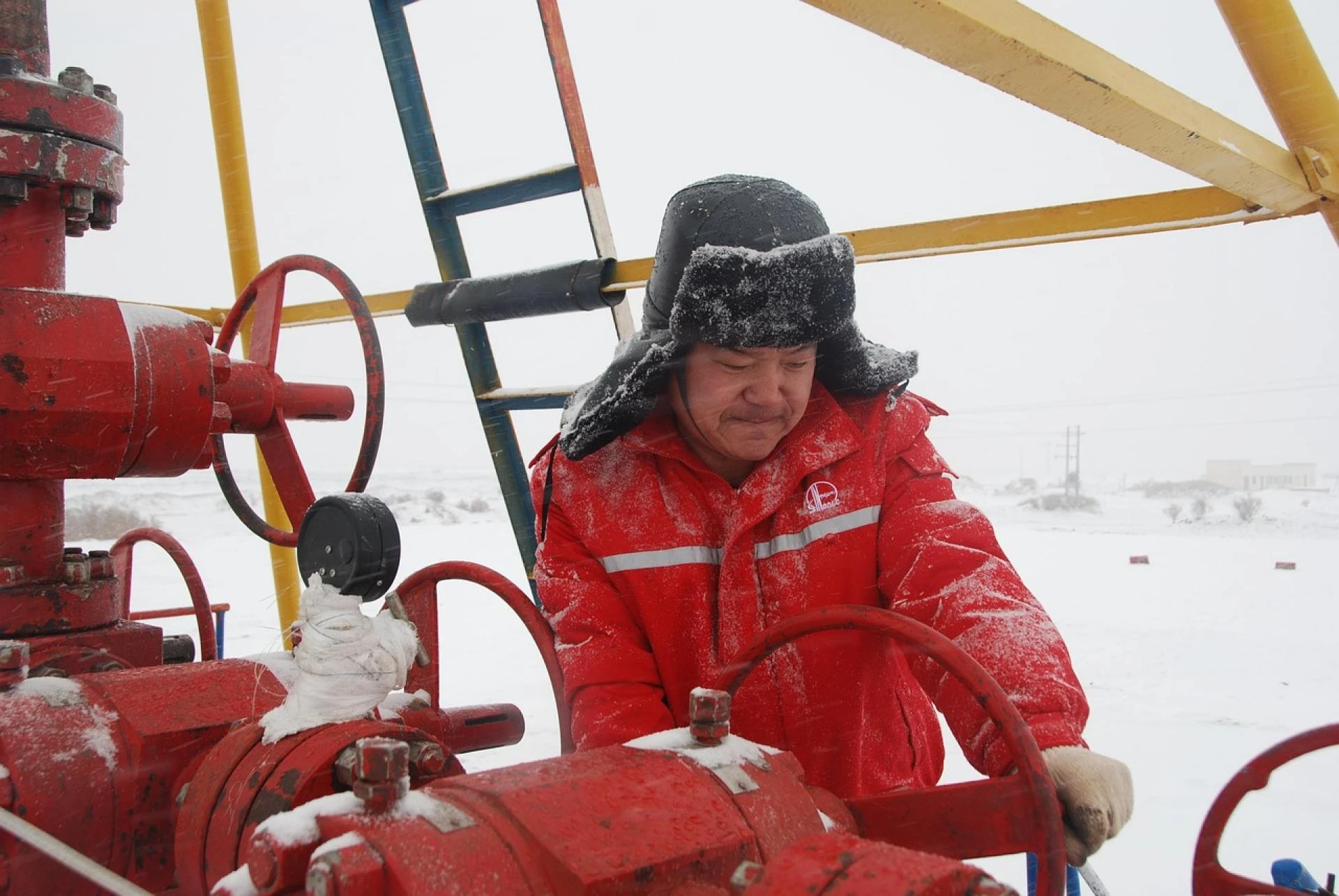
The oil and gas industry is one of the most hazardous sectors in the world. From offshore drilling rigs and refineries to pipelines and processing plants, workers operate in environments where mistakes can lead to serious injuries, environmental disasters, and massive financial losses. As operational complexity increases and safety regulations become more stringent, traditional training methods are no longer sufficient on their own. This is why vr training in oil & gas is rapidly gaining traction as a critical solution for preparing employees to perform safely and effectively in high-risk operations.
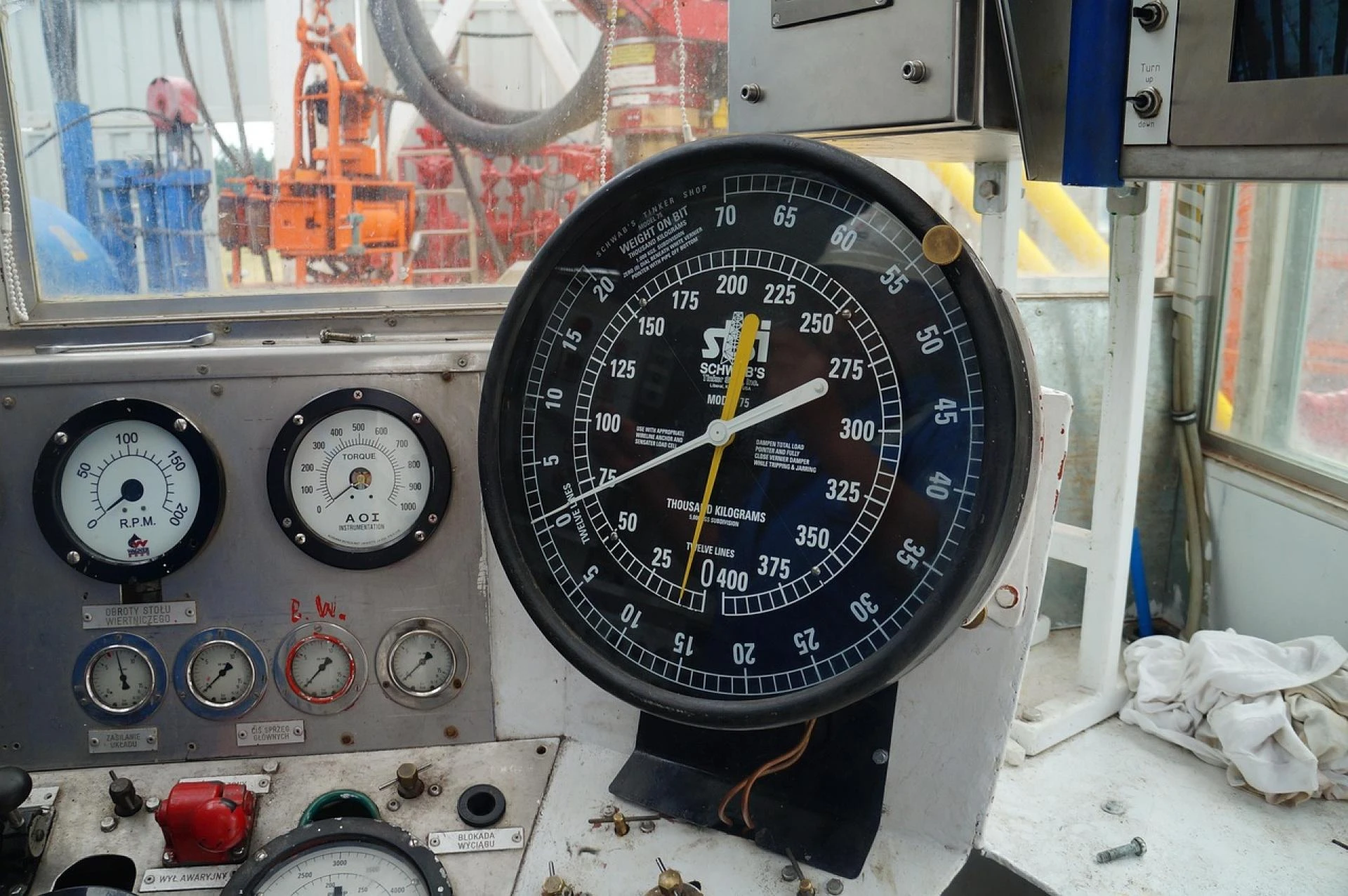
1.The High-Risk Nature of Oil & Gas Operations
Oil and gas operations involve heavy machinery, high-pressure systems, flammable substances, confined spaces, and extreme weather conditions. Employees must follow precise procedures while maintaining constant situational awareness. Even experienced workers can face new risks when equipment, processes, or operating conditions change.
Training in live environments is inherently risky and often limited. Simulating emergencies such as blowouts, gas leaks, fires, or equipment failures in real-world settings is dangerous, costly, and sometimes impossible. As a result, workers may face critical situations without having practiced them realistically.
2.Limitations of Traditional Training Approaches
Traditional oil and gas training typically relies on classroom instruction, safety manuals, videos, and occasional drills. While these methods convey essential information, they often fail to replicate the pressure, complexity, and unpredictability of real operational environments.
Passive learning does not adequately prepare workers to make quick, correct decisions during emergencies. Additionally, on-the-job training can expose both trainees and mentors to unnecessary risks. These limitations have driven companies to seek more immersive and effective training alternatives.
3.Immersive Learning Through Virtual Reality
VR training transforms how oil and gas companies approach workforce development. Using immersive simulations, employees are placed inside realistic virtual environments that replicate rigs, plants, pipelines, and hazardous scenarios.
Instead of being told what to do, trainees actively perform tasks, follow procedures, and respond to incidents in a controlled virtual setting. This experiential learning approach improves understanding, builds confidence, and enhances decision-making skills—critical factors in high-risk operations.
4.Safe Practice for Hazardous Scenarios
One of the strongest reasons oil and gas companies are adopting VR training is the ability to practice dangerous scenarios safely. VR allows workers to experience rare but high-impact events such as explosions, equipment malfunctions, confined space incidents, or emergency evacuations without real-world consequences.
Trainees can make mistakes, see the outcomes, and learn the correct responses without putting lives or assets at risk. This repeated, risk-free practice significantly improves preparedness and reduces panic during real emergencies.
5.Improving Safety Awareness and Hazard Recognition
Many incidents in oil and gas operations occur due to overlooked hazards or complacency. VR training enhances hazard recognition by immersing employees in environments filled with potential risks.
Workers learn to identify unsafe conditions, recognize warning signs, and take preventive actions. Over time, this heightened awareness translates into safer behaviors on the job, helping to reduce incidents and near misses.
6.Strengthening Compliance and Procedural Adherence
Oil and gas operations are governed by strict safety standards, operational procedures, and regulatory requirements. Ensuring consistent compliance across teams and locations is a constant challenge.
VR training embeds procedures directly into realistic workflows. Employees practice following step-by-step protocols under simulated operational pressure, reinforcing correct behavior. This practical application improves procedural adherence and reduces deviations caused by misunderstanding or memory gaps.
7.Standardizing Training Across Global Operations
Many oil and gas companies operate across multiple sites, regions, and countries. Delivering consistent, high-quality training to all employees can be difficult with traditional methods.
VR training standardizes learning by providing the same immersive experience to workers regardless of location. This ensures uniform safety standards, operational practices, and competency levels across the organization, supporting global consistency.
8.Faster Onboarding and Upskilling
The oil and gas industry often faces workforce turnover, project-based staffing, and the need to rapidly deploy skilled workers. Traditional onboarding and upskilling processes can be slow and resource-intensive.
VR training accelerates onboarding by familiarizing new hires with environments, equipment, and procedures before they enter live sites. It also supports continuous upskilling by allowing experienced workers to train on new equipment, technologies, or processes without disrupting operations.
9.Data-Driven Insights for Risk Reduction
Unlike traditional training, VR platforms collect detailed performance data. Organizations can track how workers respond to hazards, how quickly they complete tasks, and where mistakes commonly occur.
These insights allow companies to identify skill gaps, high-risk behaviors, and training deficiencies before they lead to incidents. Targeted retraining and continuous improvement strategies can then be implemented, strengthening overall safety performance.
10.Reducing Operational and Incident Costs
Safety incidents in oil and gas can result in injuries, fatalities, environmental damage, legal liabilities, and costly shutdowns. While VR training requires initial investment, it often delivers substantial long-term savings.
By reducing accidents, improving compliance, and minimizing downtime, VR training helps protect both people and assets. Companies also save on travel, physical training setups, and equipment wear associated with traditional training methods.
11.Adapting to Technological and Operational Change
The oil and gas industry is evolving with digitalization, automation, and advanced monitoring systems. Training must keep pace with these changes.
VR training offers flexibility and scalability. New scenarios can be developed quickly to reflect updated equipment, processes, or safety requirements. This adaptability ensures the workforce remains prepared for emerging risks and technologies.
12.Building a Strong Safety Culture
Beyond procedures and policies, safety is a cultural issue. VR training makes safety education engaging, memorable, and impactful.
When employees experience the consequences of unsafe actions in a virtual environment, the lessons resonate more deeply. Over time, this fosters a proactive safety culture where workers take ownership of risk management and look out for one another.
Conclusion
High-risk operations are an unavoidable reality in the oil and gas industry, making effective training a critical priority. Traditional methods alone can no longer meet the demands of modern, complex, and hazardous environments. By embracing vr training in oil & gas, companies are equipping their workforce with immersive, practical, and data-driven learning experiences that improve safety, compliance, and operational performance. As risks grow and standards rise, VR training is becoming not just an innovation, but a necessity for the future of oil and gas operations.
To explore more about our work and real-time updates, check out AutoVRse on Twitter, Instagram, and LinkedIn.