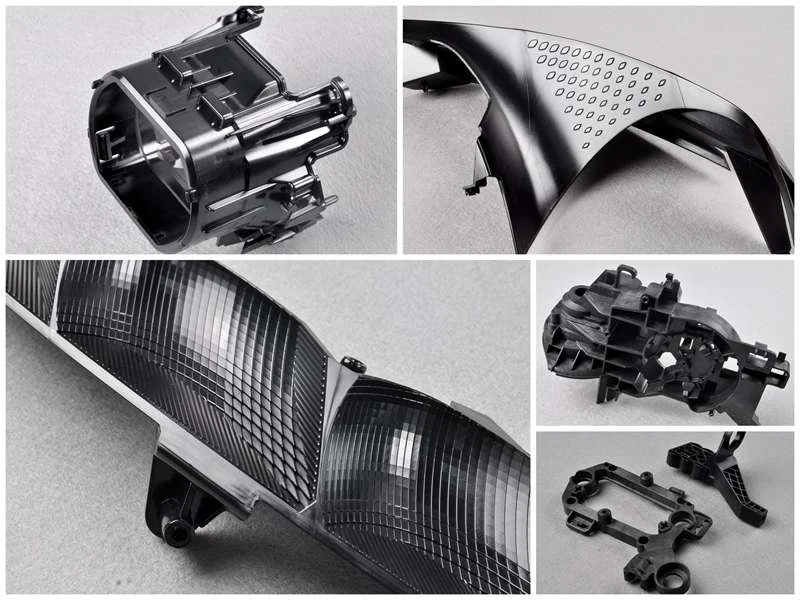
The Automotive Plastics Market is undergoing significant disruption, influenced by the dual forces of electric vehicle (EV) innovation and fast-evolving global regulatory frameworks. These disruptions are reshaping material usage, supply chains, design strategies, and manufacturing norms across the automotive industry.
One of the most pronounced disruptors is the rapid electrification of vehicles. The transition from internal combustion engines (ICEs) to electric drivetrains demands new thermal management systems, battery insulation, and lightweight components to increase energy efficiency and range. Plastics, with their thermal resistance, insulating properties, and moldability, are playing a crucial role in enabling this shift. From battery casings and wiring covers to underbody shielding and powertrain supports, plastics are redefining EV architecture.
Additionally, regulatory shifts around the world are forcing automakers to prioritize recyclable and low-emission materials. Stringent environmental norms like Europe’s Green Deal, China's “dual carbon” goals, and North America's new fuel efficiency standards require manufacturers to drastically reduce emissions not just from fuel consumption, but also from materials and production processes. This has led to a pivot toward sustainable, bio-based, and recycled plastics that meet performance and compliance standards without increasing the vehicle’s carbon footprint.
Global supply chain disruptions, triggered by events such as the COVID-19 pandemic, semiconductor shortages, and geopolitical tensions, have exposed the fragility of traditional sourcing strategies. Automotive OEMs are now reevaluating their material procurement models, opting for regional suppliers and vertically integrated partnerships to ensure resilience. As a result, the plastics market is becoming increasingly localized, which influences pricing, availability, and customization of plastic solutions across regions.
Disruptive technologies are also transforming how automotive plastics are developed and deployed. Additive manufacturing (3D printing), nanocomposite reinforcement, and smart polymer engineering are streamlining the prototyping and production process while enabling new functionality. These technologies allow for the development of lighter, stronger, and multifunctional plastic components that go beyond traditional mechanical applications to include electronic integration, touch sensitivity, and adaptive surface behavior.
Another disruption is the rise of circular economy initiatives. Automakers are collaborating with chemical recycling companies and waste management firms to close the loop on plastic usage. Lifecycle analysis (LCA) and traceability systems are now being embedded into supply chains to meet customer and regulatory expectations. These systems ensure transparency about the origin, composition, and recyclability of plastic components, contributing to brand value and regulatory compliance.
Consumer preferences are also contributing to disruption. Today’s buyers are more informed and environmentally conscious. They seek vehicles that reflect sustainability, innovation, and personalization. Automotive plastics offer the ideal solution with their ability to support lightweighting, premium finishes, customizable interiors, and eco-friendly manufacturing.
However, the market is not without friction. Regulatory uncertainty, especially around plastic bans and waste policies, creates complexity for material developers and OEMs alike. Additionally, infrastructure gaps for plastic waste collection and recycling remain a critical barrier in emerging economies.
To thrive amid these disruptions, industry leaders are embracing agility and strategic reinvention. This includes long-term partnerships with polymer innovators, investment in localized manufacturing, adoption of green chemistry principles, and implementation of AI for design and simulation. These strategic moves help reduce risk, lower cost, and deliver competitive advantages in a rapidly changing landscape.
In conclusion, the Automotive Plastics Market is being disrupted on multiple fronts—technology, regulation, supply chains, and consumer behavior. Companies that view these disruptions as opportunities for innovation and realignment will be best positioned to lead the next phase of automotive evolution.