Market Overview
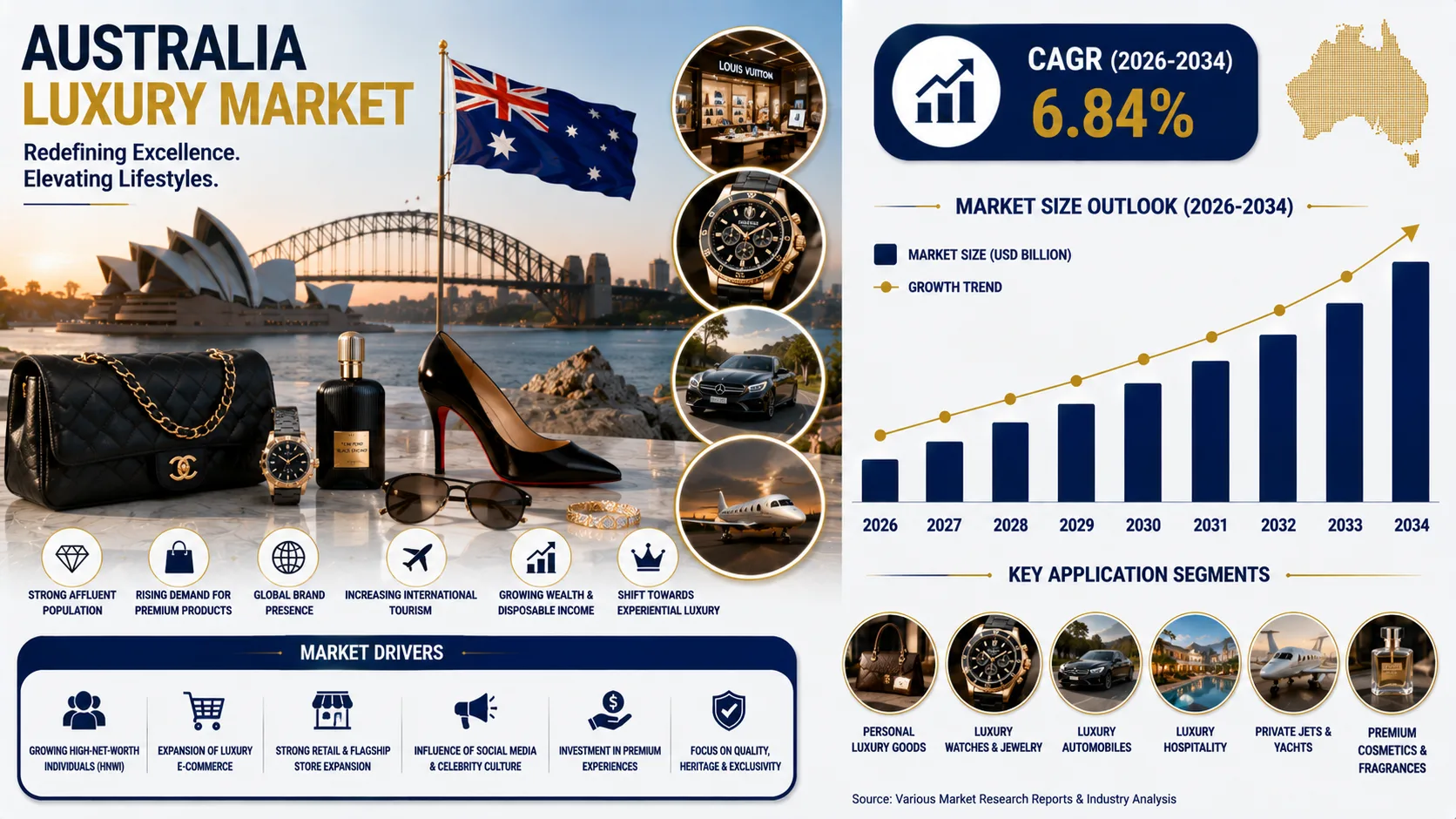
The Australia luxury market size reached USD 8.5 Billion in 2025 and is projected to reach USD 15.5 Billion by 2034, growing at a compound annual growth rate (CAGR) of 6.84% from 2026 to 2034.
The market is driven by a growing high-net-worth population with rising disposable incomes, fueling demand for premium goods and exclusive experiences. Additionally, global luxury trends, influenced by digital media and international travel, shape consumer preferences, driving brand expansion, personalized offerings, and high-end retail growth across various luxury segments are further fueling the Australia luxury market share. The market is strategically important to Australia's economy as it enables the nation to meet evolving consumer aspirations while supporting retail, tourism, hospitality, and real estate sectors.
Request a Sample Report for In-Depth Market Insights: https://www.imarcgroup.com/australia-luxury-market/requestsample
Australia Luxury Market Summary
- The Australia luxury market encompasses a broad range of luxury goods and experiences, including travel and hotel, cars, personal luxury goods, food and drinks, and others.
- These products and experiences are valued for their role in providing exclusivity, quality, and status, and are used across personal and professional applications.
- The ecosystem includes luxury brands, retailers, hospitality operators, real estate developers, technology providers, and affluent consumers.
- Major segments identified in the market include type (travel and hotel, cars, personal luxury goods, food and drinks, others), gender (male, female), distribution channel (monobrand stores, multibrand stores, online stores, others), and region (Australia Capital Territory & New South Wales, Victoria & Tasmania, Queensland, Northern Territory & Southern Australia, Western Australia).
- The market is benefiting from the rise of sustainable luxury, personalization and experiential luxury, and expansion of digital and omnichannel retail.
- Growing affluent consumer base and HNWIs, luxury real estate and interior design demand, and rebound of international tourism and duty-free retail are driving sustained expansion across all application categories.
PORTER'S FIVE FORCES ANALYSIS -- AUSTRALIA LUXURY MARKET
Bargaining Power of Suppliers – Moderate
- The luxury supply chain includes raw material suppliers (leather, precious metals, gems), artisans, and technology providers.
- Large, established luxury brands with strong brand equity have significant bargaining power over smaller suppliers.
- However, the presence of multiple suppliers and the ability of luxury brands to source globally reduces dependency on any single supplier.
- Technology providers offering digital and omnichannel solutions have moderate leverage.
Bargaining Power of Buyers – Moderate
- Buyers in the Australian luxury market include affluent individuals, HNWIs, and international tourists with varying degrees of bargaining power.
- HNWIs and repeat customers have significant bargaining power through personalized services and exclusive access.
- The availability of multiple brands and distribution channels (online, monobrand, multibrand) gives buyers choice and leverage.
- However, brand exclusivity, craftsmanship, and heritage moderate pure price sensitivity.
Threat of New Entrants – Moderate
- The market is influenced by established international luxury brands with strong heritage, brand recognition, and global networks.
- Capital requirements for boutique stores, marketing, and brand building favor established players.
- However, the rise of digital-native luxury brands and direct-to-consumer models is creating new competitive dynamics.
- High operating costs and retail rents in prime locations create barriers for new entrants.
Threat of Substitutes – Low
- Luxury goods face limited substitution from mass-market products, which lack the exclusivity, craftsmanship, and status associated with luxury.
- However, in some categories (e.g., travel, experiences), consumers may choose alternative premium options.
- The increasing focus on sustainable and experiential luxury differentiates luxury from substitutes.
Competitive Rivalry – High
- The Australia luxury market features a competitive landscape of international luxury brands, local designers, and specialized retailers.
- Differentiation occurs through brand heritage, craftsmanship, exclusivity, sustainability credentials, and customer experience.
- Competition is intensifying as brands invest in omnichannel strategies, personalization, and sustainability.
- Strategic partnerships and acquisitions (e.g., La Bottega acquiring Vanity Group) are key competitive dynamics.
MARKET GROWTH DRIVERS
Growing Affluent Consumer Base and HNWIs
The rising number of high-net-worth individuals (HNWIs) and affluent professionals in Australia is a key driver of luxury consumption. Cities like Sydney, Melbourne, and Brisbane have seen increased demand for high-end fashion, fine dining, luxury cars, and bespoke services. Wealth accumulation, coupled with a maturing financial market and rising stock and real estate values, boosts consumer spending power. Additionally, the arrival of wealthy immigrants, particularly from Asia and the Middle East, is diversifying and expanding the customer base for luxury brands across retail, hospitality, and real estate sectors. In 2023, luxury retail trade in Australia reached a record AUD 6.2 billion, indicating a robust market for high-end products.
Luxury Real Estate and Interior Design Demand
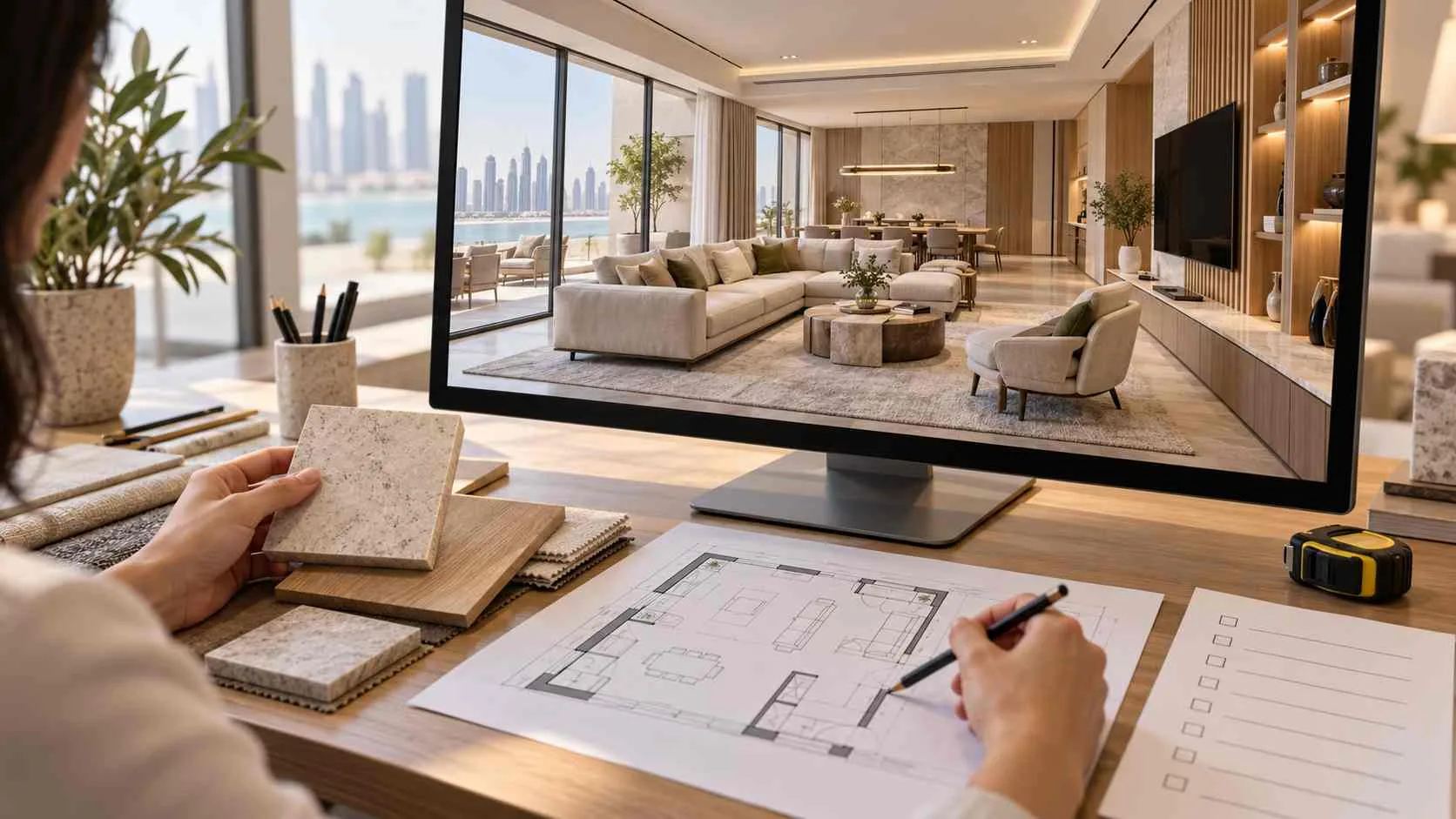
Australia's luxury real estate market, particularly in Sydney's waterfront areas and Melbourne's inner suburbs, continues to thrive. High-end residential projects are incorporating bespoke design, imported furnishings, and smart-home technology, driving demand for luxury interior and lifestyle products. Affluent buyers are increasingly investing in second homes or upgrading to premium properties, spurring sales of high-end appliances, designer furniture, and curated art collections. Luxury brands have capitalized on this trend by entering partnerships with real estate developers and interior designers to integrate their products into model homes and lifestyle spaces, which is boosting the Australia luxury market demand.
Rebound of International Tourism and Duty-Free Retail
With borders reopened post-pandemic, international tourists—especially from China, Southeast Asia, and the Middle East—are returning to Australia. These visitors are major contributors to luxury spending, often purchasing premium goods in city boutiques and airports. Luxury brands in locations like Sydney's CBD and Gold Coast benefit from duty-free shopping and tailored services for high-spending tourists. Additionally, cultural attractions and events draw affluent global travelers, increasing traffic to luxury retail hubs. This tourism-driven boost enhances demand for high-end fashion, accessories, fine wine, and luxury experiences, particularly during peak travel seasons.
AUSTRALIA LUXURY MARKET SEGMENTATION
Type Insights:
- Travel and Hotel
- Cars
- Personal Luxury Goods
- Food and Drinks
- Others
Gender Insights:
- Male
- Female
Distribution Channel Insights:
- Monobrand Stores
- Multibrand Stores
- Online Stores
- Others
Regional Insights:
- Australia Capital Territory & New South Wales
- Victoria & Tasmania
- Queensland
- Northern Territory & Southern Australia
- Western Australia
COMPETITIVE LANDSCAPE
The Australia luxury market features a competitive landscape of international luxury brands, local designers, and specialized retailers. Leading players differentiate through brand heritage, craftsmanship, exclusivity, sustainability credentials, and customer experience. The market is dynamic, with competition intensifying as brands invest in omnichannel strategies, personalization, and sustainability. Strategic partnerships and acquisitions are key competitive dynamics.
Key players mentioned in the report context include:
- Ark Capital Partners
- Lead Global
- Pioneer Wealth
- La Bottega
- Vanity Group
- Luxury Escapes
Ark Capital Partners, along with Lead Global and support from Pioneer Wealth, successfully acquired Melbourne Place Hotel in January 2025, marking the beginning of a new co-branded hotel fund and signaling a strategic partnership within the hospitality sector.
La Bottega acquired a majority stake in Vanity Group in April 2024, a leader in designer hotel guest amenities, marking a major milestone in the luxury hospitality industry. The acquisition brings together two industry giants with a shared vision of innovation and luxury.
Luxury Escapes launched its Luxury Escapes Agent Hub in March 2024, a platform designed to help Australian travel agents access exclusive travel deals and streamline booking processes, with significant interest from over 2,000 agents.
REGIONAL ANALYSIS
Australia Capital Territory & New South Wales: This region features the largest luxury market in Australia, driven by Sydney's status as a global city, high concentration of HNWIs, and strong tourism. Sydney's CBD and Pitt Street are prime luxury retail hubs. Canberra's government and diplomatic presence also supports demand for premium goods and experiences. The region's focus on cultural events, fine dining, and luxury real estate drives market growth.
Victoria & Tasmania: Victoria's luxury market, anchored by Melbourne, is driven by a strong café culture, fashion, arts, and high-end retail. Melbourne's Collins Street is a premier luxury shopping destination. Tasmania's growing luxury tourism sector, including premium food and wine experiences and eco-luxury accommodation, is expanding the market. Both regions benefit from strong cultural and lifestyle events.
Queensland: Queensland's luxury market is marked by strong tourism, particularly in the Gold Coast and Brisbane, and growing affluent populations. The region's focus on luxury resorts, fine dining, and duty-free shopping supports demand. The Gold Coast's lifestyle appeal and Brisbane's growing business sector create opportunities for luxury brands. Government investments in tourism infrastructure support market growth.
Northern Territory & Southern Australia: These regions prioritize luxury tourism and premium experiences. South Australia's premium food and wine regions (Barossa Valley) and Adelaide's growing cultural scene support luxury demand. The Northern Territory's remote luxury lodges and eco-tourism experiences attract high-spending visitors. Government programs and partnerships with luxury operators play a critical role.
Western Australia: Western Australia's luxury market grows alongside its resource wealth and economic development. Perth's strong economy and high-income population drive demand for luxury goods and experiences. The state's focus on premium wine regions (Margaret River), luxury tourism, and exclusive events supports market growth. Investments in infrastructure and tourism are driving expansion.
RECENT INDUSTRY DEVELOPMENTS
June 2026: Australia's luxury market continued expanding as demand for luxury fashion, jewellery, premium automobiles, luxury travel, and high-end hospitality remained strong. Rising spending by high-net-worth individuals and affluent international visitors continued supporting premium retail growth.
May 2026: Luxury brands accelerated investments in AI-powered personalization, omnichannel retail, private client services, and exclusive in-store experiences to enhance customer engagement and strengthen premium brand positioning.
March 2026: Luxury fashion and accessories remained the largest product segment, while premium beauty, fine jewellery, luxury watches, and experiential luxury recorded strong growth as consumers increasingly prioritized quality, exclusivity, and personalized experiences.
February 2026: Luxury retailers continued expanding digital commerce through virtual consultations, AI-driven recommendations, appointment shopping, and seamless omnichannel services, improving customer engagement across online and physical stores.
January 2026: Sydney and Melbourne remained Australia's leading luxury retail destinations, supported by premium shopping precincts, international tourism, and increasing demand for luxury hospitality, designer fashion, fine dining, and exclusive lifestyle experiences.
January 2026: Premium fashion, jewellery, watches, cosmetics, luxury automobiles, and high-end travel remained the major market categories, while sustainability, limited-edition collections, and bespoke luxury services continued shaping consumer purchasing decisions.
January 2026: Continued investment in AI-powered retail, digital luxury platforms, sustainable luxury products, and experiential shopping is expected to support the long-term growth of Australia's luxury market, strengthening brand loyalty and premium consumer spending.
Note: If you need any specific information that is not covered currently within the scope of the report, we will provide the same as a part of customization.
Speak to an analyst: https://www.imarcgroup.com/request?type=report&id=28626&flag=C
Report Format, Delivery, and Customization Details
- Report Format Mode: PPT, PDF, and Excel
- Report Delivery Mode: Online Delivery, Physical Delivery
- Report Delivery Time: Report delivered over email within 24 to 48 hours. If requested by the client, a physical copy will be delivered within three to ten days.
- Report Confirmation Mode: Yes via Email
- Report Customization Mode: Yes via Email / Call
- Report Table of Content: Yes
- Report List of Figures: Yes
- Report Methodology Mode: Yes
- Request For Sample Report: Yes
About Us
IMARC Group is a global management consulting firm that helps the world's most ambitious changemakers to create a lasting impact. The company provides a comprehensive suite of market entry and expansion services. IMARC offerings include thorough market assessment, feasibility studies, company incorporation assistance, factory setup support, regulatory approvals and licensing navigation, branding, marketing and sales strategies, competitive landscape and benchmarking analyses, pricing and cost research, and procurement research.
Contact Us
IMARC Group
134 N 4th St., Brooklyn, NY 11249, USA
Email: [email protected]
Tel No: (D) +91 120 433 0800
United States: +1-201-971-6302