
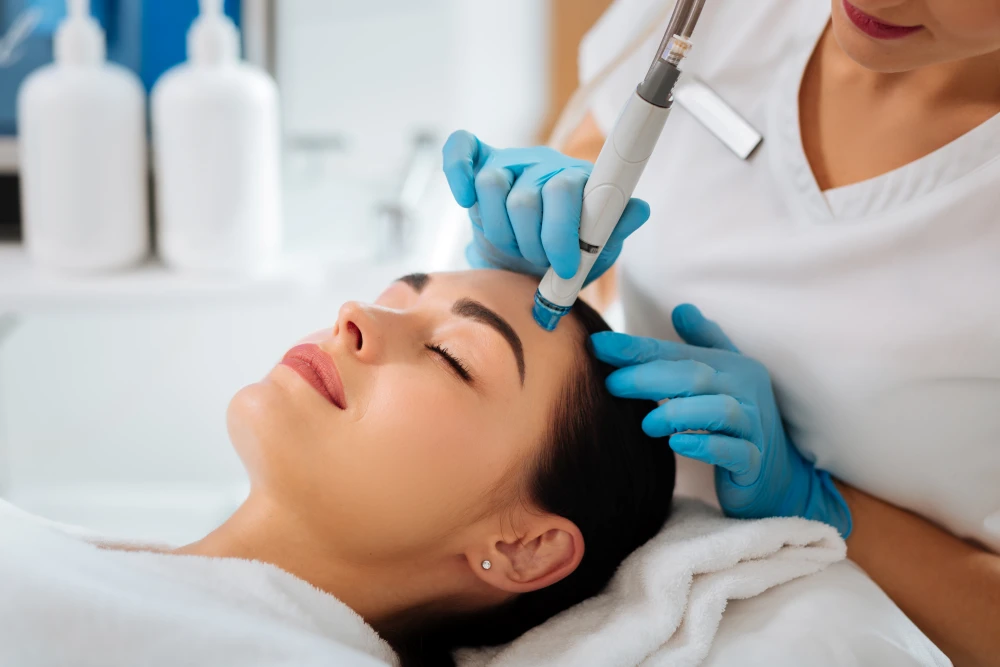
Maintaining healthy skin is an essential aspect of overall wellness, and knowing when to seek professional dermatological care can significantly impact your skin’s health and appearance. Many individuals wonder about the optimal age to consult a dermatologist, especially when faced with persistent skin concerns or the desire to prevent future issues. This article provides comprehensive guidance on the appropriate times to see a Dermatologist Abu Dhabi, emphasizing the importance of early intervention and regular skin assessments for all age groups.
Understanding the Role of a Dermatologist
What Does a Dermatologist Do?
A dermatologist specializes in diagnosing and treating a wide range of skin conditions, including acne, eczema, psoriasis, skin infections, and skin cancers. They also offer expert advice on skin care routines, preventative measures, and cosmetic procedures. Visiting a dermatologist ensures that skin issues are accurately diagnosed and properly managed, promoting healthier skin and early detection of potential concerns.
Why Regular Skin Check-Ups Are Important
Regular visits to a dermatologist can help identify early signs of skin problems before they become severe. Routine skin assessments are particularly beneficial for individuals with a family history of skin cancer, those with specific skin conditions, or anyone keen on maintaining youthful, healthy skin. Early detection through professional examinations can significantly improve treatment outcomes and skin health.
The Right Age to Start Seeing a Dermatologist
Childhood and Adolescence: Early Skin Care and Prevention
Children and teenagers should begin seeing a dermatologist if they experience persistent skin conditions such as severe acne, eczema, or unusual rashes. Early intervention can prevent scarring and improve skin health during formative years. Teenagers, in particular, are prone to acne outbreaks; consulting a dermatologist can help manage these effectively and establish good skincare habits early.
Young Adults: Addressing Common Skin Concerns
Young adults often encounter skin issues related to hormonal changes, lifestyle, and environmental factors. Conditions like acne, pigmentation, and hair loss commonly emerge during these years. Visiting a dermatologist can provide tailored treatment plans, guidance on skincare routines, and preventive measures to maintain clear, healthy skin.
Middle Age: Monitoring for Signs of Skin Aging and Disease
As individuals enter middle age, the focus shifts toward managing the effects of aging, such as wrinkles, age spots, and skin laxity. Moreover, this is a critical period for skin cancer screening, especially for those with significant sun exposure or family history. Regular dermatological visits can help monitor skin changes, recommend anti-aging treatments, and catch early signs of skin malignancies.
Senior Years: Ensuring Skin Integrity and Managing Chronic Conditions
Older adults should maintain regular skin assessments to address age-related skin changes, including thinning skin, dryness, and increased susceptibility to infections. Dermatologists can recommend appropriate treatments to improve skin comfort and prevent complications. Additionally, routine checks for skin cancer are vital, given the increased risk with age.
Specific Skin Concerns That Warrant Immediate Consultation
Unusual Moles and Skin Growths
Any new, changing, or unusual moles and growths should be examined by a dermatologist promptly. Early detection of suspicious moles can be crucial for skin cancer prevention.
Persistent or Severe Skin Conditions
Conditions such as eczema, psoriasis, or dermatitis that do not respond to over-the-counter treatments require professional evaluation and management to prevent worsening and improve quality of life.
Skin Infections and Rashes
Unexplained rashes, infections, or skin inflammations that persist or worsen over time should be assessed by a specialist to determine the underlying cause and appropriate treatment.
Cosmetic Concerns and Skin Rejuvenation
Many individuals seek dermatological advice for cosmetic reasons, including acne scars, wrinkles, pigmentation, or skin tightening. Professional procedures can help achieve desired aesthetic outcomes safely and effectively.
How to Prepare for Your Dermatologist Visit
Gathering Relevant Medical History
Before your appointment, compile a list of your skin concerns, previous skin conditions, allergies, medications, and family history related to skin health. This information helps the dermatologist make an accurate diagnosis.
Noting Skin Changes and Symptoms
Keep track of any recent skin changes, including new growths, color alterations, or symptoms like itching and pain. Documenting these details can assist in identifying patterns or triggers.
Bringing Visual Evidence
Photographs of specific skin issues over time can be valuable for monitoring progress and assessing treatment effectiveness.
The Benefits of Early Dermatological Intervention
Preventing Serious Skin Conditions
Early consultation allows for the prompt identification and management of potentially serious conditions, including skin cancers and autoimmune skin diseases.
Enhancing Skin Appearance and Confidence
Addressing cosmetic concerns early can improve skin appearance, boost confidence, and promote overall well-being.
Tailored Skin Care and Treatment Plans
A dermatologist provides personalized advice and treatments based on individual skin types, concerns, and lifestyle factors, leading to more effective outcomes.
Choosing the Right Dermatologist
Credentials and Experience
Select a dermatologist with reputable credentials, extensive experience, and specialization in areas relevant to your skin concerns.
Patient-Centered Approach
Opt for healthcare providers who prioritize patient education, clear communication, and personalized care plans.
Accessibility and Follow-Up Care
Consider the availability of follow-up appointments and the clinic’s location to ensure consistent and comprehensive skin care management.
Enfied Royal Clinic Abu Dhabi: A Trusted Choice
For residents seeking expert dermatological care, Enfied Royal Clinic Abu Dhabi offers comprehensive skin health services delivered by experienced professionals. Their multidisciplinary approach ensures personalized treatment plans tailored to individual needs, promoting optimal skin health at every age.
FAQs About When to See a Dermatologist
1. At what age should I start seeing a dermatologist?
While there is no specific age, it is advisable to begin routine skin assessments during childhood or adolescence if there are persistent skin issues. Regular check-ups become increasingly important during adulthood and older age for preventive care and early detection of skin concerns.
2. How often should I visit a dermatologist?
The frequency of visits depends on individual skin health, existing conditions, and risk factors. Generally, annual visits are recommended for routine skin checks, with more frequent visits if you have ongoing skin issues or a history of skin cancer.
3. What are the signs indicating I need an urgent dermatology appointment?
Signs such as rapidly changing moles, persistent rashes, severe skin infections, or sudden hair loss warrant prompt consultation with a dermatologist to determine the underlying cause and initiate appropriate treatment.
4. Can dermatologists help with cosmetic skin concerns?
Yes, dermatologists are skilled in various cosmetic procedures, including treatments for acne scars, pigmentation, wrinkles, and skin tightening, helping improve skin appearance safely and effectively.
In conclusion, recognizing the appropriate age and circumstances to see a dermatologist is vital for maintaining healthy skin and preventing serious conditions. Regular visits, early intervention, and personalized care can significantly enhance skin health and overall well-being.