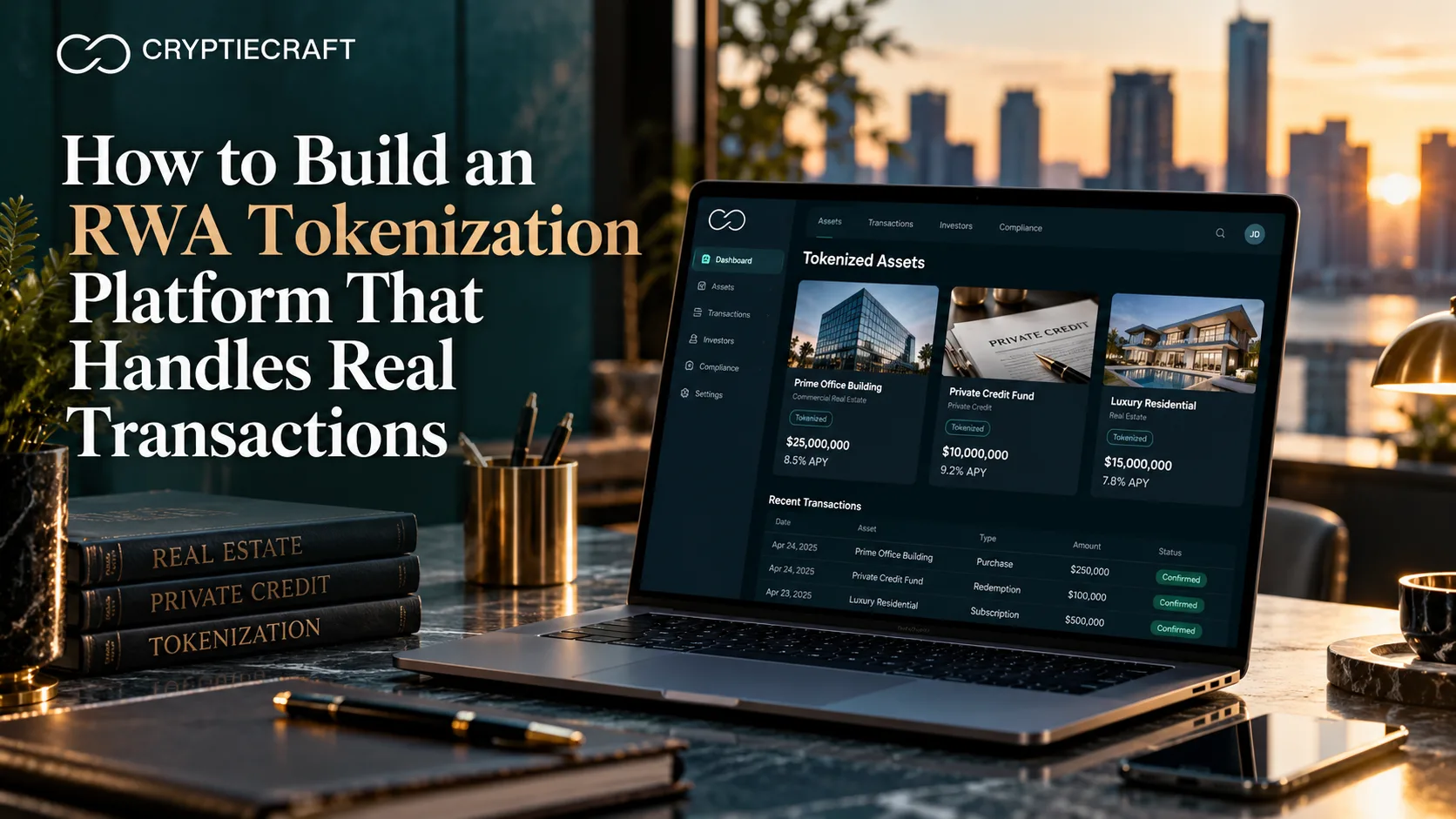
The financial world in 2026 is steadily moving toward digitized ownership models, where physical and financial assets are represented on blockchain networks. This shift has brought Asset Tokenization Platform Development into sharp focus for investors looking to diversify, access new markets, and improve liquidity. While the concept is no longer new, the way platforms are designed, deployed, and managed has evolved significantly.
Investors are no longer passive participants. They now seek deeper involvement in how tokenized ecosystems function, how risks are handled, and how returns are structured. Understanding the technical and strategic side of Tokenization Platform Development is becoming just as important as evaluating the assets themselves.
This blog explains the lesser-known aspects of tokenization platforms that investors should understand before entering this space in 2026.
Understanding the Foundation of Asset Tokenization
Asset tokenization refers to converting ownership rights of real-world or financial assets into digital tokens stored on a blockchain. These assets can include real estate, equities, commodities, art, or even intellectual property.
The success of any tokenized investment depends heavily on how the platform is designed. A well-structured Tokenized asset platform development approach considers legal compliance, asset valuation, token standards, and investor access mechanisms.
For investors, this means evaluating not just the asset but also the infrastructure behind it. Poor platform design can lead to liquidity issues, regulatory complications, or limited exit options.
Method: Evaluate the Asset-Platform Relationship
One of the most overlooked aspects is how closely the platform reflects the real-world value and legal status of the asset.
Investors should assess whether the Asset Tokenization Platform Development process includes:
- Verified asset ownership and documentation
- Legal structuring aligned with jurisdictional rules
- Smart contracts that clearly define ownership rights
- Mechanisms for dispute resolution
A reliable Asset tokenization development company will always connect the digital token to enforceable legal rights. Without this, tokens may have little real-world value.
Token Standards and Their Impact on Investment
Token standards define how tokens behave on a blockchain. In 2026, multiple standards exist, each suited for different asset types.
For example:
- Fungible tokens for divisible assets like shares
- Non-fungible tokens for unique assets like art
- Hybrid tokens for assets requiring both features
From an investor’s perspective, the token standard affects liquidity, transferability, and compliance. Tokenization Platform Development Services that use outdated or incompatible standards may limit trading opportunities.
Method: Assess Liquidity Mechanisms
Liquidity remains one of the main reasons investors turn to tokenized assets. However, not all platforms provide the same level of liquidity.
When reviewing a platform, investors should look for:
- Secondary marketplace integration
- Cross-platform trading capabilities
- Fractional ownership features
- Automated market-making systems
Tokenized asset platform development that includes strong liquidity features allows investors to enter and exit positions more easily, reducing long holding periods.
Regulatory Structure and Jurisdictional Alignment
In 2026, regulations around tokenized assets differ widely across countries. Some regions have well-defined frameworks, while others are still evolving.
A credible Asset Tokenization Platform Development Company will structure offerings in compliance with specific jurisdictions. This includes:
- KYC and AML procedures
- Investor accreditation requirements
- Tax implications
- Reporting standards
Investors must understand where the platform operates legally and how that affects their ownership rights. Ignoring regulatory alignment can result in restricted access or legal complications.
Method: Analyze Smart Contract Integrity
Smart contracts are the backbone of tokenized platforms. They manage ownership, transactions, and revenue distribution.
Before investing, it is important to verify:
- Whether contracts are audited by third parties
- How frequently updates are made
- If there is a mechanism for upgrades
- How vulnerabilities are handled
Asset tokenization development services that include regular audits and transparent reporting reduce technical risks for investors.
Revenue Models in Tokenized Assets
Different tokenized assets generate returns in different ways. These may include rental income, dividends, profit-sharing, or appreciation.
Investors should carefully review how revenue is distributed through the platform. Tokenization Platform Development often integrates automated payout systems, but the structure behind these payouts matters.
Key considerations include:
- Frequency of payouts
- Fees deducted by the platform
- Currency used for distribution
- Tax implications on earnings
Understanding these factors helps investors calculate real returns rather than projected ones.
Method: Examine Platform Fees and Cost Structures
Hidden fees can significantly impact returns in tokenized investments. While platforms advertise low entry barriers, the actual cost structure may include:
- Token issuance fees
- Transaction fees
- Platform maintenance charges
- Exit or withdrawal fees
A trustworthy Asset Tokenization Platform Development Company provides a clear breakdown of all costs involved. Investors should compare multiple platforms before committing funds.
Security Architecture and Risk Management
Security remains a critical factor in Tokenization Platform Development. With increasing participation, platforms have become targets for cyber threats.
Investors should review:
- Wallet security measures
- Multi-signature transaction systems
- Data encryption standards
- Incident response strategies
Asset tokenization development company practices that prioritize security help protect both assets and investor data.
Method: Verify Custody Solutions
Custody refers to how assets and tokens are stored and protected. There are two main types:
- Self-custody, where investors control their private keys
- Custodial services, where the platform manages storage
Each approach has its pros and risks. Tokenization Platform Development Services often provide hybrid models to balance control and convenience.
Investors must choose platforms that align with their risk tolerance and technical comfort.
Interoperability and Ecosystem Compatibility
In 2026, tokenized platforms do not operate in isolation. Interoperability allows tokens to move across different blockchain networks and financial systems.
Tokenized asset platform development that supports interoperability offers:
- Access to broader markets
- Increased liquidity options
- Integration with decentralized finance systems
Investors benefit from platforms that are not restricted to a single ecosystem.
Method: Study Market Demand for the Tokenized Asset
Even with a well-developed platform, the value of a token depends on market demand.
Investors should analyze:
- Demand trends for the underlying asset
- Historical performance data
- Market accessibility
- Investor sentiment
Asset tokenization development services often include market research, but independent verification adds another layer of confidence.
Governance and Decision-Making Models
Some tokenized platforms include governance features where token holders can vote on decisions related to the asset or platform.
This may involve:
- Asset management decisions
- Platform upgrades
- Fee adjustments
While governance can provide more control, it also requires active participation. Investors should understand how much influence they have and how decisions are implemented.
Method: Evaluate Exit Strategies
A clear exit strategy is crucial in any investment. Tokenized assets offer multiple exit routes, but not all are equally accessible.
Investors should check:
- Availability of secondary markets
- Lock-in periods
- Redemption options
- Buyback mechanisms
Tokenization Platform Development that includes flexible exit options allows investors to manage risk more effectively.
Role of Data and Analytics in Investment Decisions
Modern platforms provide detailed analytics to help investors track performance. These tools may include:
- Real-time asset valuation
- Transaction history
- Portfolio performance metrics
Asset Tokenization Platform Development in 2026 increasingly incorporates data-driven insights, allowing investors to make informed decisions rather than relying on assumptions.
Method: Choose the Right Development Partner
Behind every successful platform is a capable development team. Investors should pay attention to the Asset tokenization development company responsible for building and maintaining the platform.
Factors to consider include:
- Experience in blockchain development
- Previous projects and case studies
- Compliance expertise
- Ongoing support and maintenance
A reliable Asset Tokenization Platform Development Company ensures that the platform remains functional, secure, and aligned with market changes.
Future Outlook for Tokenized Investments
The tokenization market continues to grow as more asset classes enter the ecosystem. Institutional participation is increasing, and regulatory clarity is improving in several regions.
Tokenization Platform Development Services are becoming more sophisticated, focusing on usability, compliance, and investor engagement. As the ecosystem matures, investors who understand the technical and strategic aspects will be better positioned to benefit.
Conclusion
Asset tokenization is no longer just a concept discussed in niche circles. It has become a practical investment avenue with real-world applications. However, success in this space requires more than selecting the right asset.
Investors must evaluate the entire ecosystem, including platform design, regulatory alignment, liquidity mechanisms, and security measures. Asset tokenization development services play a significant role in shaping these factors, making it important to assess the development approach behind any platform.
By understanding these underlying aspects, investors can make informed decisions and reduce potential risks. In 2026, knowledge of Tokenization Platform Development is not optional for those looking to participate in tokenized markets.