Choosing a wedding outfit is one of the most exciting parts of getting married, but it can also become one of the hardest decisions to make. With so many colours, fabrics, silhouettes and embroidery styles available, finding the right outfit can feel overwhelming.
For South Asian brides in the UK, there is another layer to consider. Your wedding outfit may need to reflect family traditions and cultural expectations while still matching your personal taste.
You may love the timeless appeal of a traditional lehenga but prefer a more contemporary cut. Or perhaps you want to combine South Asian craftsmanship with a modern bridal gown.
The good news is that you do not have to choose between traditional and contemporary fashion. The right bridal style can bring both together.
Think About Your Wedding Before Choosing Your Dress
The first question to ask is not "Which dress do I like?" but "Where and when will I wear it?"
South Asian weddings can include several celebrations, from the engagement and mehndi to the main ceremony and reception. Each event can have a different atmosphere, which means your outfit does not necessarily have to follow the same style throughout.
For example, a heavily embroidered lehenga could be perfect for the main ceremony, while a lighter outfit may be more comfortable for a pre-wedding celebration.
A civil ceremony may call for a more understated gown or contemporary dress, while the reception gives you an opportunity to experiment with another colour or silhouette.
Before choosing your outfit, consider:
- The type of ceremony
- The venue
- The time of year
- How formal the event will be
- How long you will be wearing the outfit
- Whether you plan to have more than one bridal look
Starting with the occasion makes the rest of the decision much easier.
Decide How Traditional You Want to Be
There is no single way to look like a South Asian bride.
Some brides prefer traditional bridalwear with rich colours, detailed embroidery and statement jewellery. Others feel more comfortable in a simpler, contemporary outfit. Many brides combine both approaches.
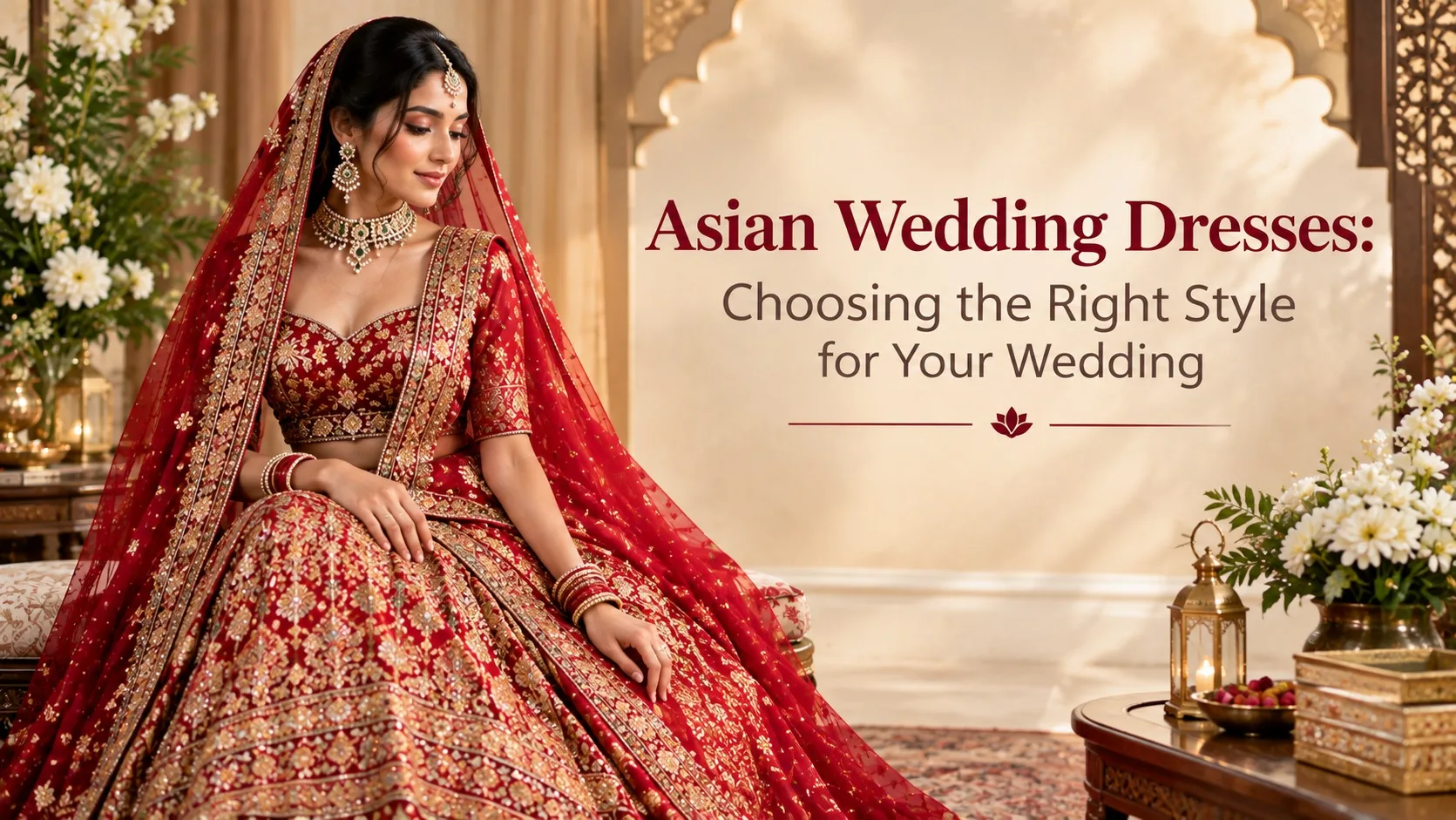
A traditional bridal look could include a full lehenga, detailed zari or zardozi work, a statement dupatta and traditional jewellery.
A contemporary interpretation might feature a cleaner silhouette, softer embroidery, an unusual colour or a modern blouse design.
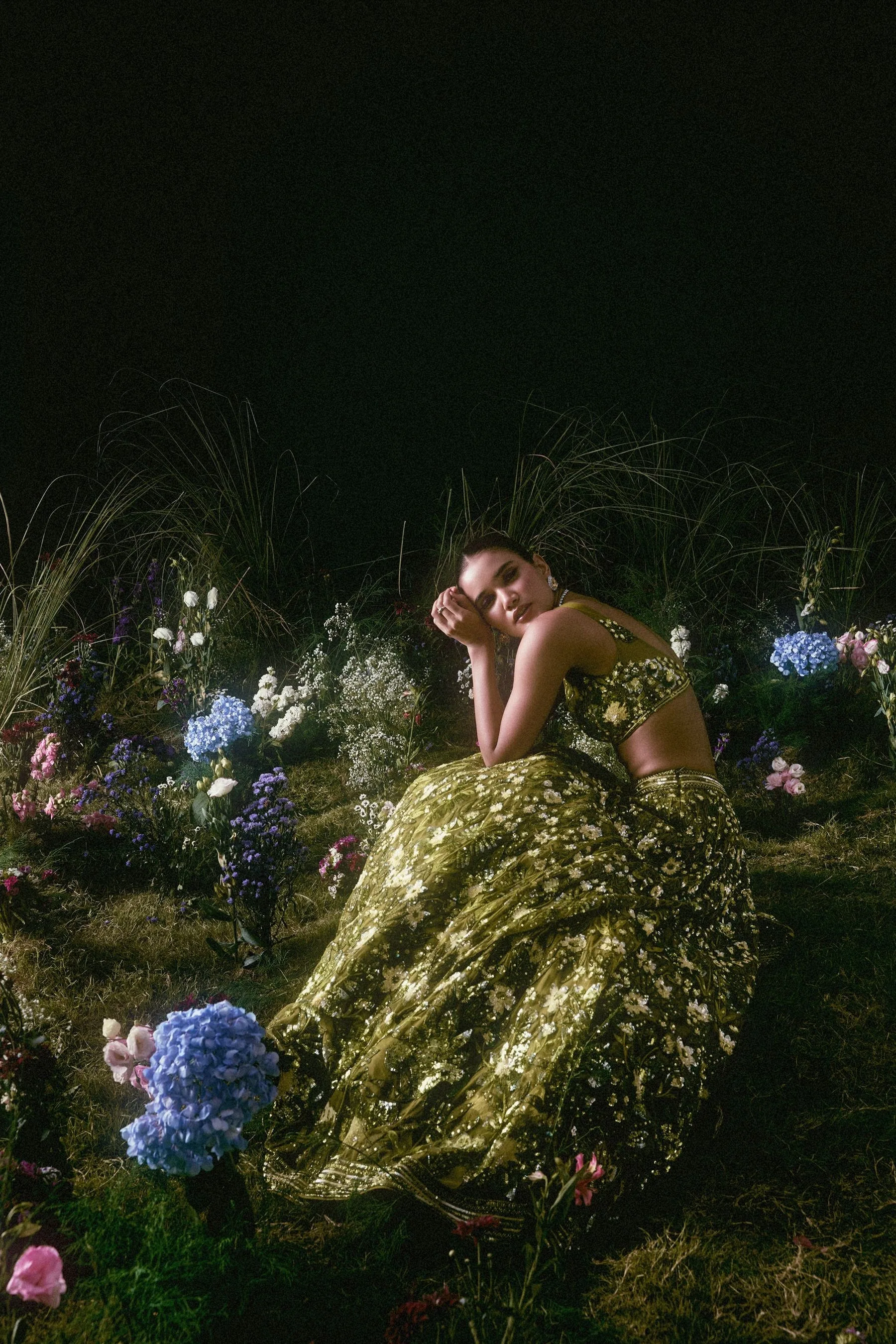
You could also combine the two. A traditional lehenga with a contemporary blouse, for instance, can give you the heritage-inspired look you want without feeling overly traditional.
This balance is becoming increasingly popular as brides look for wedding outfits that feel connected to their culture while also reflecting their individual personality.
Choose a Colour That Reflects Your Personality
Colour plays a major role in bridalwear. While traditional colours remain popular, today's brides have much more freedom when choosing their palette.
Is a Red Indian Wedding Dress Right for You?
A red Indian wedding dress remains a classic choice for many brides. Red has a strong connection with South Asian weddings and can create a rich and striking bridal appearance.
However, red does not have to mean one particular shade.
You could consider:
- Bright traditional red
- Deep crimson
- Burgundy
- Maroon
- Wine
- Red with antique gold
- Red with subtle silver embellishment
The shade you choose can completely change the character of the outfit. Bright red can feel vibrant and traditional, while burgundy or wine can create a more sophisticated evening look.
Think about your venue and wedding photography as well. Colours can appear different under natural daylight, indoor lighting and flash photography.
Most importantly, choose red because you love it, not simply because you feel you are expected to wear it.
Could a White Asian Wedding Dress Be Your Style?
A white Asian wedding dress can offer a beautiful alternative for brides who want to combine contemporary bridal fashion with South Asian detailing.
White and ivory can work particularly well with traditional embroidery. Gold threadwork, colourful borders, beadwork and embellished dupattas can add cultural character to a modern silhouette.
This approach can be especially suitable for:
- Civil ceremonies
- Modern receptions
- Fusion weddings
- Second bridal outfits
- Brides who prefer softer colours
White can also be paired with red, gold, burgundy or other traditional shades to create a look that feels both modern and culturally connected.
However, wedding customs can differ between families, religions and communities. If a particular colour has cultural significance for your ceremony, consider that when planning your bridal wardrobe.
Explore Different Asian Bridal Silhouettes
Once you have considered the occasion and colour, think about the shape of your outfit.
Lehenga
The lehenga continues to be a popular choice among Asian wedding dresses because it offers plenty of opportunities for personalisation.
You can experiment with the skirt volume, blouse neckline, sleeve style, embroidery and dupatta. A traditional full skirt can create a dramatic bridal appearance, while a more structured silhouette can feel contemporary.
Saree
A saree is another timeless option. Its flowing drape creates an elegant silhouette and can be styled in numerous ways.
For brides who want something more structured, saree-inspired gowns can combine traditional detailing with a contemporary shape.
Sharara and Gharara
A sharara or gharara can be an excellent alternative if you want something different from a conventional lehenga.
The flowing trousers provide movement and can work particularly well for receptions and pre-wedding celebrations.
Contemporary Gowns
A modern gown can be particularly effective for a civil ceremony or reception. Adding South Asian embroidery, traditional motifs or a statement dupatta can give the outfit a distinctive cultural connection.
Think Carefully About Fabric and Embroidery
The appearance of a bridal outfit is important, but so is how it feels to wear.
Your wedding day may involve hours of standing, walking, sitting, greeting guests and posing for photographs. If you plan to dance at your reception, you will also want enough freedom of movement.
Different fabrics create different effects.
Silk and raw silk can provide structure, while velvet can work beautifully for winter weddings. Chiffon and georgette offer lighter movement, while organza can create volume and structure.
Embroidery also affects the weight of an outfit. Zardozi, zari, sequins, beads and detailed threadwork can create a beautiful finish, but heavier embellishment can become uncomfortable if used across the entire outfit.
Think about where you want the detail. Concentrating embroidery around the blouse, border or dupatta can create visual impact without making the entire outfit unnecessarily heavy.
Match Your Outfit With Your Jewellery
Your jewellery should be considered alongside your dress rather than after it.
A heavily embroidered lehenga may already provide plenty of detail, so understated jewellery can sometimes create a more balanced appearance. A simpler outfit, meanwhile, can provide the perfect backdrop for statement jewellery.
Consider how your:
- Necklace
- Earrings
- Maang tikka
- Bangles
- Hair accessories
will work with your neckline, embroidery and overall colour palette.
The same applies to your dupatta. Decide whether you want a heavily embellished statement piece, a lighter layer or a traditional head drape.
Remember the UK Season
The UK climate can also influence your choice of bridal outfit.
For a summer wedding, lighter fabrics and breathable layers may be more comfortable. For autumn and winter weddings, velvet, silk and richer fabrics can provide warmth while adding depth to the overall look.
The venue is equally important. A grand hotel ballroom may suit a dramatic bridal lehenga, while an intimate civil ceremony could work better with a refined gown or lighter ensemble.
Your outfit should feel appropriate for the environment without compromising your personal style.
Do Not Overlook the Fit
Even an expensive-looking outfit will not feel right if it does not fit properly.
Before finalising your bridalwear, pay attention to the:
- Blouse fit
- Waist
- Sleeve length
- Skirt length
- Dupatta placement
- Footwear height
- Ease of movement
Allow enough time for alterations and fittings. This is particularly important for made-to-measure or heavily embellished bridalwear.
Try walking, sitting and moving around during your fitting. You want to know that the outfit will remain comfortable throughout the wedding rather than only looking good while standing still.
Make Your Bridal Look Personal
Wedding trends can be useful for inspiration, but they should not determine your entire bridal style.
Ask yourself a few simple questions:
- Does this feel like me?
- Does it reflect my culture and traditions?
- Will I feel comfortable wearing it for several hours?
- Does the colour suit my personality?
- Does it work with my jewellery and venue?
- Will I still love it when I look back at my wedding photographs?
These questions can help you move beyond what is currently popular and choose something that feels genuinely personal.
Finding Your Bridalwear Designer
Once you have a clearer idea of your preferred style, finding the right bridalwear designer becomes much easier.
Look for someone who understands South Asian bridalwear and can work with both traditional and contemporary preferences. It is also worth asking about customisation, measurements, fittings, embroidery, fabrics and the time needed to complete your outfit.
For UK brides considering designers that combine traditional South Asian craftsmanship with contemporary styling, Sonas Couture is one name that can be included in your research.
The right designer should be able to understand your ideas and help bring together the colour, silhouette, fabric and detailing that suit your wedding.
A Simple Bridal Dress Checklist
Before making your final choice, consider:
- Which wedding event is the outfit for?
- Does the colour feel right for you?
- Do you want a traditional or contemporary silhouette?
- Is the fabric suitable for the season?
- How heavy is the embroidery?
- Does the outfit work with your jewellery?
- Can you move comfortably?
- Does the dupatta stay secure?
- Have you allowed enough time for alterations?
- Does the final look feel like you?
Final Thoughts
Choosing between different Asian wedding dresses does not have to be a choice between tradition and modern fashion.
You might choose a classic red Indian wedding dress, an elegant white Asian wedding dress, a traditional lehenga or a contemporary fusion gown. What matters is how the outfit fits into your wedding and how confidently you feel wearing it.
Start with your ceremony, venue and season. Then consider your colour, silhouette, fabric, embroidery and accessories. Give yourself enough time for fittings and alterations, and do not be afraid to combine traditional details with modern ideas.
Your wedding outfit should be more than a beautiful dress. It should be a reflection of your culture, your personality and the celebration you have spent so much time planning.