
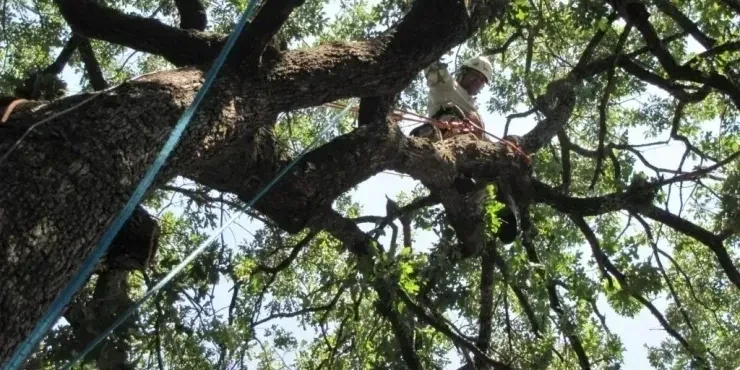
Trees quietly shape the beauty, comfort, and value of any property. They offer shade during harsh summers, improve air quality, and create a peaceful outdoor setting. Yet many property owners underestimate how much attention trees actually require. While they may appear strong and self-sufficient, trees are living organisms that need consistent care to remain healthy and safe. If you have ever wondered whether your landscape is thriving or merely surviving, it may be time to look deeper into the importance of professional tree care services Houston homeowners rely on.
What Trees Need That We Don't See
Looks quiet, but a lot is happening under the bark. Oxygen matters just as much as room for roots to move. Sunlight reaches leaves only when branches spread evenly. Weak spots appear if growth leans too far one way.
Soil that gets too tight means roots have a hard time pulling in what they need. Branches growing lopsided might leave the whole tree wobbling when storms hit. That’s one reason checkups matter - catching small things early keeps big troubles away. Houston folks usually want pros who spot quiet dangers before cracks show up.
Yellowed leaves might seem small - yet they whisper trouble brewing beneath. A sparse tree top or splits in the trunk? These rarely show up alone. Spotting them early changes everything, quietly steering things away from deeper harm. Health and safety hang on these quiet moments of notice.
Why How You Trim Trees Matters
Start by thinking beyond looks when cutting back trees. Done right, it helps them grow strong and stay free from sickness. Removing lifeless or sick parts keeps the shape intact without harming the plant.
Yet bad cuts leave trees exposed to bugs and rot. Too much trimming might weaken a tree, limiting its food-making process from sunlight. Experts who handle trees in Houston rely on knowledge of growth patterns. How much comes off, where each snip happens, even timing - all depend on type and time of year.
Frost season shapes how some trees need care. When still, they take cuts best before spring wakes them up. Others respond better when trimmed as leaves open wide. A pause before cutting can add years beyond the norm. Strong branches often follow quiet decisions made with attention.
Keeping Trees Safe from Bugs and Sickness
Downpours and hot spells give bugs a chance to settle in. When it stays muggy, sickness moves faster through leaves and bark. Without help, invaders slowly drain strength from branches to roots.
Leaves droop, odd marks show up, tiny piles of grass gather by the trunk, then branches start to fail - seemingly small things that often point to trouble beneath. What looks like a little damage today might mean insects are deep inside. Folks in Houston count on tree experts who watch closely, step in early, handle problems before they spread.
Avoiding problems works better than fixing them later. Because roots get tested, fed, and watered right, trees handle tough weather much easier. When a tree thrives, bugs and sickness struggle to take hold. Spotting tiny troubles early keeps the trunk and limbs solid over time.
The Importance of Healthy Soil and Proper Plant Feeding
Starting strong begins beneath the surface. When key nutrients run low, trouble follows without warning signs showing up first. Without enough nitrogen, phosphorus, or potassium, the ground underfoot fails to support steady development. Roots struggle quietly when what they need disappears slowly.
Footpaths packed tight from too many steps, buildings going up nearby - these press down on city ground. Without space to breathe, roots struggle beneath. Though a tree may look strong above, trouble often spreads unseen below.
With better ground quality, trees grow tougher and bounce back faster. Folks in Houston tend to pick help that checks dirt health plus feeds trees what they truly need. Moisture stays put, heat stays balanced - thanks to smart layering near the base. Roots thrive when their world gets tuned just right.
When it comes to trees, how you handle water really matters. Too much moisture creates problems just as easily as too little. A steady supply, adjusted to match the weather patterns of the area, keeps roots healthy while delivering what’s needed. Drowning them invites decay; skipping watering dries things out. Getting it right means watching closely, then acting.
Safety Around Older Trees
Towering trees gain weight over time, making safety harder to ignore. When storms hit, big limbs might break loose without warning. Hollow centers in trunks often give way under pressure. Heavy winds test what looks strong but isn’t.
Spotting trouble on time begins with routine checks of trees around homes. When branches sag or bark splits appear, attention is needed fast. Leaning stems, fractured bases, or torn roots hint at deeper instability brewing underground. Local tree experts commonly visited by residents here place strong focus on safety reviews before problems grow worse. Preventing harm to people or buildings guides their approach most.
When storms hit hard, getting ready matters most where winds get wild. A weak branch fixed early might mean less danger later on. Sometimes saving a house means tending to trees before trouble arrives. The life of a tree often depends on choices made under clear skies.
Healthy Trees Over Time From Regular Care
Over time, caring for trees pays off in quiet ways. A well-kept yard gains worth when limbs grow strong and full. Neighbors notice the look of a home where leaves filter sunlight just right. Cleaner air moves through spaces where branches sway above rooftops. Shade lowers cooling costs without drawing attention to how it works.
Out in the open air, healthy trees do more than look nice. Noise fades a bit when leaves and branches stand in the way. Peaceful spots often form under their shade, where people pause without planning to. Staying steady matters most. A quick cut now and then won’t keep them strong - watching closely over time makes the real difference.
When spring arrives, Houston homeowners begin thinking about feeding their trees to kick off new growth. Instead of waiting until problems show up, many choose to trim branches while the tree sleeps through winter months. This kind of routine check keeps everything in line with how trees grow on their own. Over time, small efforts add up - leading to stronger trunks, healthier leaves, longer lives.
Frequently Asked Questions
How often should trees be inspected?
A single checkup each year helps most trees stay strong. When branches age or weather turns harsh, closer looks make sense now and then instead. Yearly visits catch trouble early, especially where wind or weight could weaken limbs over time.
What are signs that a tree may be diseased?
Patches of odd color on foliage might show up first. Sometimes branches drop without warning. Growth that looks lopsided or twisted can follow. Cracks running through the trunk are another clue. Mushrooms sprouting at the bottom signal trouble underground. Spotting these signs early stops damage from moving further.
Is fertilization necessary for mature trees?
Few realize older trees still respond well to feeding when earth runs low on essentials. Depending on what a soil check reveals, extra minerals might be needed for steady development.
When is the best time to prune trees?
Winter sleep brings sharp cuts for some trees. Others need light shaping when leaves are already moving through spring air.
Conclusion
Out in the open, trees stand tall but still need care that’s steady, not just occasional. Though tough looking, roots thrive only when soil stays balanced - too dense or too thin causes trouble. Pruning matters more than many think; timing shapes strength far better than force ever could. Pests creep in quietly unless checks happen often - not dramatic, yet absolutely necessary. When overlooked, small issues grow, limbs weaken, problems spread before anyone notices. What seems solid today might crack tomorrow without someone watching closely yesterday.
When you choose expert tree help - the kind Houston homeowners count on - your trees stay strong and lively through every season. Trees in good health do more than brighten up yards; they quietly support nature while lifting spirits in ways people rarely expect. Acting now means giving your trees the attention they need before problems start.