
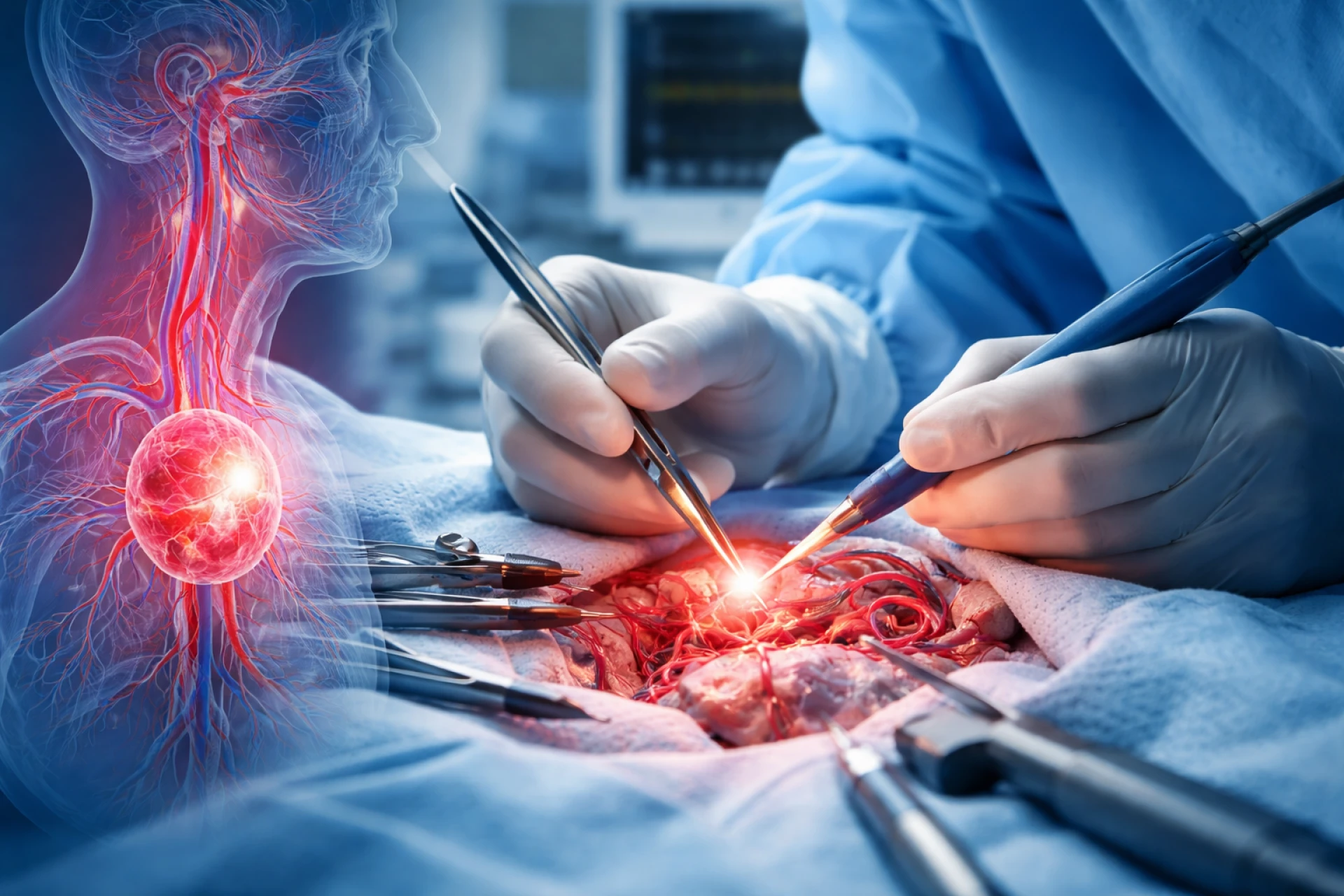
Vascular tumours are growths that develop from blood vessels or lymphatic vessels in the body. Hearing the word “tumour” can naturally cause concern, but not all vascular tumours are dangerous. Some are harmless and may not require treatment, while others can be more serious depending on their type, size, and location.
In this blog, we will break down everything you need to know about vascular tumours in a simple and easy-to-understand way—what they are, whether they are dangerous, and when medical attention is needed.
What Are Vascular Tumours?
Vascular tumours are abnormal growths formed by the cells that make up blood vessels or lymph vessels. These tumours can occur anywhere in the body, including the skin, internal organs, or soft tissues.
They are broadly classified into three categories:
- Benign (Non-cancerous)
- Intermediate (Locally aggressive or rarely spread)
- Malignant (Cancerous)
Each type behaves differently, which is why understanding their nature is important before assuming how dangerous they are.
Types of Vascular Tumours
1. Benign Vascular Tumours
These are the most common and usually not dangerous. Examples include:
- Hemangiomas (common in infants)
- Pyogenic granulomas
- Lymphangiomas
Benign tumours typically grow slowly and do not spread to other parts of the body. Many of them may shrink or disappear on their own over time.
2. Intermediate Vascular Tumours
These tumours are not completely harmless but are also not highly aggressive. They may grow locally and sometimes recur after treatment.
Examples include:
- Kaposiform hemangioendothelioma
- Retiform hemangioendothelioma
They require careful monitoring and, in some cases, treatment from a vascular tumor specialist.
3. Malignant Vascular Tumours
These are rare but serious. They are cancerous and can spread to other parts of the body.
Examples include:
- Angiosarcoma
- Hemangioendothelioma (certain types)
These tumours require immediate medical attention and treatment by a best oncologist surgeon in Ahmedabad or a specialized cancer care team.
Are Vascular Tumours Dangerous?
The answer depends on several factors:
1. Type of Tumour
- Benign tumours are usually not dangerous.
- Malignant tumours can be life-threatening if not treated early.
2. Location
Even a benign vascular tumour can become problematic if it is located in a sensitive area such as:
- Brain
- Airways
- Liver
- Eyes
In such cases, it can affect normal body functions.
3. Size and Growth Rate
- Small, stable tumours may not cause any issues.
- Rapidly growing tumours can press on surrounding tissues and cause complications.
4. Symptoms
Some vascular tumours may not cause any symptoms, while others can lead to:
- Pain or discomfort
- Swelling
- Bleeding
- Skin discoloration
- Difficulty in movement or breathing (depending on location)
If symptoms are present, evaluation by a vascular tumor specialist becomes important.
Common Symptoms to Watch For
Although symptoms vary depending on the tumour type and location, here are some general signs:
- A visible lump or swelling
- Red or purple skin patches
- Unexplained bleeding
- Persistent pain
- Rapid increase in size of a lesion
- Functional issues like difficulty swallowing or breathing
Early detection plays a key role in managing any vascular tumour effectively.
When Should You Be Concerned?
You should consider seeking medical advice if:
- The tumour is growing quickly
- It causes pain or discomfort
- There is frequent bleeding
- It interferes with normal body functions
- It appears suddenly without a clear reason
A proper diagnosis by a qualified specialist helps determine whether the tumour is dangerous or not.
How Are Vascular Tumours Diagnosed?
Diagnosis usually involves a combination of:
1. Physical Examination
A doctor examines the size, location, and appearance of the tumour.
2. Imaging Tests
- Ultrasound
- MRI
- CT scans
These tests help understand the internal structure and extent of the tumour.
3. Biopsy
In some cases, a small tissue sample is taken to confirm whether the tumour is benign or malignant.
Consulting a vascular tumor specialist ensures accurate diagnosis and proper evaluation.
Treatment Options
Treatment depends on the type, size, and location of the tumour.
1. Observation (Watchful Waiting)
- Used for small, benign tumours
- Regular monitoring without immediate treatment
2. Medications
Certain vascular tumours respond well to medications that help shrink them or control growth.
3. Laser Therapy
Often used for skin-related vascular tumours to reduce appearance and symptoms.
4. Surgery
Surgical removal may be required if:
- The tumour is large
- It causes symptoms
- There is suspicion of cancer
In such cases, consulting the best oncologist surgeon in Ahmedabad is important for safe and effective treatment.
5. Advanced Treatments
For malignant tumours, treatment may include:
- Radiation therapy
- Chemotherapy
- Targeted therapy
These are usually part of a comprehensive cancer treatment plan.
Can Vascular Tumours Be Prevented?
There is no guaranteed way to prevent vascular tumours, as many are caused by genetic or developmental factors. However, early detection can make a significant difference.
You can take simple steps such as:
- Monitoring any unusual lumps or skin changes
- Seeking medical advice early
- Following up regularly if diagnosed
Are Vascular Tumours Common?
Yes, especially benign types like hemangiomas, which are quite common in infants and children. Most of these are harmless and resolve without treatment.
Malignant vascular tumours, on the other hand, are rare.
Final Thoughts
Vascular tumours are not always dangerous. Many are harmless and may not require any treatment at all. However, some types can be serious and need timely medical care.
The key is not to panic but to stay informed. If you notice any unusual growth or symptoms, getting it evaluated by a vascular tumor specialist is the best step forward. In cases where advanced care is needed, guidance from the best oncologist surgeon in Ahmedabad can help ensure proper diagnosis and treatment.
Understanding the type and behavior of the tumour is what ultimately determines its risk level. Early diagnosis, proper monitoring, and the right treatment approach can make a significant difference in outcomes.