The idea of a “smart home” has shifted from futuristic novelty to everyday reality. In suburbs like Frankston and across Australia, more households are exploring ways to automate lighting, security, climate control, and entertainment. But as adoption grows, so does a practical question: are Smart Home Automation Solutions actually worth it today?
This article takes a grounded look at the benefits, limitations, costs, and real-world value of Smart Home Automation Solutions, without the hype—so you can decide if they make sense for your lifestyle.
What Are Smart Home Automation Solutions?
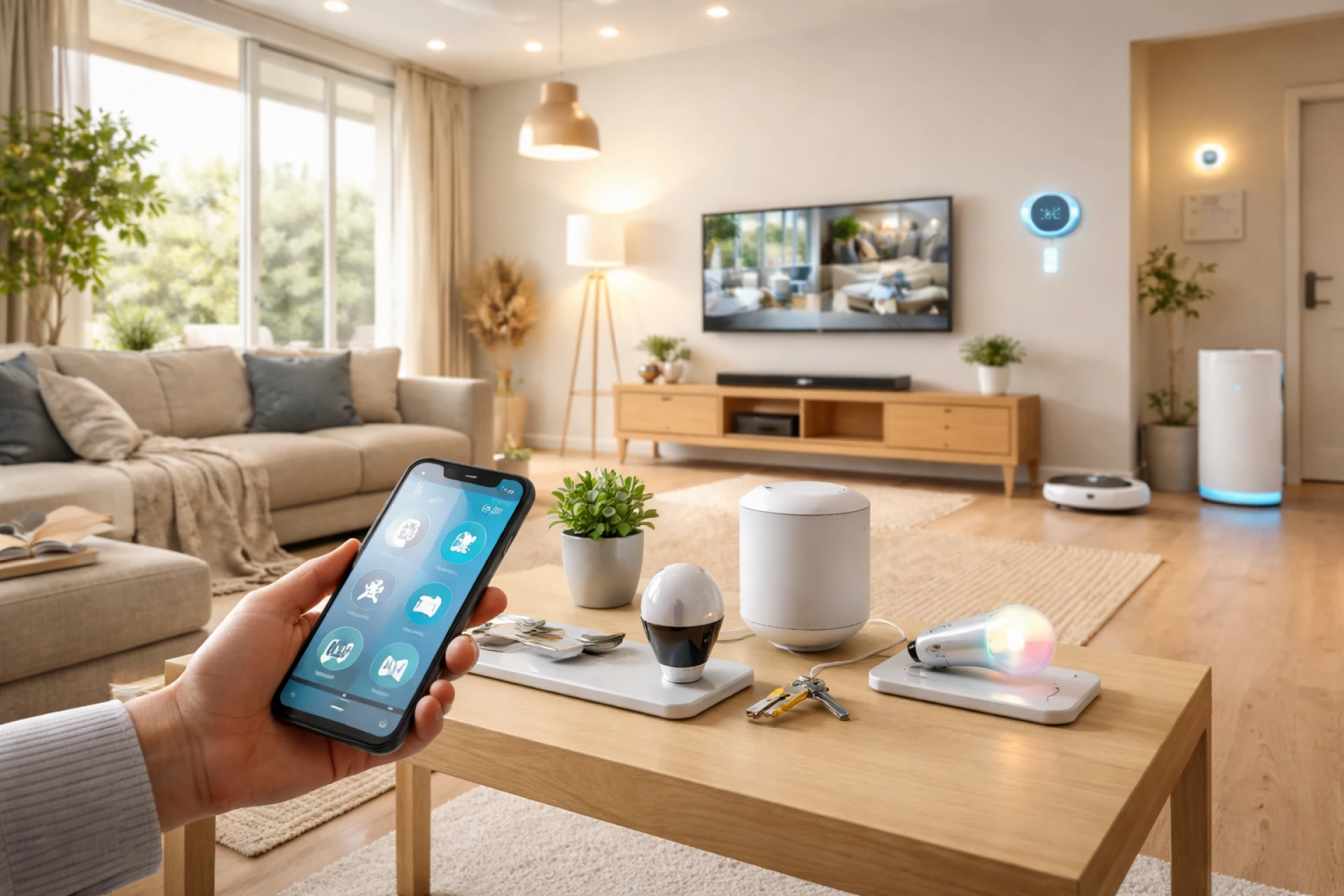
Smart Home Automation Solutions refer to systems that connect and control household devices through a central platform—usually via smartphone apps, voice assistants, or automated schedules. These can include:
- Smart lighting systems
- Security cameras and doorbells
- Thermostats and climate control
- Smart locks and access systems
- Appliances like fridges, washing machines, and TVs
The goal is simple: increase convenience, efficiency, and control within the home.
Why Are Smart Homes Becoming Popular in Frankston?
Frankston, like many growing urban areas in Australia, has seen increased interest in smart living. A few key reasons explain this trend:
- Rising energy costs pushing households towards efficiency
- Increased focus on home security
- Remote work creating demand for more comfortable living environments
- Greater availability of affordable smart devices
These factors make Smart Home Automation Solutions more relevant than ever, particularly for homeowners looking to modernise their living spaces.
Key Benefits of Smart Home Automation
1. Convenience and Control
One of the biggest advantages is the ability to control your home from anywhere. Whether you're at work, travelling, or just on the couch, you can:
- Turn lights on/off remotely
- Adjust temperature settings
- Monitor security cameras
- Lock or unlock doors
This level of convenience is a major reason people consider Smart Home Automation Solutions.
2. Energy Efficiency
Smart devices can help reduce energy consumption by:
- Automatically turning off unused lights
- Optimising heating and cooling schedules
- Monitoring electricity usage
In places like Frankston, where seasonal temperature changes can affect energy use, this becomes especially valuable.
3. Improved Security
Smart security systems offer real-time monitoring and alerts. Features often include:
- Motion detection
- Video doorbells
- Remote access to locks
- Instant notifications on suspicious activity
For families or frequent travellers, Smart Home Automation Solutions provide peace of mind that traditional systems often lack.
4. Customisation and Personalisation
Modern systems allow users to create routines such as:
- “Good morning” settings that turn on lights and start the coffee machine
- “Away mode” that locks doors and activates alarms
- “Night mode” that dims lights and adjusts temperature
These personalised experiences enhance comfort and usability.
The Downsides You Should Consider
While the benefits are appealing, Smart Home Automation Solutions aren’t perfect.
1. Upfront Costs
Initial setup can be expensive, especially if you’re installing a full system. Costs may include:
- Devices (sensors, hubs, cameras)
- Installation (if not DIY)
- Upgrades to existing infrastructure
For many households in Frankston, this is a key deciding factor.
2. Compatibility Issues
Not all smart devices work seamlessly together. You may face:
- Integration problems between brands
- Limited compatibility with older devices
- Dependence on specific ecosystems (e.g., Apple, Google, Amazon)
This can make Smart Home Automation Solutions more complicated than expected.
3. Privacy and Data Concerns
Smart devices collect data to function effectively. This raises concerns about:
- Data security
- Potential hacking risks
- Third-party data sharing
Users need to carefully review privacy policies and ensure secure network setups.
4. Reliance on Internet Connectivity
Most systems depend on a stable internet connection. If your connection drops:
- Devices may stop responding
- Automation routines can fail
- Remote access becomes unavailable
In areas with inconsistent connectivity, this can be frustrating.
Are Smart Home Automation Solutions Cost-Effective?
The value of Smart Home Automation Solutions depends on how you use them.
Short-Term vs Long-Term Value
- Short-term: Higher upfront investment
- Long-term: Potential savings through energy efficiency and reduced maintenance
For example, automated climate control can reduce heating and cooling costs over time, especially in Australian homes with varying seasonal needs.
Who Benefits the Most?
Smart home systems are most beneficial for:
- Tech-savvy homeowners
- Families prioritising security
- People with busy or remote lifestyles
- Individuals interested in energy efficiency
If your needs align with these, Smart Home Automation Solutions may be a worthwhile investment.
Smart Homes and Sustainability
Sustainability is becoming increasingly important in Australia. Smart systems contribute by:
- Reducing unnecessary energy consumption
- Supporting renewable energy integration
- Monitoring usage patterns
In environmentally conscious communities like Frankston, this aligns well with broader sustainability goals.
Future Trends in Smart Home Technology
The smart home industry continues to evolve rapidly. Some emerging trends include:
- AI-driven automation that learns user behaviour
- Improved interoperability between devices
- Voice assistants becoming more intuitive
- Greater focus on cybersecurity
As technology advances, Smart Home Automation Solutions are likely to become more accessible and efficient.
So, Are They Worth It Today?
The answer isn’t a simple yes or no.
Smart Home Automation Solutions are worth it if:
- You value convenience and remote control
- You want to improve home security
- You’re looking to reduce energy usage over time
However, they may not be ideal if:
- You’re on a tight budget
- You prefer simple, low-tech solutions
- You’re concerned about privacy or complexity
For many households in Frankston, the decision comes down to balancing lifestyle needs with budget and long-term goals.
Final Thoughts
Smart homes are no longer just a trend—they’re becoming part of modern living. While Smart Home Automation Solutions offer clear benefits in convenience, efficiency, and security, they also come with challenges that shouldn’t be ignored.
Taking a practical, informed approach is key. Instead of fully automating your home at once, many people start small—adding a few devices and expanding over time.
In today’s landscape, Smart Home Automation Solutions are less about luxury and more about lifestyle choice.
FAQs
1. Are Smart Home Automation Solutions expensive to install?
Costs vary depending on the system. Basic setups are affordable, but full automation can be costly due to devices and installation.
2. Do smart home systems work without internet?
Most features rely on internet connectivity. Some basic functions may still work locally, but remote control usually requires a connection.
3. Are smart homes secure from hackers?
They can be secure if properly configured. Using strong passwords, regular updates, and secure networks reduces risks.
4. Can I install smart home devices myself?
Yes, many devices are DIY-friendly. However, complex systems may require professional installation.
5. Do Smart Home Automation Solutions increase property value?
They can add appeal to buyers, especially in modern markets like Frankston, but the impact depends on the quality and integration of the system.