
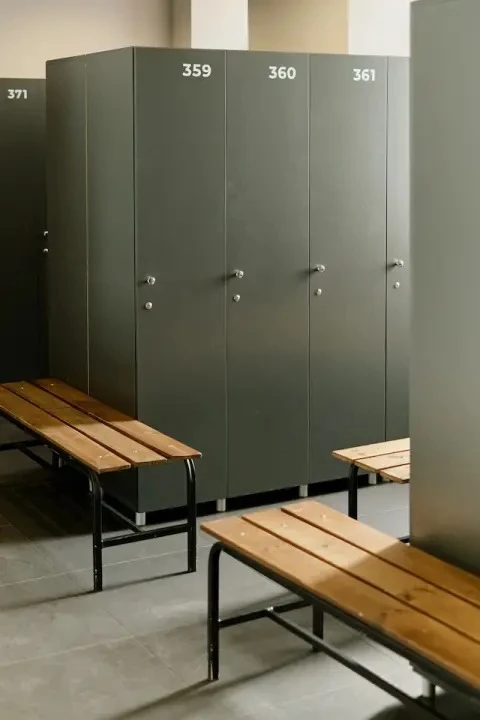
That unsettling feeling of being watched while you’re in a vulnerable state like changing in a gym or spa locker room, is something many of us have experienced. You scan the room, your eyes darting from the vents to the smoke detectors, wondering if your privacy is truly yours.
In a world where technology is shrinking, these fears aren't always just "nerves." While most facilities take guest privacy seriously, it only takes one rogue individual or a lapse in security to turn a private space into a surveillance zone. If you have ever wondered how to stay safe, here is a breakdown of the legal reality and how you can spot hidden devices.
The Legal Reality: Where Can They Record?
It is important to understand that in almost every jurisdiction, there is a "reasonable expectation of privacy" in places like locker rooms, bathrooms, and fitting rooms. Legally speaking, a business cannot film you in these areas. While they can monitor the hallways leading to the locker room for security, the interior disrobing area is a strictly no-camera zone.
However, just because it’s illegal doesn't mean it never happens. Whether it is an untrustworthy employee or a malicious visitor, tiny "pinhole" cameras can be hidden in plain sight. This is why many high-end fitness clubs and private organizations now invest in a professional locker room bug sweep service to ensure their facilities haven't been compromised.
Common "Red Flags" to Watch For:
- Out-of-Place Objects: Does that wall clock look brand new or positioned at an odd angle toward the benches?
- Strange Power Blocks: USB wall chargers are common hiding spots for cameras because they provide a constant power source.
- Small Pinhole Gaps: Look for perfectly circular tiny holes in ceiling tiles, vents, or even the handles of lockers.
Your DIY Detection Toolkit
You don't need to be a private investigator to perform a basic sweep. If something feels off, you can use these simple, non-technical methods to gain peace of mind.
- The Flashlight Reflection Test - Cameras, no matter how small, have glass lenses. If you dim the lights and slowly scan the room with your phone’s flashlight, a camera lens will often give off a tiny blue or purple glint. Focus your light on smoke detectors, thermostats, and even the "eyes" of automatic towel dispensers.
- The Two-Way Mirror Check - This is an old trick but still highly effective. Place your fingernail against the mirror in the changing area.
- Standard Mirror: You should see a small gap between your finger and its reflection.
- Two-Way Mirror: If your finger touches the reflection directly (no gap), there might be a camera behind that glass. Additionally, if you knock on the mirror and it sounds hollow rather than solid, be cautious.
- Smartphone IR Detection - Many hidden cameras use infrared (IR) light to see in the dark. While your naked eye can't see this, your phone’s front-facing camera often can. In a dark room, turn on your selfie camera and look for any tiny glowing or pulsing dots on the screen that aren't visible to the eye.
When to Call the Professionals
While DIY checks are great for a quick visit, they aren't foolproof. Some advanced devices don't emit signals or use glass lenses that are easily spotted. For facility owners or concerned individuals, professional bug sweep services provide a much deeper level of security.
Experts in these services use radio-frequency (RF) scanners and spectrum analyzers to find devices that aren't even transmitting yet. If you manage a facility and want to ensure your members are 100% protected, a recurring locker room bug sweep service is the gold standard for maintaining trust and legal compliance.
What to Do if You Find a Device:
- Do Not Touch It: You want to preserve fingerprints and evidence for the police.
- Cover It Up: Simply hang a towel or a piece of clothing over the lens to block the view.
- Alert Authority: Call the police immediately and inform management.
Your privacy belongs to you. By staying observant and knowing what to look for, you can make sure your time at the gym or spa remains exactly what it was meant to be: a private moment of self-care.