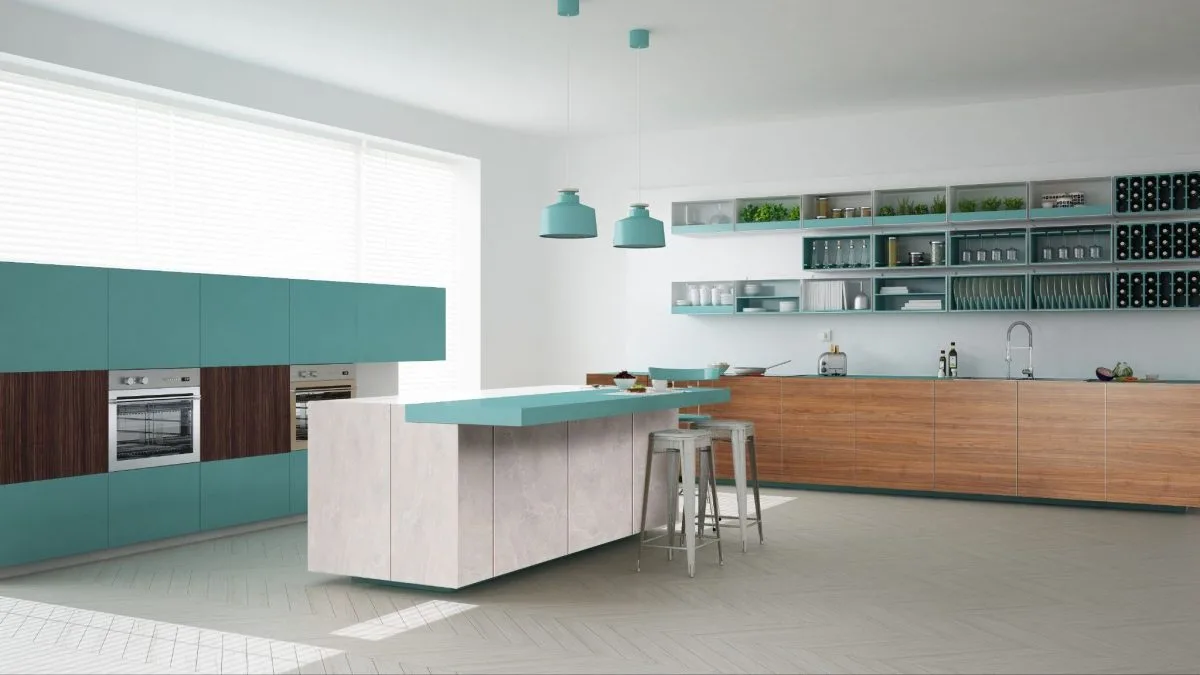
Kitchen cabinets are among the most handled and most exposed surfaces in a home. Every meal, every clean-up, and every hurried morning routine puts them to work. Over time, the finish you choose affects not only how the kitchen looks, but also how easy it is to live with. This is where kitchen laminates play a quiet but decisive role. A well-chosen laminate design supports daily use without demanding constant attention. A poorly chosen one can turn routine maintenance into frustration. While colour and style often drive decisions, performance tends to reveal itself only after months of use. High-gloss laminates sit at the centre of this conversation. They are visually striking and associated with modern kitchen design, yet often questioned for practicality. To decide whether they are right for your kitchen cabinets, in this article, we take a look beyond their surface appeal and discuss how they behave in real kitchens.
Understanding Kitchen Laminates Beyond Surface Shine
Kitchen laminates are engineered decorative sheets that are produced by bonding multiple layers of kraft paper and decorative paper under controlled heat and pressure. This process gives laminates their strength, dimensional stability, and resistance to wear.
What many buyers overlook is that some laminates for kitchen cabinets are developed differently from laminates used elsewhere in the home. Kitchens expose surfaces to steam, heat, oil splashes, and frequent cleaning. These conditions demand higher performance standards than wardrobes or wall panelling.
Leading laminate manufacturers design kitchen laminates with these demands in mind. The finish may define the look, but factors such as surface hardness, moisture resistance, and edge stability determine how well the laminate holds up over time.
What Defines High-Gloss Laminates?
High-gloss laminates are characterised by their smooth, reflective surface that creates a polished, almost mirror-like appearance. Achieving this finish is a precise manufacturing process rather than a cosmetic afterthought. A glossy finish laminate is produced using specialised press plates, surface coatings, and curing techniques that ensure uniform reflection across the sheet. Even small inconsistencies during production can result in uneven gloss or colour distortion, which becomes especially noticeable under kitchen lighting.
Gloss levels influence how light interacts with the space. High-gloss surfaces reflect light more effectively, adding depth and brightness. This is one reason they are frequently used in modern kitchens, particularly in apartments or homes where natural light is limited.
Why High-Gloss Laminates Work So Well in Kitchens
One of the strongest arguments in favour of high-gloss laminates is their visual impact in compact spaces. Reflective cabinet shutters can make smaller kitchens appear more open and less enclosed by bouncing light around the room.
High-gloss finishes also create a clean, seamless look that aligns well with contemporary cabinet designs. Flat panels, handle-less shutters, and minimal detailing all benefit from uninterrupted glossy surfaces. The result is a kitchen that feels ordered and visually calm. This is why many laminate manufacturers position high-gloss laminates as a preferred option for modern homes. When engineered well, they combine design clarity with surfaces that are easy to wipe clean, which suits the pace of everyday living.
The Trade-Offs No One Talks About
Despite their appeal, high-gloss laminates are not universally suitable. Their reflective nature means fingerprints and smudges are more visible, especially on darker shades. In busy kitchens, this can translate into more frequent cleaning.
Scratches, while not inevitable, can also show more clearly on glossy surfaces compared to matte or textured laminates. Over time, poor cleaning habits or abrasive materials may affect appearance.
Usage patterns matter. Kitchens with heavy daily cooking, young children, or limited ventilation may find that a glossy finish laminate requires more care. This does not mean high-gloss should be avoided, but it does mean the decision should be informed rather than impulsive.
Performance Factors That Matter More Than Gloss
When evaluating kitchen laminates, finish should never be the sole criterion. Performance factors determine whether cabinets continue to look good after years of use.
Scratch resistance and surface hardness affect how well the laminate handles daily contact. Heat and moisture resistance are critical in kitchens where steam and temperature changes are common. Stain resistance influences how easily spills can be cleaned without leaving marks.
Edge banding and substrate compatibility are equally important. Even the best laminate sheet can underperform if edges are poorly finished or bonded to unsuitable core materials. This is where differences between laminate companies become apparent. Reliable manufacturers focus on the entire system, not just the visible surface.
High-Gloss vs Other Kitchen Laminate Finishes
High-gloss laminates are only one option within a broader range of kitchen laminate finishes. Matte laminates offer a softer appearance and are more forgiving when it comes to fingerprints and minor scratches. Textured finishes add depth and tactile interest while masking wear.
Anti-fingerprint laminates combine low reflectivity with enhanced usability, making them popular in high-traffic kitchens. Each finish serves a different purpose, and no single option suits every kitchen.
Many designers now mix finishes within the same space. High-gloss laminates may be used on wall cabinets to reflect light, while matte or textured laminates are chosen for base units that see heavier use. This approach balances visual impact with practicality.
Choosing the Right High-Gloss Laminates for Your Kitchen Cabinets
Selecting high-gloss laminates requires an honest assessment of how the kitchen will be used. Cabinet shutters near cooking zones or sinks face more exposure and may need higher performance specifications.
Small kitchens often benefit most from glossy finishes due to their light-enhancing qualities. Larger open kitchens, on the other hand, allow more flexibility in mixing finishes. Households with children or pets may prioritise ease of maintenance over visual perfection. In such cases, lighter shades or premium high-gloss laminates with improved surface treatments can offer a workable compromise. The key is aligning design intent with daily reality.
Smart Design Tips for Using High-Gloss Laminates Effectively
High-gloss laminates work best when used strategically. Base units, islands, and wall cabinets can all benefit from gloss when balanced with neutral countertops and backsplashes.
Colour choice plays a significant role in maintenance. Lighter shades tend to show fewer marks, while very dark gloss surfaces demand more care. Lighting should also be planned carefully, as harsh spotlights can exaggerate reflections.
When integrated thoughtfully, glossy finish laminate surfaces enhance the kitchen rather than dominate it
“Best Laminates in India”: What That Really Means
Searches for the best laminates in India are common, but the idea of “best” is often misunderstood. There is no universal best laminate, only the most suitable one for a specific application.
Reliable laminate manufacturers distinguish themselves through consistent quality, tested performance, and transparency. Certifications, adherence to standards, and long-term product availability matter more than showroom shine.
Evaluating a laminate company means looking beyond finishes and colours. It involves understanding manufacturing capability, quality control, and how products perform once installed. Kitchens demand longevity, not just initial impact.
Conclusion: When High-Gloss Laminates Make Sense
High-gloss laminates are a design choice, not a default solution. When selected with care and paired with quality manufacturing, they can elevate kitchen cabinets both visually and functionally.
The right kitchen laminate balances appearance, performance, and lifestyle demands. Choosing a dependable laminate company ensures cabinets continue to perform well long after the initial installation. In the end, kitchens are lived-in spaces. Laminates that align with that reality are the ones that truly stand the test of time.