
Missing a tooth? It's more prevalent than you might believe, and in a city like London, where we're constantly on the go, it can truly throw off your stride - not to mention your confidence. Many now turn to dental implants because they provide a permanent repair that feels and looks natural. To be honest, though, the idea of something twisted into your jawbone sounds, well, a little frightening. Everyone's main concern is, very naturally, whether it hurts. We will precisely be examining in this post exactly what We will explore the procedure, dispel the misconceptions, and provide you a clear view of what to expect so you may make a wise decision free from the fear element.
Understanding Dental Implants
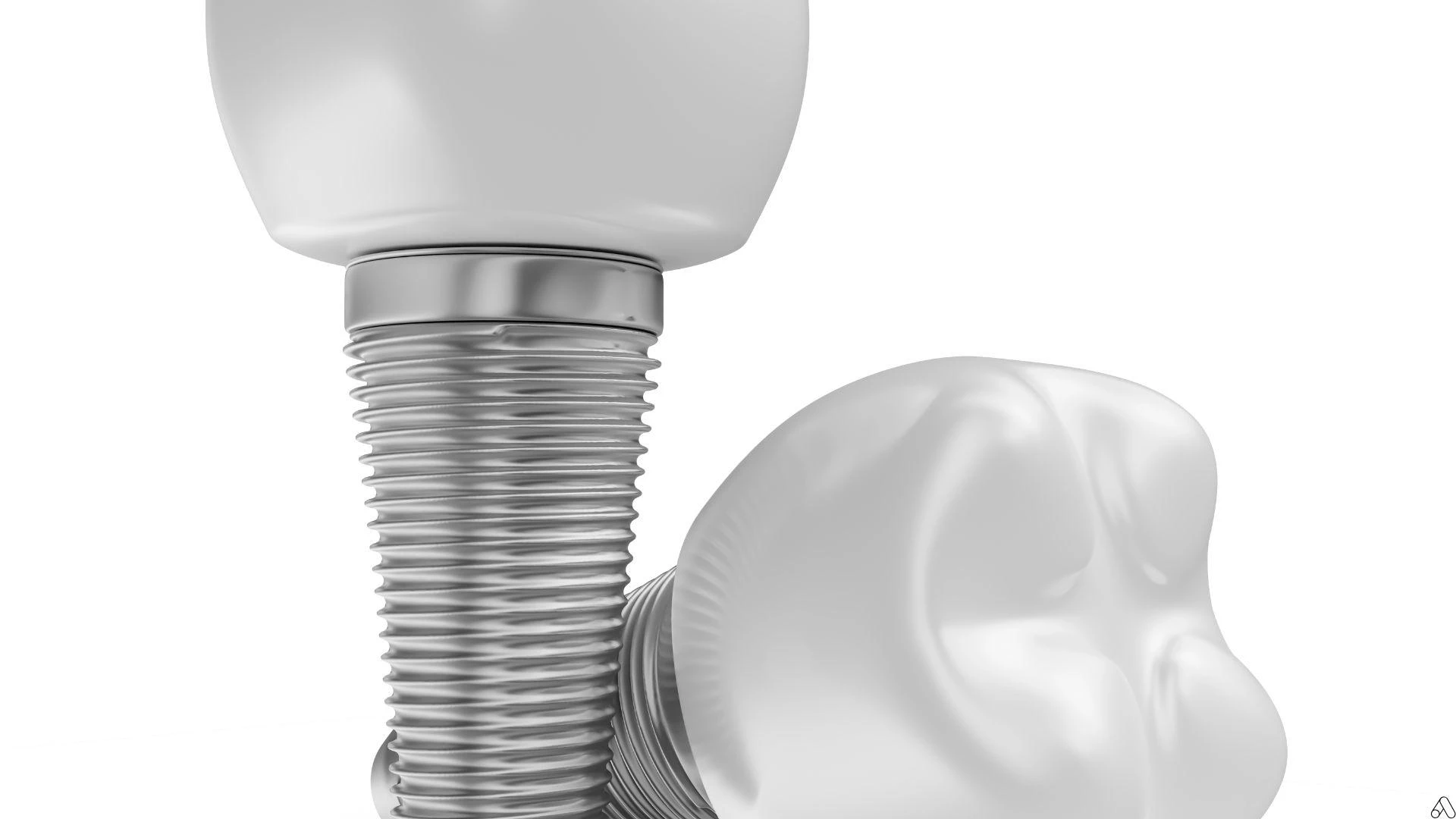
What, then, are dental implants exactly? Consider them as surgically implanted little titanium screws into your jawbone. Whether a single crown, a bridge, or dentures, they provide a strong basis for replacement teeth. Unlike conventional dentures or bridges, implants are cemented in place and offer wonderful ear-to-natural teeth stability and use. They are therefore a favored choice for tooth replacement since they not only restore your smile but also stop bone loss, which could follow from missing teeth. From the first consultation and implant placement until healing and crown attachment, the procedure consists of several phases.
Are dental implants painful? Dealing with the stories
Let us now address the elephant in the room - pain. The most often held belief is that dental implant surgery hurts. Actually, contemporary dentistry has advanced in pain management quite a distance. Key players in your comfort are sedation and anesthesia. While sedative choices - like conscious sedation - can help you relax throughout the treatment, local anesthesia numbs the area. For my part, I underwent a small dental operation under local anesthesia. The most painful aspect for me was the initial injection, which happened quickly. During the implant insertion, most patients say they experience pressure instead of acute pain. Many claim post-procedural pain is like having a tooth pulled, readily controlled with over-the-counter painkillers.
Expectations During the Procedure
First Consultation: Initial Step Your road begins with an all-encompassing evaluation of your teeth. X-rays will be taken by your dentist, who will also review your medical history and draft a customized treatment plan. This meeting is also your opportunity to go over choices for pain management and answer any questions. The Implant Placement: Your dentist will make a minor incision in your gum tissue during the operation to expose the jawbone. Following this, the dentist precisely positions the implant and stitches the gum tissue shut. Local anesthesia or sedation guarantees the least discomfort. The degree of the case will determine the length of the surgery; usually, a single implant takes one to two hours. Third step: post-operative maintenance. You will get thorough aftercare instructions following surgery, including how to control swelling and pain.
Managing pain both during and following the procedure.
Dentists provide your comfort as top importance during the treatment. Local anesthesia is given to numb the area during the procedure; sedation is used to reduce anxiety. You probably will be prescribed painkillers to control any discomfort following the surgery. Applying ice packs to your face for 15 to 20 minutes at a time, several times a day, will help reduce swelling. For the first few days, stick to soft foods, including soup, mashed potatoes, and yogurt. Additionally, gentle saltwater rinses encourage healing and help keep the region clean.
Timetable of Recovery and Expectations
For dental implants, the usual recovery time is a few months. About one to two weeks pass during the first healing period, when the gum tissue recovers. The procedure whereby the implant integrates with the jawbone is called osseointegration; it takes several months. The abutment, a connector, is fastened to the implant once osseointegration is finished; at last, the crown is put on. n. Normal healing shows up as little swelling, bruising, and pain. But see your dentist right away if you have extreme pain, too much bleeding, or symptoms of infection - such as fever or pus.
Variables Affecting Pain Level
Everybody has different pain tolerance. One individual might find it somewhat unpleasant; another might find it more agonizing. The difficulty of the operation also counts. Usually speaking, one implant is less invasive than either a full arch restoration or several implants. Pre-existing oral problems, such as bone loss or gum disease, might also influence the healing process and maybe cause more pain.
Reasons Dental Implants Are Worth It
The long-term advantages of dental implants much exceed any short-term discomfort. Implants let you once again chew, talk, and confidently smile. They also help to keep face structure and stop bone loss, so enhancing the young look. The discomfort connected with dental implants is usually controllable when compared to other dental operations, including tooth extractions. Hearing success tales from patients who have restored their quality of life following implant placement can be quite comforting. For instance, I have a person who fretted greatly about a missing front tooth. Her confidence skyrocketed following an implant, and she remarked she wished she had done it earlier.
In essence
Dental implant operations are meant to cause as little pain as possible. Modern anesthesia and sedative methods, together with careful post-operative care, guarantee your comfort all through the process. Although some discomfort is inevitable, with home care and medicine, most of it is under control. If you are thinking about dental implants, let discomfort not stop you. See your dentist to go over your issues and get tailored advice. Recall that dental implants are a wise investment in your general well-being since their long-term advantages include better oral health, functionality, and confidence.