For many households, candles are no longer just decorative pieces reserved for special occasions. They have become part of daily routines, from creating calming evening rituals to enhancing wellness-focused living spaces. But as consumers become more environmentally aware, one important question continues to surface: Are the candles we burn actually sustainable?
The global candle market is expected to continue growing rapidly as consumers prioritize natural and eco-friendly home products. Yet many conventional candles still rely on paraffin wax, a petroleum byproduct linked to non-renewable fossil fuels. This has sparked increased interest in alternatives like beeswax candles, which are often praised for their natural origins and cleaner burn.
But are beeswax candles truly biodegradable and renewable, or is that simply marketing language?
Understanding the environmental impact of candles requires looking beyond labels. From sourcing and production to disposal and indoor air quality, every stage matters. Consumers today want products that align with both personal wellness and environmental responsibility.
This article explores what makes beeswax candles different, how biodegradable and renewable materials actually work, and why brands like Bee Healthy Candles are helping reshape conversations around sustainable home living.
What Makes Beeswax Candles Different From Traditional Candles?
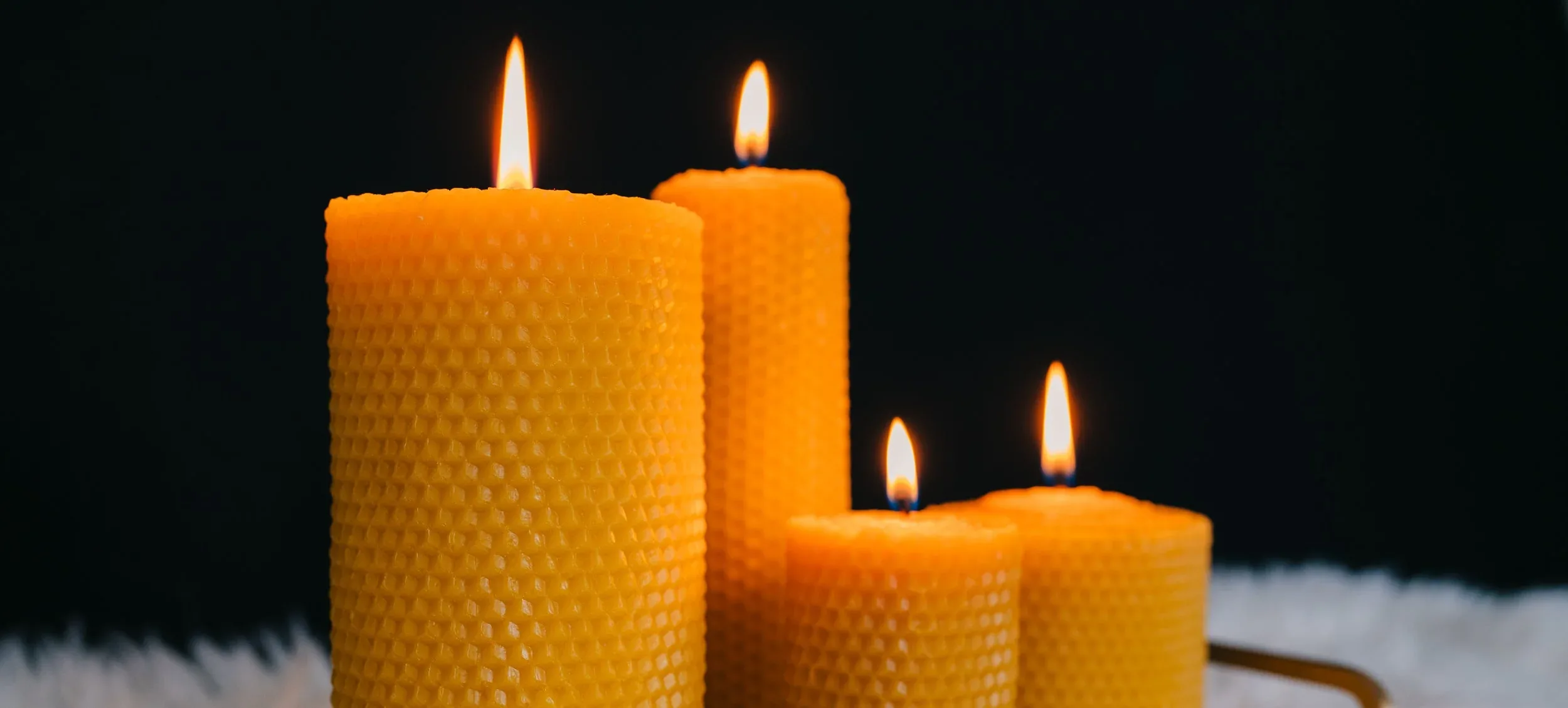
At their core, beeswax candles are made from wax naturally produced by honeybees. Worker bees create beeswax to build honeycomb structures within hives. Once harvested responsibly by beekeepers, the wax is filtered and transformed into candles without requiring heavy industrial processing.
This stands in stark contrast to paraffin candles, which are derived from crude oil refining. Paraffin remains popular because it is inexpensive and widely available, but it depends entirely on non-renewable fossil fuel extraction.
Soy candles are often positioned as a greener option, yet they come with their own environmental concerns. Large-scale soybean farming can contribute to deforestation, pesticide use, and intensive agricultural practices depending on sourcing methods.
Beeswax offers a unique middle ground:
- It is naturally produced by bees
- It requires minimal chemical processing
- It burns slowly and efficiently
- It emits a subtle honey-like aroma without synthetic fragrances
Perhaps most importantly, beeswax is part of a naturally regenerative cycle. Healthy bee colonies continuously produce wax as they build and maintain their hives.
Consumers are increasingly asking a broader question: Can everyday household products actively support a more sustainable lifestyle instead of simply causing less harm? Beeswax candles are gaining traction precisely because they fit into that evolving mindset.
Are Beeswax Candles Truly Biodegradable?
The short answer is yes, authentic beeswax candles are biodegradable.
Biodegradable materials break down naturally over time through microorganisms, moisture, and environmental exposure. Since beeswax is an entirely natural substance, it decomposes without leaving harmful synthetic residues behind.
This matters more than many people realize. Synthetic materials used in some candles, including artificial dyes, chemical fragrance additives, and paraffin residues, can persist much longer in the environment.
Pure beeswax behaves differently because it contains natural organic compounds already integrated into ecological cycles.
However, not all “beeswax candles” are created equally. Some products marketed as beeswax blends may contain:
- Paraffin fillers
- Artificial fragrances
- Synthetic coloring agents
- Chemical stabilizers
These additives can reduce biodegradability and compromise indoor air quality.
When evaluating candle sustainability, consumers should look for:
- 100% pure beeswax labeling
- Cotton or wooden natural wicks
- Minimal ingredient lists
- Transparent sourcing practices
At Bee Healthy Candles, the emphasis on purity reflects a broader industry movement toward ingredient transparency and environmentally conscious craftsmanship.
Why Biodegradability Matters in Everyday Products
Many consumers focus on recycling while overlooking biodegradability. Yet products that naturally return to the environment often reduce waste-management burdens significantly.
Even small purchasing decisions contribute to larger environmental trends. Choosing biodegradable home products helps reduce long-term accumulation of synthetic waste, especially when multiplied across millions of households.
How Renewable Is Beeswax Compared to Other Candle Materials?
Renewability refers to whether a resource can replenish itself naturally over time without permanent depletion.
Beeswax qualifies as renewable because honeybees continuously produce it as part of their natural lifecycle. Responsible beekeeping practices allow wax harvesting without harming colonies, provided hive health remains the priority.
This creates a fundamentally different supply chain compared to petroleum-derived paraffin.
Still, sustainability depends heavily on ethical sourcing.
Responsible Beekeeping Is Essential
The environmental value of beeswax candles is directly tied to bee welfare. Ethical apiaries prioritize:
- Hive health monitoring
- Sustainable harvesting methods
- Pollinator protection
- Biodiversity support
Healthy bee populations are critical for global agriculture. According to environmental research, pollinators contribute significantly to food production and ecosystem stability worldwide.
By supporting responsible beekeeping industries, beeswax products can indirectly encourage pollinator awareness and habitat preservation.
That said, sustainability conversations around beeswax should remain balanced. Beeswax production is naturally limited by hive capacity, meaning it cannot scale infinitely like industrial petroleum manufacturing. Ironically, this limitation may actually support more mindful consumption patterns.
Consumers increasingly value quality over mass production, particularly in wellness and eco-conscious categories.
The Indoor Benefits of Beeswax Candles
Environmental sustainability is only part of the conversation. Indoor air quality has also become a growing concern for modern consumers.
Traditional paraffin candles may release compounds such as toluene and benzene when burned, especially when heavily fragranced. While occasional candle use is unlikely to create severe exposure for most people, many consumers now prefer cleaner-burning alternatives.
Pure beeswax candles are often appreciated because they:
- Produce minimal soot
- Burn longer than many alternatives
- Contain no petroleum byproducts
- Offer a naturally subtle scent
Some candle enthusiasts also believe beeswax helps create a fresher indoor atmosphere, although scientific evidence on air-purifying claims remains limited.
What is clear, however, is that ingredient simplicity matters. Fewer synthetic additives generally mean fewer combustion byproducts released into indoor spaces.
This shift reflects a larger wellness trend where consumers scrutinize everything from cleaning supplies to skincare ingredients and home fragrances.
Question for Modern Consumers
If people carefully evaluate the ingredients in food and cosmetics, should home fragrance products receive the same level of attention?
For many eco-conscious households, the answer is increasingly yes.
Expert Insight: Why Sustainable Candle Choices Are Reshaping Consumer Habits
Over the past five years, sustainability has evolved from a niche concern into a mainstream purchasing driver. Industry analysts consistently report rising consumer demand for products perceived as natural, ethical, and low-impact.
The candle industry offers a fascinating example of this transformation.
A growing number of consumers now prioritize:
- Renewable materials
- Transparent sourcing
- Handmade craftsmanship
- Minimal synthetic ingredients
Brands like Bee Healthy Candles are part of this broader shift toward intentional living products rather than mass-produced disposable goods.
One emerging trend involves consumers reducing the quantity of products they buy while investing in longer-lasting, higher-quality alternatives. Beeswax candles align well with this philosophy because they typically burn more slowly than paraffin candles, potentially extending usability and reducing replacement frequency.
Eco-conscious consumers are also becoming more educated. Instead of relying solely on “natural” marketing claims, many now investigate:
- Ingredient sourcing
- Manufacturing transparency
- Packaging sustainability
- Supply-chain ethics
This increased scrutiny is pushing brands across industries to become more accountable.
The result is a market where authenticity matters more than ever. Companies that prioritize sustainable practices, ingredient integrity, and consumer education are increasingly earning long-term trust.
In many ways, beeswax candles represent something larger than home décor. They symbolize a broader consumer movement toward products that support both personal wellbeing and environmental responsibility.
Conclusion: A Small Household Choice With Broader Environmental Impact
Beeswax candles offer a compelling alternative for consumers seeking products that align with sustainable living values. Their biodegradable nature, renewable sourcing potential, and cleaner-burning qualities make them stand out in a crowded candle market.
While no product is entirely impact-free, responsibly sourced beeswax candles provide a more environmentally conscious option compared to petroleum-based alternatives.
Key Takeaways
- Pure beeswax candles are naturally biodegradable
- Beeswax is renewable when sourced through ethical beekeeping
- Ingredient transparency matters more than marketing labels
- Cleaner-burning candles may support healthier indoor environments
- Sustainable purchasing habits are increasingly shaping consumer behavior