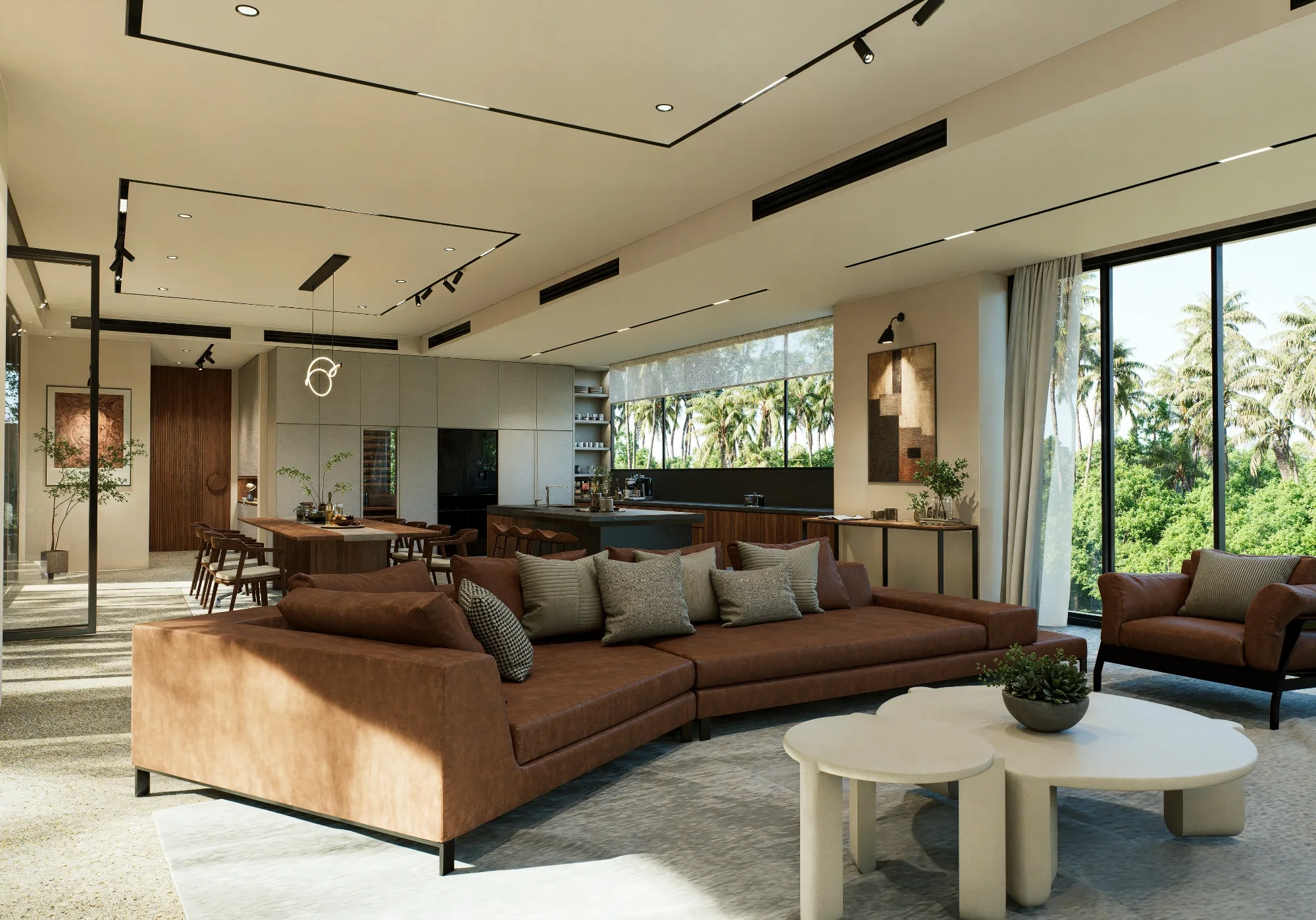

Architecture often says more about daily life than grand intentions. The way a home is positioned, how rooms connect, and how light moves through a space all reveal how people actually live. Across New Zealand, regional conditions quietly influence these decisions, shaping homes that respond to climate, landscape, and local culture rather than abstract trends.
Urban centres such as Auckland and Wellington illustrate this clearly. Both cities support strong design communities, yet their buildings evolve in different ways. Geography, weather, and patterns of growth affect not only how structures look, but how they are used over time.
In Auckland, expansion has been a defining force. As neighbourhoods grow denser, residential architecture has adapted to smaller sites and changed household needs. Homes increasingly rise vertically, with multi-level layouts that allow families to live comfortably on tighter footprints. Flexible spaces, such as rooms that shift between work and leisure, have become more common as lifestyles change.
Climate influences these designs in practical ways. Warmer temperatures and higher humidity encourage cross-ventilation, shaded outdoor areas, and materials that cope well with moisture. Many projects associated with Architecture Auckland explore ways to maintain openness without sacrificing privacy, especially where neighbouring homes sit close together.
Wellington presents a different set of pressures. The city’s steep terrain often dictates the form of a building before aesthetics come into play. Homes frequently step-down hillsides, resulting in layered interiors that follow the land rather than reshape it. This approach can create dramatic spaces, but it requires careful planning to ensure comfort and accessibility.
Wind and seismic activity are constant considerations. Structural integrity and durability sit at the centre of design decisions, influencing everything from framing systems to window placement. Designers working within the Architects Wellington NZ context often balance exposure with shelter, creating homes that feel secure without being closed off from their surroundings.
Despite these contrasts, certain values run consistently through New Zealand architecture. A strong relationship with the outdoors is one of them. Decks, courtyards, and large openings are not decorative extras but extensions of everyday living. Homes are designed to adapt to seasonal changes, encouraging people to move easily between inside and outside spaces.
Material honesty is another shared principle. Timber, concrete, and stone are frequently used in ways that highlight their natural qualities. Rather than being hidden behind layers of finish, these materials are allowed to age and develop character. This restraint gives buildings a sense of longevity and avoids the feeling of being tied to a specific moment in time.
Renovations often demonstrate this approach most clearly. When older homes are updated, the goal is rarely to erase their past. Instead, architects tend to work with existing structures, introducing modern comfort while retaining original proportions or details. The result is a layered environment where old and new coexist comfortably.
Sustainability now sits quietly within these decisions. Energy efficiency, passive heating, and thoughtful orientation are widely expected rather than celebrated. Good architecture increasingly means creating buildings that perform well over decades, reducing the need for constant intervention or replacement.
Ultimately, architecture succeeds when it supports everyday routines without drawing attention to itself. Well-designed homes feel intuitive, responding naturally to how people move, gather, and rest. This sense of ease is rarely accidental; it grows from careful observation and an understanding of place.
For readers interested in exploring how New Zealand homes reflect these ideas in real settings, Home Magazine offers a thoughtful collection of architectural stories grounded in everyday living rather than spectacle.