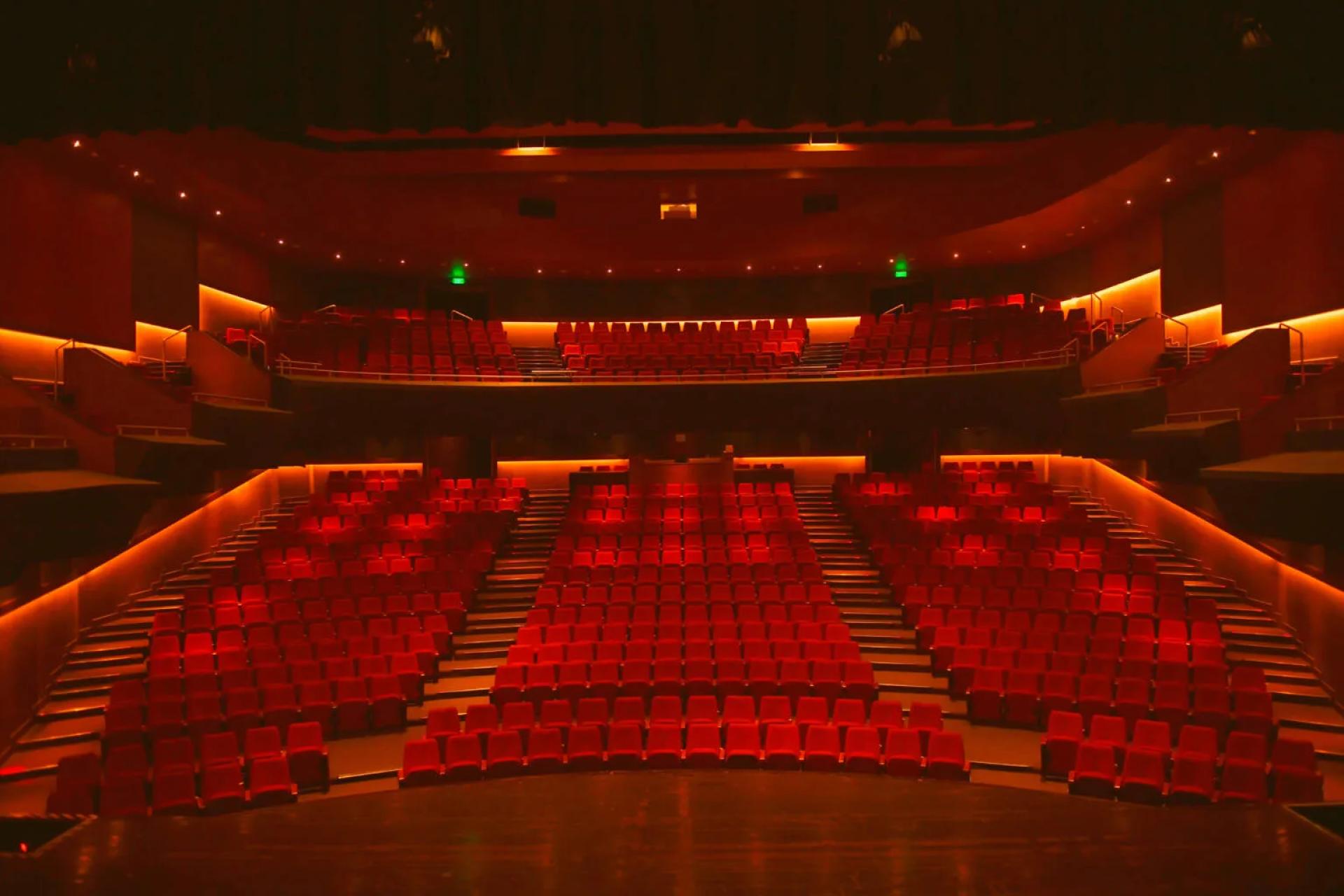
Mumbai’s identity is deeply intertwined with its architecture, from the Victorian Gothic structures of the south to the mid-century modern designs of the suburbs. Among these, the city's performance venues stand out as functional monuments of art. Unlike commercial buildings, an auditorium is a complex marriage of aesthetics, mathematics, and emotion. Over the decades, these spaces have evolved from simple community halls into technologically advanced arenas that define the city's cultural skyline. Understanding the architectural journey of these spaces offers a glimpse into how Mumbai’s artistic soul has matured over time.
The Transition from Open-Air to Acoustic Enclosures
In the early 20th century, many of Mumbai’s cultural performances took place in open-air 'maidans' or temporary 'pandals'. However, as the city grew noisier and the demand for sophisticated storytelling increased, the need for enclosed, sound-proof environments became paramount. This led to the birth of specialized auditoriums where every curve of the ceiling and every fabric of the seat was designed to manage sound. Today, finding the best theatre in Mumbai is as much about the architectural experience as it is about the play being staged. The design must ensure that the "whisper" of an actor on stage reaches the back row with the same clarity as a full orchestral climax.
Bandra’s Cultural Landmark: A Study in Design
When the cultural focus started shifting towards the suburbs in the 1970s, Bandra became the epicenter of a new architectural movement. The design of the Sheila Gopal Raheja auditorium is a testament to this era. It was built with the vision of providing a professional-grade platform that could handle the rigorous demands of both classical Indian music and modern Western theatre. The use of specialized wood paneling for natural resonance and a seating layout that provides an intimate connection between the artist and the audience makes it a masterpiece of suburban architecture. For any student of design, such venues represent the pinnacle of "form following function."
The Engineering Behind the Stage
Beyond what the audience sees, the "backstage" is a marvel of industrial engineering. Modern venues require high-load-bearing fly bars, sophisticated pit lifts, and complex electrical grids that can power thousands of watts of lighting. In a coastal city like Mumbai, managing humidity and salt-air corrosion is a constant architectural challenge. Premier venues invest heavily in climate control systems that are silent yet powerful, ensuring that the delicate wooden instruments on stage and the comfort of the audience are never compromised.
Heritage Conservation and Modern Upgrades
One of the toughest challenges for Mumbai's iconic venues is maintaining their heritage charm while integrating 21st-century technology. Integrating high-speed fiber optics, digital sound consoles, and LED walls into older structures requires a delicate touch. The venues that have successfully done this serve as cultural anchors, bridging the gap between the legendary performers of the past and the tech-savvy creators of the future. This blend of "old-world soul" and "new-world tech" is what makes Mumbai’s theatre circuit truly unique.
Conclusion
As Mumbai continues to reinvent itself, its performance spaces remain constant reminders of its creative journey. These are not just buildings made of concrete and steel; they are the vessels of the city's stories. By appreciating the architectural and technical brilliance of these venues, we gain a deeper respect for the arts they house. Whether you are an architect, an artist, or a spectator, the next time you step into a premier auditorium, take a moment to look at the walls—they have as much to say as the actors on the stage.