The Current State of Software Development in April 2026
As we step into April 2026, software development continues to be a dynamic and rapidly evolving field, shaping industries and everyday life across the globe. The discipline has transitioned far beyond traditional coding practices, integrating sophisticated artificial intelligence, advanced automation, and increasingly user-centric design philosophies. These changes reflect broader trends in technology and society, underscoring the importance of adaptive skills and innovative approaches for developers and organizations alike.
In this article, we will explore the key trends and transformations defining software development today, including the rise of AI-driven coding assistants, the mainstream adoption of quantum computing frameworks, the impact of regulatory environments on development practices, and the growing emphasis on ethical considerations. We will also investigate how these developments interconnect with adjacent technological domains and cultural shifts.
Artificial Intelligence: The New Partner in Code
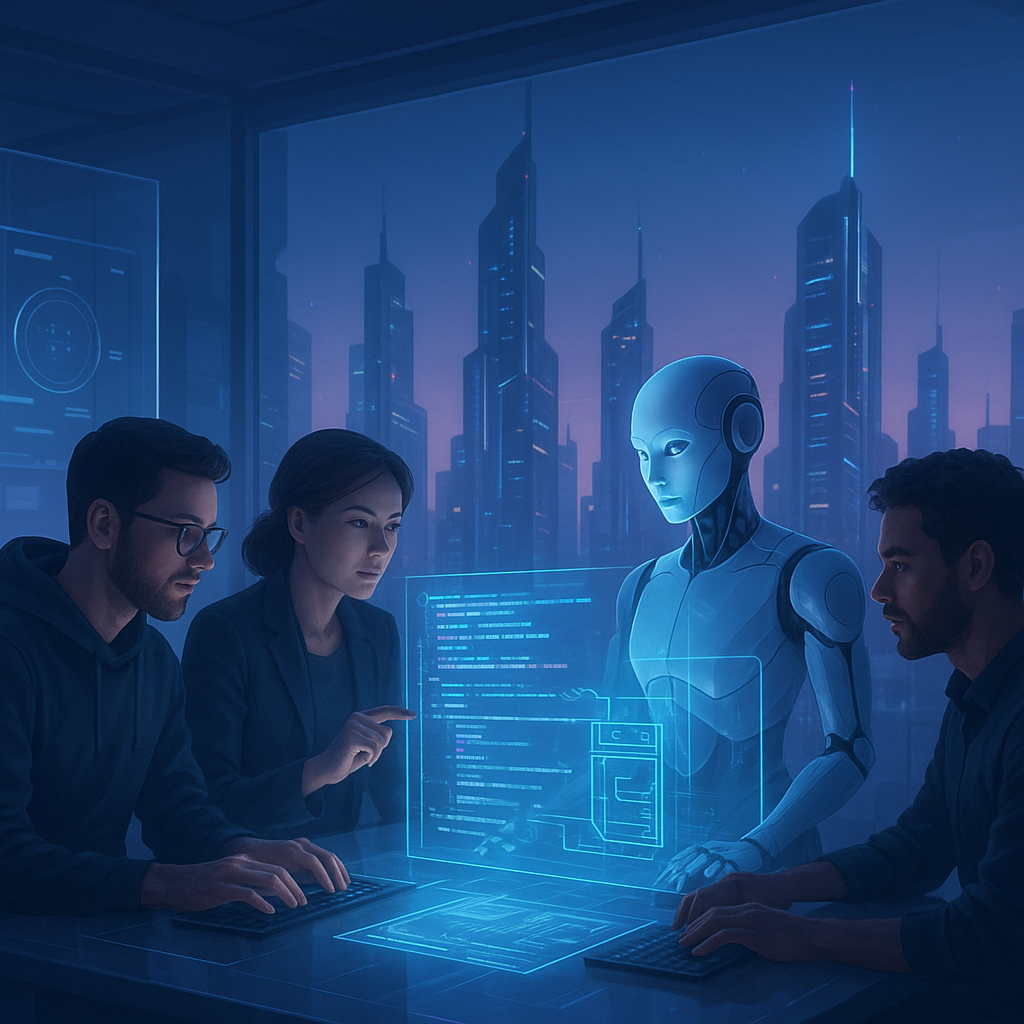
One of the most significant changes in software development is the integration of advanced AI tools that assist developers at every stage of the software lifecycle. AI-driven coding assistants have evolved from simple autocompletion tools to sophisticated systems capable of generating complex code snippets, debugging, and even architecting entire applications based on high-level requirements.
This symbiotic relationship between human developers and AI has accelerated development cycles, increased code quality, and democratized programming by lowering the entry barrier for newcomers. Companies now leverage AI not only to optimize productivity but also to foster creativity, allowing developers to focus on problem-solving and design rather than repetitive coding tasks.
However, this evolution raises important questions about the role of the developer and the potential for over-reliance on AI-generated code. Maintaining a deep understanding of underlying algorithms and system architecture remains crucial to ensuring robust, secure, and maintainable software.
Quantum Computing Frameworks Enter the Mainstream
While quantum computing was once a niche research area, April 2026 marks a pivotal moment in its integration into software development. Quantum programming frameworks have become accessible to a broader developer audience, supported by cloud-based quantum processing units (QPUs) that allow experimentation without the need for expensive hardware.
Leading tech companies have released standardized quantum development kits, enabling developers to write and test quantum algorithms alongside classical code. This hybrid programming approach is particularly transformative in fields such as cryptography, optimization, and simulation of complex physical systems.
For software engineers, acquiring quantum programming skills is increasingly valuable, and educational institutions have responded by incorporating quantum computing courses into standard computer science curricula. This shift not only enhances the talent pipeline but also promotes innovative applications that leverage quantum advantages.
Regulatory Impact on Software Development Practices
In the wake of growing concerns over data privacy, security, and ethical use of technology, regulatory frameworks have become more stringent and pervasive. Governments worldwide have enacted comprehensive legislation that directly influences software development methodologies.
Developers must now navigate complex compliance requirements, including data protection laws, algorithmic transparency mandates, and accessibility standards. This environment demands closer collaboration between legal teams, software architects, and product managers to ensure that applications meet regulatory expectations without compromising functionality or user experience.
Moreover, the rise of privacy-preserving technologies such as federated learning and homomorphic encryption are reshaping how sensitive data is processed and stored within software systems. These innovations enable developers to build applications that respect user privacy while still delivering intelligent features.
Emphasis on Ethical Software Development
Ethics in software development has gained unprecedented attention in April 2026, reflecting broader societal debates about technology's role and responsibility. Developers and organizations are now expected to proactively address issues related to bias, fairness, transparency, and the societal impact of their software.
Ethical guidelines and frameworks have been integrated into development lifecycles, with dedicated roles such as Ethics Officers becoming common in tech companies. These professionals work alongside engineers to review algorithms for unintended consequences, ensure inclusivity, and promote equitable access.
This cultural shift is also evident in open-source communities, where transparency and community governance help foster shared accountability. The movement towards ethical development not only protects users but also builds long-term trust and brand reputation.
The Rising Importance of Cross-Disciplinary Collaboration
The complexity of modern software demands collaboration across diverse disciplines. Developers increasingly work alongside experts in design, psychology, data science, and domain-specific fields to create holistic solutions that address real-world problems.
For example, the design of intuitive user interfaces now involves behavioral scientists to understand how users interact with technology. Similarly, data scientists contribute to building intelligent systems that learn and adapt over time. This collaborative approach ensures software is not only functional but also engaging and effective.
Organizations have responded by adopting agile and DevOps methodologies that emphasize communication, rapid iteration, and continuous delivery. These frameworks facilitate cross-functional teamwork and help align technical objectives with business goals.
Trends in Software Development Methodologies
Traditional development methodologies have continued to evolve, with agile frameworks now supplemented by innovations such as continuous integration and continuous deployment (CI/CD), infrastructure as code (IaC), and model-driven engineering.
CI/CD pipelines have become standard practice, enabling rapid testing and deployment while reducing errors and downtime. IaC allows for automated provisioning and management of infrastructure, enhancing scalability and consistency.
Model-driven engineering leverages abstract representations of systems to generate code automatically, improving maintainability and reducing manual effort. These methodologies collectively contribute to more efficient and reliable software delivery processes.
Impact of Edge Computing on Software Architecture
Edge computing has gained momentum as an essential architectural paradigm, driven by the proliferation of Internet of Things (IoT) devices and real-time data processing needs. Developers now design applications that distribute computation closer to data sources, reducing latency and bandwidth usage.
This shift influences software design patterns, emphasizing modularity, resilience, and asynchronous communication. Developers must consider constraints such as limited processing power and intermittent connectivity when building edge-aware applications.
The integration of edge and cloud computing creates hybrid environments that offer flexibility and performance, unlocking new possibilities in sectors like autonomous vehicles, healthcare monitoring, and smart cities.
The Role of Low-Code and No-Code Platforms
Low-code and no-code development platforms have matured considerably by April 2026, empowering non-technical users and accelerating application delivery. These platforms provide visual interfaces and pre-built components that simplify the creation of business applications, workflows, and even AI models.
While these tools democratize software development and alleviate the burden on IT departments, professional developers remain vital for complex system integration, performance optimization, and security assurance.
The coexistence of traditional coding and low-code solutions fosters a layered development ecosystem where rapid prototyping and production-grade software complement each other.
Software Security: A Paramount Concern
Security remains a critical focus area, as cyber threats become more sophisticated and pervasive. Developers must embed security practices throughout the development lifecycle, adopting concepts like DevSecOps to integrate security testing and monitoring seamlessly.
Techniques such as static and dynamic code analysis, penetration testing, and threat modeling are standard components of secure software development. Additionally, emerging technologies like AI-powered security tools help detect vulnerabilities and respond to threats in real time.
Educating developers about secure coding practices and fostering a security-first mindset are essential strategies to mitigate risks and protect users.
Software Development Education and Skillsets in 2026
The rapid pace of change in software development necessitates continuous learning and adaptation. Educational institutions and online platforms offer diverse programs that cover traditional programming, AI integration, quantum computing, cybersecurity, and ethical considerations.
Soft skills such as communication, teamwork, and problem-solving are increasingly valued alongside technical expertise. Mentorship programs and community engagement also play significant roles in professional growth.
As software development becomes more interdisciplinary, developers often specialize in niche areas while maintaining broad foundational knowledge.
Looking Ahead: Future Directions
Looking beyond April 2026, software development is poised to embrace further innovations and challenges. Anticipated advancements include deeper AI-human collaboration, expanded quantum computing adoption, and more sophisticated privacy-preserving technologies.
Moreover, societal expectations will continue to shape development priorities, emphasizing sustainability, inclusivity, and global impact. Developers and organizations that proactively engage with these trends will be best positioned to lead in a world increasingly defined by software.
Interconnections with Broader Technological and Cultural Trends
Software development does not exist in isolation; it intersects with numerous technological and societal domains. For instance, the rapid innovation in gadgets and smart devices profoundly influences software capabilities and user expectations. For a comprehensive understanding of how these hardware advancements complement software trends, readers may refer to our article April 2026: The Transformative Wave of Gadgets Shaping Our Future.
Additionally, as software increasingly handles sensitive personal data and governs critical infrastructure, navigating privacy has become a complex endeavor. Our coverage on this subject in April 2026: Navigating the Evolving Landscape of Privacy in a Hyperconnected World offers valuable insights into the regulatory and technological frameworks influencing software development.
Conclusion
In conclusion, April 2026 represents a vibrant and transformative period for software development. The integration of AI, quantum computing, ethical frameworks, and advanced methodologies is redefining what it means to develop software. As these trends continue to unfold, developers, organizations, and users alike will need to embrace adaptability, collaboration, and responsibility.
The future of software development is not merely about writing code but about crafting intelligent, secure, and ethical systems that enhance human experiences and address complex global challenges.
By staying informed and engaged with ongoing developments, the software community can contribute to a more innovative and equitable technological future.