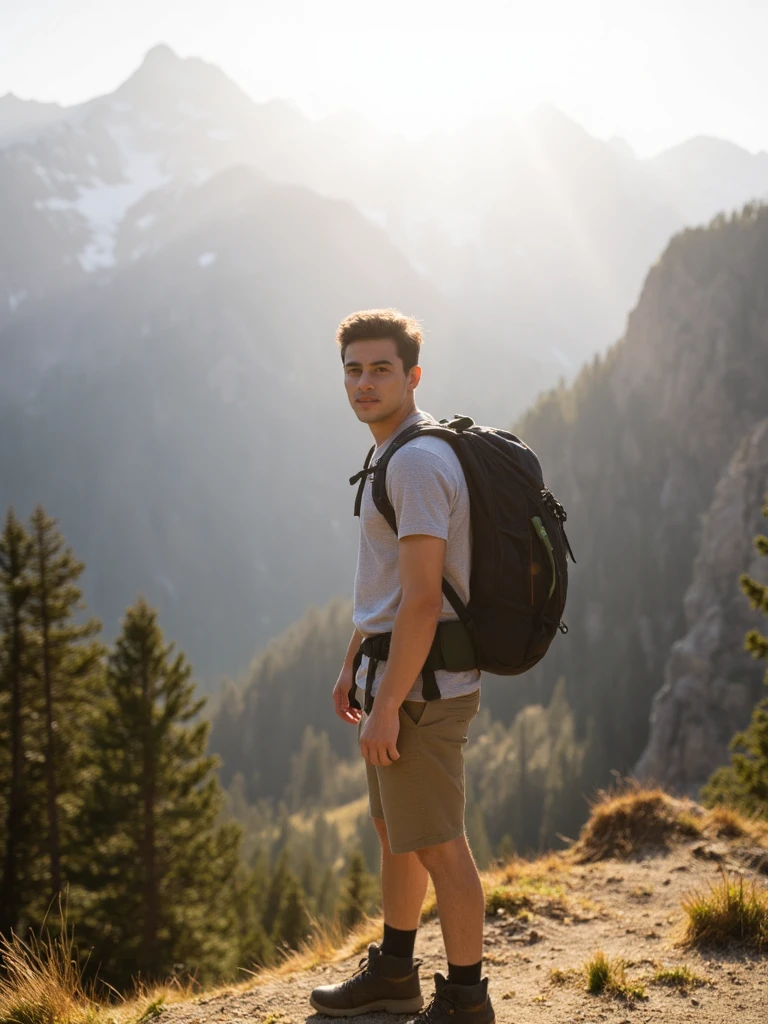
I still remember the first time I heard about the Annapurna Base Camp (ABC) trek. It wasn’t from a travel book or a guidebook, but from a tired, sunburnt trekker I met in a tea house in Pokhara. He had this peaceful look on his face and said something I’ll never forget:
“It’s not just about the mountains. It’s about how you feel when you’re there.”
That one line stuck with me. A year later, I packed my bag and went to find out for myself.
The Journey Begins
I started the trek from a small village called Ghandruk. It’s a beautiful place with friendly people, stone-paved paths, and views of mountains that look like they’ve been painted into the sky. Kids run around playing, and old folks sit outside their homes sipping tea. I felt like I had stepped into another world, one that moved slower and felt warmer.
As I walked uphill, through forests filled with rhododendron trees and across clear rivers, something inside me started to shift. The air got cooler, the trails quieter, and the mountains, oh, the mountains, they started to feel like silent giants watching over everything.
What Makes ABC Trek Special
Here’s what made this trek unforgettable for me:
- You’re always close to the mountains – From Day One, you see Annapurna South, Hiunchuli, and Machapuchare (also known as Fishtail). And every day, they seem to get bigger and more alive.
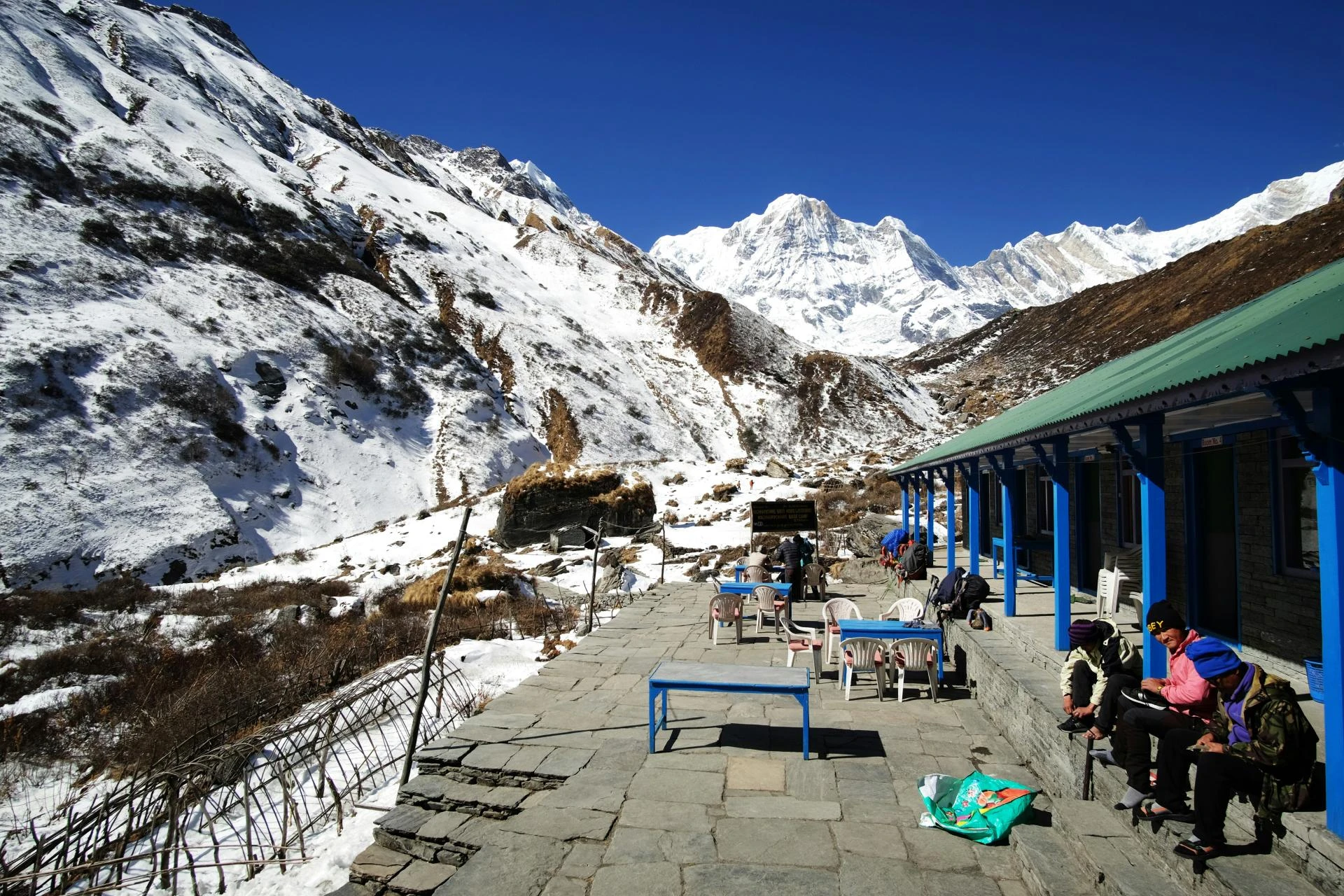
- The villages feel like home – I stayed in tea houses run by local families. They served warm meals and even warmer smiles. I shared stories with travelers over dal bhat and garlic soup.
- The trail is alive – I saw monkeys swinging through trees, heard birds calling out, and even caught a glimpse of a Himalayan pika (tiny rabbit-like creature).
- You feel everything more deeply – Your legs will get tired, sure. But your heart? It feels full. From watching sunrises to talking with strangers who become friends, the experience is rich and real.
A Bit of History
The Annapurna region has a special place in Nepal’s trekking history. Some interesting points:
- The Annapurna range was the first 8,000-meter peak ever climbed. French climbers Maurice Herzog and Louis Lachenal reached the top in 1950. This was even before Everest was climbed!
- The name “Annapurna” comes from the Sanskrit words “Anna” (food) and “Purna” (filled). She’s known as the goddess who provides food and nourishment.
- The ABC trek opened to foreign trekkers in the 1970s and has since become one of the most loved trekking routes in Nepal.
The Base Camp Experience
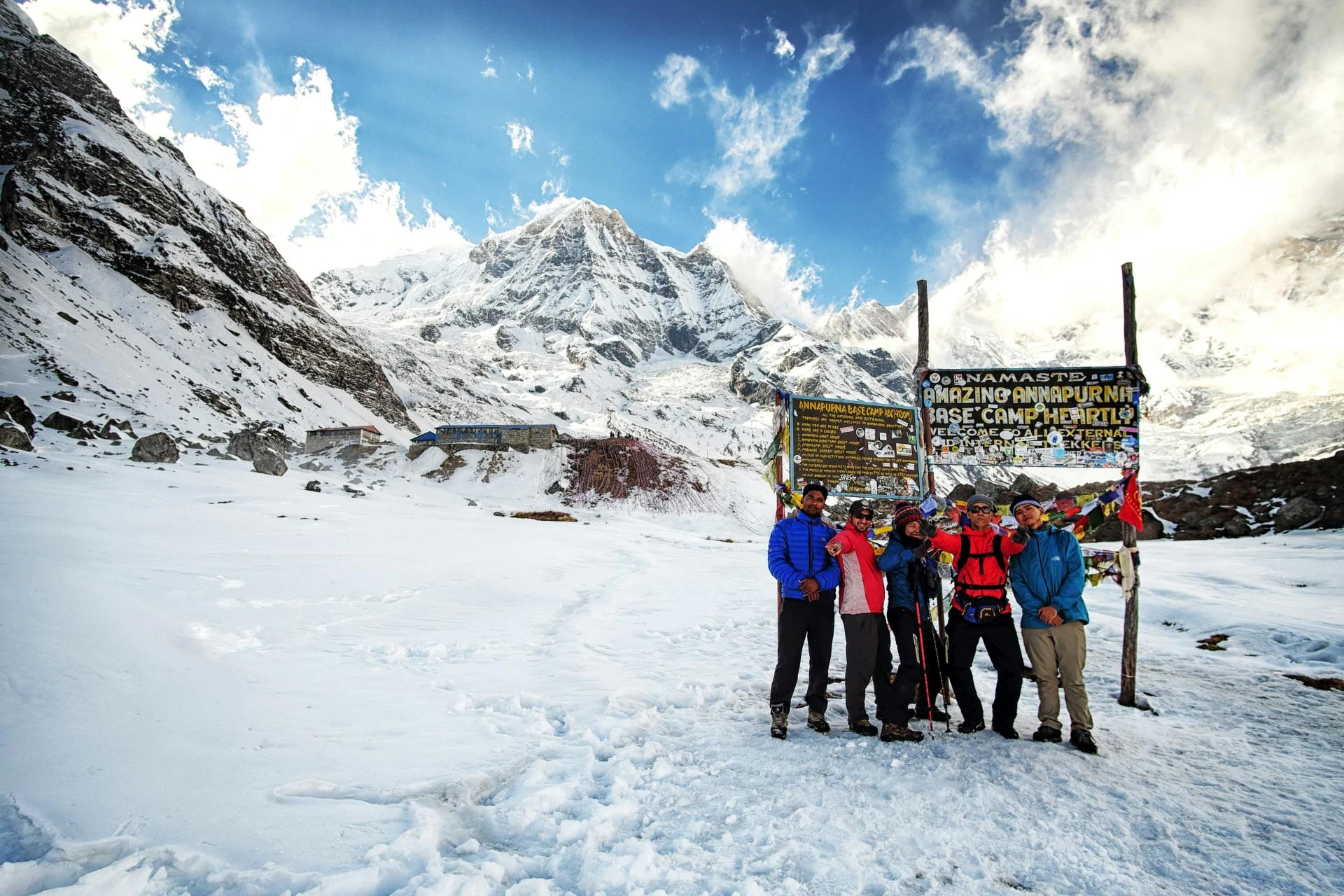
Reaching Annapurna Base Camp was like a dream. I arrived just before sunset. The clouds cleared for a moment, and the whole circle of mountains stood tall and silent. I was at 4,130 meters, but the real high was in my heart.
Here’s what I remember most:
- The cold wind on my face
- The crunch of snow under my boots
- The sound of prayer flags fluttering
- A small cup of hot tea that tasted like gold
There’s no big lodge or party at the top. It’s quiet. Peaceful. You sit, you look around, and you just feel. Some people cried. Some smiled. I just sat there, holding onto the moment like a treasure.
Tips from My Side
If you’re thinking of going, here’s what I’d tell you:
- Train a bit before you go – You don’t need to be super fit, but walking uphill for hours can be tough. Some practice helps.
- Pack light but smart – Good boots, warm clothes, and sunscreen are musts.
- Go slow – Don’t rush. Talk to people. Breathe in the forest air. Watch the stars.
- Respect the culture – The people of these mountains are kind and proud. A little respect and a smile go a long way.
Final Thoughts
The Annapurna Base Camp trek isn’t just about getting to a place. It’s about every step that takes you there. It’s about the silence of the mountains, the stories of the people, and the little moments that stay with you forever.