Amenities and infrastructure have become decisive factors in how residential developments are evaluated today. Buyers no longer assess land purely on ownership value; they examine how effectively a development supports everyday living and future needs. Within premium residential townships, plots in dharwad are increasingly valued for the quality of infrastructure and amenities integrated into the layout rather than for land size alone.
A well-planned township treats infrastructure as its backbone. Roads, utilities, drainage, and access systems are designed to function efficiently from the first phase of development through long-term habitation. This approach ensures that homeowners experience consistency, safety, and convenience as the township matures.
The Role of Core Infrastructure in Residential Planning:
Infrastructure determines how comfortably a residential area functions over time. In premium townships, infrastructure planning goes beyond basic provision and focuses on durability and scalability.
Internal road networks are designed with adequate width and alignment to support both current use and future traffic flow. Proper road hierarchy allows smooth movement while maintaining residential calm. Drainage systems are planned to manage seasonal water flow effectively, preventing long-term maintenance issues and ensuring surface durability.
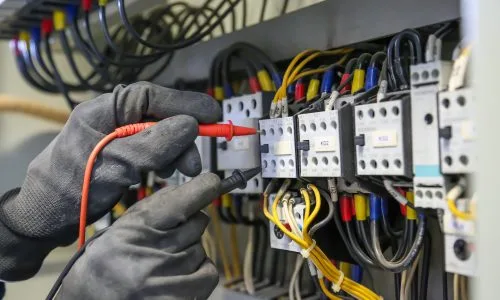
Utility planning is equally critical. Provision for water supply, electricity, and underground cabling is incorporated at the layout stage, reducing disruptions during construction and occupation. This level of preparation enhances the long-term reliability of the residential environment.
The Aurora Hills emphasizes such infrastructure fundamentals, ensuring that plotted developments function as complete residential ecosystems rather than fragmented layouts.
Amenities as Extensions of Everyday Living:
Amenities are no longer viewed as optional add-ons. In premium residential townships, they serve as extensions of daily life, contributing to comfort, wellness, and community interaction.
Well-planned townships typically include amenities that support both active and passive lifestyles. These features are integrated in a manner that complements residential spaces rather than overwhelming them.
Commonly valued amenities include:
- Landscaped open areas for relaxation and informal gatherings
- Walking and jogging paths that promote daily fitness
- Children’s play zones designed with safety and accessibility in mind
- Designated community spaces for social interaction
Such amenities enhance livability while preserving the residential character of the township.
Integration of Amenities With Plot Design:
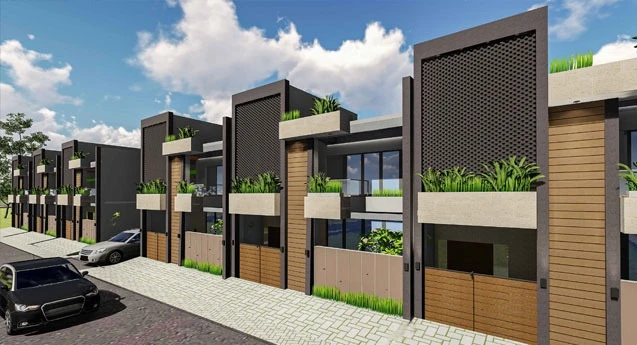
One of the defining aspects of premium townships is how amenities are positioned in relation to residential plots. Instead of clustering features arbitrarily, planners distribute them to ensure equitable access while maintaining privacy for homeowners.
Green buffers are often used to separate activity zones from residential streets, creating visual openness without compromising tranquility. This thoughtful integration ensures that amenities add value without becoming sources of disturbance.
For plot owners, this translates into flexibility. They can design homes that take advantage of surrounding open spaces while remaining insulated from high-activity areas.
Infrastructure Planning and Long-Term Maintenance
Sustainable townships are those that remain functional years after initial development. This outcome depends heavily on how infrastructure is executed at the outset. Durable road materials, efficient drainage gradients, and planned utility corridors reduce future repair needs and maintenance costs.
Premium developments also account for future upgrades. Infrastructure layouts are designed to accommodate evolving requirements without disrupting existing residences. This foresight protects both usability and property value.
The Aurora Hills adopts a planning-first approach, ensuring that infrastructure and amenities are not reactive additions but integral components of township design.
Why Buyers Prioritize Amenities and Infrastructure:
Modern buyers understand that land value is closely linked to livability. A plot within a well-equipped township offers predictability—clarity on access, services, and neighborhood quality. This predictability reduces uncertainty and supports long-term residential planning.
Families benefit from safe internal environments, professionals value organized access and utilities, and long-term planners appreciate developments that age gracefully. In each case, infrastructure and amenities directly influence ownership satisfaction.
Within such structured developments, plots in dharwad represent more than land parcels. They form part of a residential framework where infrastructure reliability and amenity planning work together to create lasting value and a superior living experience.