
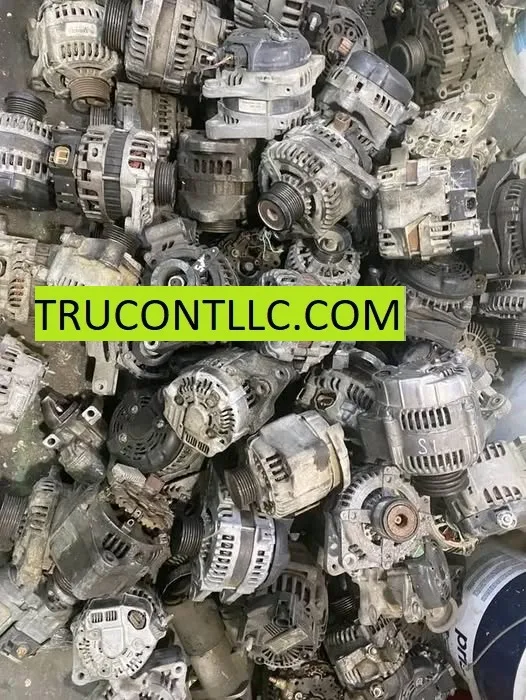
Introduction to Alternator Scrap
At Trucont LLC, we are a trusted trader and Alternator Scrap Supplier, providing quality recyclable materials to metal recycling companies, scrap dealers, exporters, importers, manufacturers, and industrial buyers across domestic and international markets. We specialize in sourcing and supplying different types of automotive alternator scrap to meet the growing requirements of the global metal recycling industry. Our focus is on dependable sourcing, consistent material quality, competitive pricing, and professional service.
Alternator scrap is an important category of automotive electrical scrap that contains valuable recoverable metals, including aluminum, copper, steel, and other metal components. These materials can be separated and processed through appropriate recycling operations for reuse in manufacturing and industrial applications. With increasing demand for recycled metals, automotive alternator scrap continues to offer valuable recovery opportunities for recycling businesses and metal processors.
At Trucont LLC, we understand the importance of supplying properly identified and handled alternator scrap. We work to connect buyers with suitable material grades, quantities, and loading arrangements while maintaining transparent communication throughout the trading process.
What Is Alternator Scrap?
Alternator scrap consists of used, damaged, non-working, or end-of-life automotive alternators collected from vehicles, automotive repair facilities, dismantling operations, and industrial sources. An alternator is an essential electrical component in vehicles because it generates electrical power and helps recharge the vehicle's battery while the engine is running.
When an alternator reaches the end of its useful life, it may be dismantled for component recovery or sold as scrap material. Although the unit may no longer function as an automotive electrical component, its metal content can still have considerable recycling value.
An automotive alternator generally contains several materials, such as:
Aluminum housing and casing.
Copper windings and electrical components.
Steel shafts and structural parts.
Iron-based components.
Bearings and other mechanical parts.
Insulation, plastic, and rubber components.
The exact composition depends on the alternator's manufacturer, model, size, and design. For this reason, buyers and processors should evaluate the material before establishing specifications and pricing.
Trucont LLC – Trusted Alternator Scrap Supplier
At Trucont LLC, we are committed to supplying recyclable scrap materials to customers who require reliable sourcing and professional trading services. Our alternator scrap supply operations focus on connecting automotive scrap sources with qualified recycling companies, metal recovery facilities, and international buyers.
We understand that every customer has different requirements regarding material condition, metal content, quantity, packaging, and delivery schedules. Our objective is to provide suitable alternator scrap solutions that support different recycling and recovery operations.
Whether buyers are looking for small quantities for specialized metal recovery or larger commercial shipments, Trucont LLC aims to provide dependable communication and coordinate supply arrangements according to availability.
Our business values include:
Reliable sourcing and supply arrangements.
Competitive and market-oriented pricing.
Clear material descriptions.
Consistent communication with buyers.
Flexible loading and shipping coordination.
Long-term business relationships.
Professional service for domestic and international customers.
Different Types of Alternator Scrap
Automotive alternators are manufactured in different sizes and configurations. Depending on their source, condition, and design, alternator scrap may be categorized into several types.
1. Small Alternator Scrap
Small alternator scrap generally comes from compact passenger vehicles and smaller automotive applications. These units may contain aluminum housings, copper windings, steel shafts, and other electrical components.
Small alternators are suitable for recycling operations that process automotive electrical scrap and recover individual metal fractions. Their compact size can also make sorting and handling more convenient.
2. Medium Alternator Scrap
Medium alternator scrap includes alternators commonly recovered from passenger vehicles, commercial vehicles, and other automotive applications. These units may vary in weight, construction, and internal metal composition.
Depending on their condition, medium alternators can be processed through dismantling, metal separation, and other suitable recycling methods.
3. Big Alternator Scrap
Big alternator scrap generally consists of larger and heavier alternator units used in trucks, buses, heavy-duty vehicles, and certain industrial applications.
These alternators may contain larger quantities of metal compared with smaller automotive units. Their actual recoverable metal content depends on the construction and design of each unit.
Large alternator scrap is suitable for professional recycling facilities equipped to handle heavier automotive components.
4. Mixed Alternator Scrap
Mixed alternator scrap consists of different sizes, brands, models, and conditions of used automotive alternators. This material may be suitable for buyers who have the equipment and facilities to sort and process mixed electrical scrap.
Before purchasing mixed alternators, buyers should confirm the expected material composition, contamination levels, and processing requirements.
Metal Composition of Alternator Scrap
One of the main reasons alternator scrap is valuable to recycling companies is its recoverable metal content. Different parts of an alternator contain different materials that can be separated and directed toward appropriate recycling processes.
Copper
Copper is commonly found in the stator windings and electrical components of alternators. It is valued for its electrical conductivity, durability, and versatility in manufacturing.
After suitable dismantling and separation, recovered copper can be recycled into new copper products, electrical components, cables, and other industrial materials.
The copper quantity varies according to the alternator's design, size, and construction.
Aluminum
Aluminum is frequently used in alternator housings and other structural components. It is lightweight, corrosion-resistant, and suitable for recycling.
Recovered aluminum can be processed and reused in the production of automotive components, castings, and other manufactured products.
Steel and Iron
Steel and iron-based materials may be found in shafts, bearings, cores, and other mechanical components. These materials can be separated and processed for ferrous metal recycling.
Other Materials
Alternators can also contain insulation, plastic, rubber, and other non-metallic materials. These materials should be identified and managed according to the receiving facility's processing capabilities and applicable environmental requirements.
Alternator Scrap Recycling Process
Recycling alternator scrap involves several stages designed to recover valuable metals while managing non-metallic materials responsibly.
1. Collection and Sourcing
Used alternators are collected from automotive workshops, vehicle dismantlers, scrap yards, and other approved sources. Proper sourcing helps establish the material's origin and condition.
2. Inspection and Sorting
Collected alternators are inspected and sorted according to size, type, condition, and material characteristics. Small, medium, and large units may be separated to make further processing more efficient.
3. Preparation
Depending on the recycling facility's requirements, alternators may be prepared for dismantling or mechanical processing. Unwanted external materials can be removed where appropriate.
4. Dismantling
Specialized equipment or suitable manual procedures may be used to separate different alternator components. This stage allows processors to recover copper windings, aluminum housings, steel parts, and other recyclable materials.
5. Metal Separation
Recovered components are separated according to their material types. Copper, aluminum, and ferrous metals are directed into their respective recycling streams.
6. Processing and Reuse
The separated metals can be processed through suitable recycling operations and supplied to secondary metal manufacturers for use in new industrial products.
Applications of Recovered Alternator Metals
Recovered metals from alternator scrap serve various industries because they can be processed into reusable raw materials.
Copper applications: Recovered copper may be used in electrical wiring, cables, motors, transformers, electrical equipment, and industrial components.
Aluminum applications: Recycled aluminum can be used in automotive parts, cast products, industrial components, construction materials, and other manufactured goods.
Steel and iron applications: Recovered ferrous metals can be processed for steelmaking and manufacturing applications, including machinery, structural products, and automotive components.
By recovering these materials, recycling businesses help reduce the demand for newly mined raw materials and support more efficient resource utilization.
Alternator Scrap Specifications
Alternator scrap specifications may vary depending on the material source, vehicle type, condition, and buyer requirements. Buyers should confirm the specifications before placing an order.
Specification Description
Product - Automotive Alternator Scrap
Material type - Mixed automotive electrical scrap
Available grades - Small, medium, big, and mixed
Main metals - Copper, aluminum, steel, and iron
Condition - Used, non-working, or end-of-life units
Form - Whole alternators or dismantled components
Color - Mixed colors depending on manufacturer
Packaging - Loose, bulk, palletized, or containerized
Sorting - Sorted or mixed, subject to availability
Loading - As agreed with the buyer
Inspection - Subject to buyer inspection and agreement
Quantity - According to available stock
End use - Metal recovery and recycling
Note: These are general trading specifications, not guaranteed composition figures.
Exact metal percentages, weights, contamination limits, and packaging should be confirmed for each shipment.
Packaging and Loading Options
At Trucont LLC, we understand that packaging and transportation are important considerations when trading automotive scrap materials. Alternator scrap can be prepared in different forms depending on the quantity, shipment requirements, and buyer preferences.
Available loading arrangements may include:
Loose loading.
Bulk loading.
Palletized material.
Container loading.
Sorted material by size or grade.
Mixed material loading, subject to agreement.
The appropriate loading method depends on the weight, dimensions, material condition, transportation arrangements, and applicable shipping regulations.
Buyers are encouraged to communicate their preferred packaging and loading requirements before confirming an order.
Why Choose Trucont LLC for Alternator Scrap?
Selecting a dependable scrap supplier is important for businesses involved in automotive scrap recycling and metal recovery. At Trucont LLC, we aim to provide reliable trading services and build long-term relationships with buyers and suppliers.
Reliable Supply: We work to establish dependable sourcing arrangements for different categories of recyclable materials, including automotive alternator scrap.
Different Material Grades: Our trading approach accommodates small, medium, large, and mixed alternator scrap, depending on stock availability.
Competitive Pricing: We aim to offer commercially competitive prices based on material quality, metal composition, quantity, market conditions, and transportation requirements.
Professional Communication: We believe clear communication is essential for successful domestic and international scrap trading.
Flexible Loading Arrangements: We coordinate loading and shipment requirements according to the buyer's specifications and available logistics.
Long-Term Partnerships: We value sustainable business relationships with recycling companies, manufacturers, metal processors, and international trading partners.
Environmental Benefits of Alternator Scrap Recycling
Recycling automotive alternators contributes to responsible resource management by recovering useful metals from end-of-life electrical components.
Copper, aluminum, and steel are valuable industrial resources. Recovering these materials allows them to re-enter manufacturing supply chains instead of being unnecessarily discarded.
Some important environmental benefits include:
Reducing the quantity of automotive waste sent to disposal facilities.
Recovering valuable metals for reuse.
Supporting more efficient utilization of natural resources.
Reducing demand for virgin raw materials.
Encouraging responsible automotive waste management.
Supporting circular economy practices.
Proper recycling also requires responsible handling of insulation, plastics, oils, and other unwanted materials. Professional recycling facilities should follow applicable environmental and safety regulations throughout the process.
Global Market Opportunities for Alternator Scrap
The demand for recyclable automotive components continues to create opportunities for scrap traders, exporters, importers, and metal recovery companies.
Alternator scrap is an important material within the automotive electrical scrap category because it contains multiple recoverable metals. Recycling businesses can benefit from purchasing suitable grades and processing them according to their operational capabilities.
Different buyers may have different priorities. Copper recovery businesses may focus on winding content, aluminum recyclers may prioritize housing materials, while mixed-metal processors may purchase complete alternator units for further separation.
At Trucont LLC, we aim to serve customers with different material requirements by coordinating supply opportunities and providing clear information about available products.
How to Buy Alternator Scrap from Trucont LLC
Customers interested in purchasing alternator scrap are welcome to contact Trucont LLC with their requirements. To help us understand your needs and coordinate a suitable supply arrangement, please provide the following information:
Required alternator scrap grade: small, medium, big, or mixed.
Preferred material condition: whole units or dismantled components.
Required quantity and purchasing frequency.
Packaging and loading preferences.
Destination port or delivery location.
Any specific material composition or inspection requirements.
Our team can discuss material availability, pricing, loading arrangements, and shipping coordination based on the order requirements.
Conclusion – Your Reliable Alternator Scrap Trading Partner
At Trucont LLC, we are committed to supplying recyclable materials and supporting the needs of automotive scrap dealers, recycling companies, metal processors, manufacturers, and international buyers. Alternator scrap represents an important source of recoverable copper, aluminum, steel, and other valuable materials that can be reused through proper recycling and metal recovery processes.
With a focus on reliable sourcing, competitive pricing, material identification, and professional customer service, we aim to establish long-term relationships with businesses in the global recycling industry.
Whether you are looking for small alternator scrap for sale, medium alternator scrap, big alternator scrap, or mixed automotive alternator scrap, Trucont LLC welcomes inquiries from buyers seeking dependable supply arrangements.
Contact Trucont LLC today to discuss your alternator scrap requirements and explore available supply opportunities.
Contact Us
Trucont LLC
Email: sales(AT)trucontllc. com
Website: trucontllc. com
Phone: +1 (206) 249-7024
Location: Seattle, Washington, United States
#alternatorscrapsupplier #alternatorscrapforsale #scrapalternatorsupplier