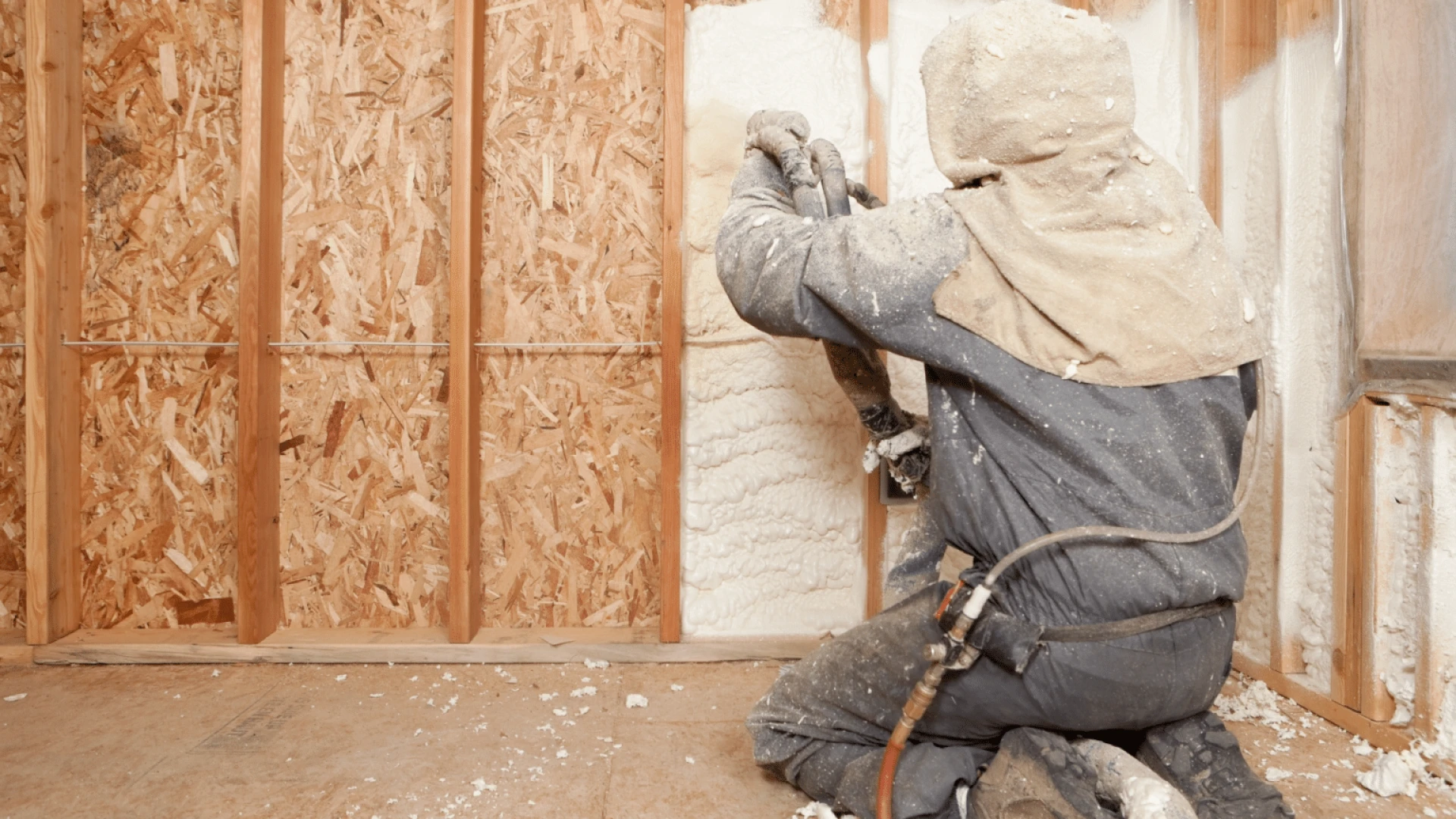
Property owners in South Florida face a persistent battle against extreme humidity and relentless heat, which are driving cooling costs to record highs. Traditional fiberglass and cellulose materials often fail to provide a complete air seal, allowing conditioned air to escape while humid outdoor air seeps into the structure. This constant air exchange forces HVAC systems to work overtime, leading to premature mechanical failure and inconsistent indoor temperatures.
Replacing ineffective materials with high-performance spray foam insulation in Wellington, FL, creates a permanent thermal envelope that addresses these inefficiencies at the source. This modern approach to building science ensures that every corner of a residential or commercial property remains comfortable and dry regardless of the weather outside.
Transforming Interior Comfort with Advanced Insulation Systems
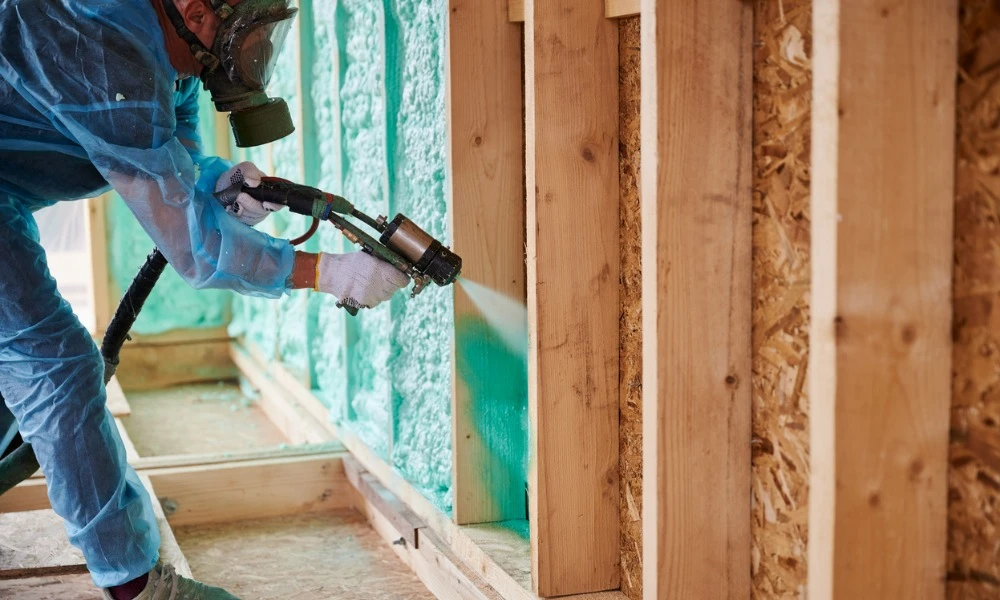
We at All in Overhall understand that a building is only as efficient as its weakest point in the thermal envelope. Our team specializes in applying high-grade spray foam that expands to fill every gap, crack, and crevice, creating a seamless barrier that traditional batts simply cannot match. By focusing on the structural needs of Wellington properties, we ensure that our applications provide long-term stability and energy savings for our clients. Our process involves a detailed assessment of existing conditions to determine the most effective application method for the building's specific architecture.
The Science of Air Barriers and Thermal Resistance
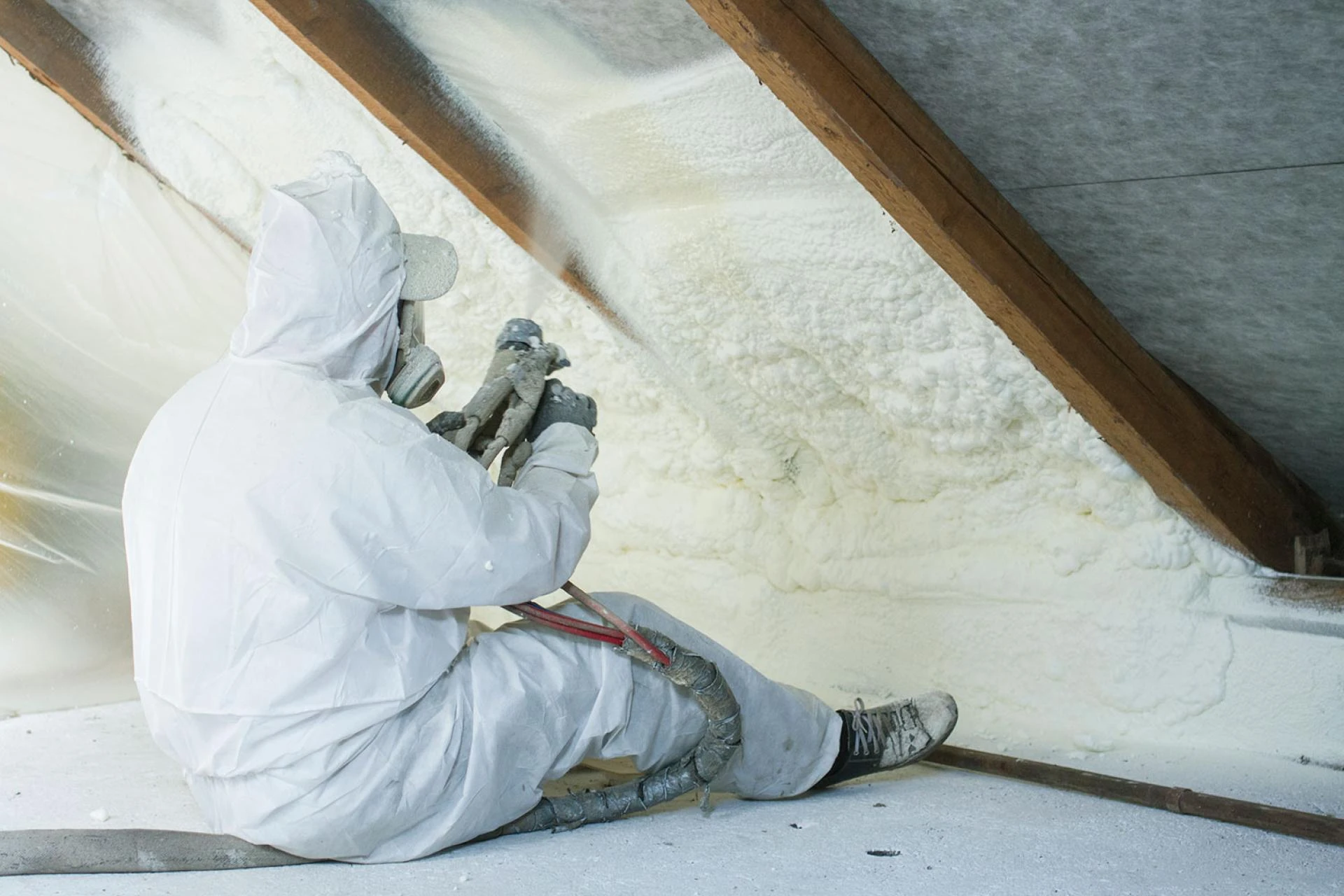
The primary advantage of the systems we install is the ability to provide both high R-value and a total air seal in a single application. Most heat transfer in a Florida home occurs through convection, where air moves through porous materials. Because our foam expands to 30 or even 100 times its liquid volume, it chokes off the paths where air usually leaks. This prevents the "stack effect" where cool air escapes from the bottom of the house, and hot air is pulled in through the attic.
Maximizing Structural Integrity and Longevity
Closed-cell variants of our products add measurable racking strength to a building's walls and roof decks. In areas prone to high winds and seasonal storms, this additional rigidity reinforces the entire structure. The foam bonds tightly to the substrates, creating a glue-like effect that helps hold the building together under pressure. This durability means the insulation will not sag, settle, or degrade over time, maintaining its performance for the life of the property.
Humidity is the greatest enemy of any structure in Wellington. When warm, moist air meets a cool surface inside a wall, condensation forms, leading to organic growth and wood rot. We use spray foam to move the dew point outside of the wall assembly. By preventing air from reaching cold surfaces, we eliminate the risk of hidden moisture buildup. This is especially vital in crawl spaces and attics where humidity levels are typically highest.
When a building is sealed correctly, the air conditioning system no longer needs to run 24/7 to maintain a set temperature. We often see that property owners can downsize their HVAC equipment when it comes time for replacement because the cooling load is significantly reduced. This leads to lower monthly utility bills and fewer mechanical system repairs, as systems are no longer pushed to their limits.
Specialized Insulation Applications for Diverse Property Types
Every project requires a custom strategy to achieve the best results, whether we are working on a small residential attic or a large industrial warehouse. Our team is equipped to handle the unique demands of different sectors, ensuring that the material choice aligns with the performance requirements of each space. We prioritize clean application and thorough prep work to protect the surrounding environment during the process.
Our comprehensive service offerings include:
- Residential spray foam insulation for existing homes and renovations
- Closed-cell spray foam for maximum R-value and structural reinforcement
- Open-cell spray foam insulation for superior sound dampening and cost-effective sealing
- Commercial spray foam insulation for retail, office, and industrial buildings
- Commercial insulation solutions for large-scale developments
- Residential insulation upgrades to improve home energy ratings
- Agricultural insulation for barns, stables, and storage facilities
- New construction insulation is integrated during the building phase
- Attic insulation to stop the primary source of heat gain
- Metal building insulation to prevent condensation and heat radiation
- Pole barn insulation for hobby shops and equipment storage
- Insulation removal for old, contaminated, or damaged materials
Commercial and Agricultural Efficiency
Businesses and farm owners in Wellington have specific climate-control needs. For agricultural buildings like pole barns and stables, maintaining a stable temperature is necessary for the health of livestock and the preservation of equipment. We apply specialized foam to metal buildings to stop the "oven effect" that occurs when the sun beats down on steel sheets. In commercial settings, we help businesses reduce their overhead by creating more efficient workspaces that keep employees comfortable and protect inventory from humidity damage.
Retrofitting Existing Residential Spaces
Many older homes in the area have outdated fiberglass that has become a haven for pests or has been flattened by dust and moisture. Our team manages the entire process of removing these old materials before applying new foam. This clean slate allows us to see the exact state of the roof deck or wall cavities, ensuring the new application is perfectly bonded. Retrofitting an attic with spray foam is one of the most effective ways to improve home comfort immediately.
Comparing Spray Foam Variants for Florida Properties
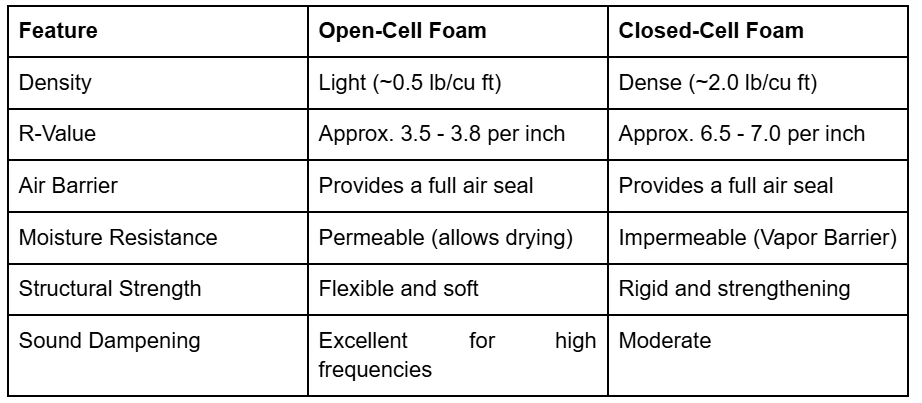
Choosing between open-cell and closed-cell options depends on the project's specific goals and the property owner's budget. Both materials offer excellent air sealing capabilities, but they differ in density, moisture permeability, and R-value per inch. We help our clients weigh these factors to ensure they receive the best value for their investment.
Closed-Cell vs. Open-Cell Performance
Closed-cell foam is the gold standard for areas with limited space or where moisture is a primary concern. Its high R-value allows for thinner applications while still meeting building codes. Open-cell foam is often preferred for interior walls and residential attics because it is more cost-effective while still providing the air-sealing benefits needed to stop heat transfer. It also serves as an effective sound barrier, making it ideal for media rooms or homes near busy roads.
Long-Term Performance and Sustainability Benefits
Investing in high-quality insulation is a decision that pays dividends for decades. Unlike blown-in materials that can blow around or settle, the products we use stay precisely where they are applied. This permanence ensures that the energy savings you see in the first year will continue for as long as you own the property.
We take pride in helping our clients create healthier living environments that are free from the drafts and hot spots that plague poorly insulated buildings.
Common Questions Regarding Property Insulation
How long does the installation process typically take for a standard home? Most residential attic projects can be completed in 1 to 2 days. This includes the time needed for site preparation, protecting your belongings, and the actual application of the foam. Larger commercial projects or those requiring extensive removal of old material may take longer depending on the square footage and accessibility.
Is it necessary to leave the property during the application? We recommend that occupants and pets vacate the premises during the spraying and for a specific period afterward to ensure proper ventilation. The safety of our clients is our top priority, and we follow all industry guidelines regarding re-entry times. We provide a clear schedule so you can plan your day with minimal disruption.
Does spray foam help with noise reduction between rooms? Open-cell foam is particularly effective at absorbing sound waves, which reduces the transmission of noise through walls and ceilings. While no material can make a room completely soundproof, the density and sealing properties of our foam significantly dampen common sounds like talking, television, or plumbing noises.
How does spray foam react to roof leaks? Closed-cell foam is water-resistant and can actually help prevent water from entering a building during a minor leak. However, if a major leak occurs, it is important to identify and fix the source. Open-cell foam is breathable, meaning if a leak occurs above it, the water will eventually drain through, alerting the homeowner to the problem rather than trapping moisture against the wood.
Choosing Efficiency for Your Wellington Property
Achieving a comfortable and energy-efficient building requires more than just a powerful air conditioner. It requires a strategic approach to the building envelope that addresses air leakage and thermal transfer.
We are dedicated to providing the highest level of service to ensure every project meets the rigorous demands of the Florida environment. Whether it is a new construction project or an upgrade to an existing home, the right insulation makes all the difference in long-term performance and comfort.
Secure Your Property's Future Performance
Proper insulation is the foundation of a high-performing building. It affects everything from your monthly budget to the longevity of your roof and HVAC system. We are All in Overhall, and we are committed to helping our neighbors in South Florida achieve the best possible results for their properties. We focus on precision and reliability in every application to ensure your space stays cool and dry.
All in Overhall supports performance-driven projects by using top-tier materials and experienced application techniques. We work closely with property owners to identify the best solutions for their specific needs and budget.
Ready to improve your property's efficiency? Contact All in Overhall today. Call (561) 406-3835 or email [email protected]
FAQs
What are the primary differences between spray foam and traditional fiberglass batts? Spray foam provides a complete air seal by expanding into every gap, whereas fiberglass batts often leave voids where air can leak through. Foam maintains its R-value over time and does not sag or settle like fiberglass, which can lose effectiveness as it ages or becomes damp. Additionally, spray foam acts as a barrier to pests and dust that often nest in or pass through traditional materials.
Can spray foam be applied directly to metal surfaces in commercial buildings? Yes, closed-cell foam adheres exceptionally well to metal and is a preferred solution for preventing condensation in steel buildings and pole barns. It creates a thermal break that stops the metal from radiating heat into the interior space. This application also helps prevent rust by keeping moisture away from the metal surface.
How does the application of foam in the attic affect the temperature of the space? By applying foam to the underside of the roof deck, we bring the attic into the "conditioned space" of the building. This can drop the attic temperature by 30 to 50 degrees during the summer. This change significantly reduces the heat load on the ceiling of the living areas and allows any ductwork located in the attic to operate much more efficiently.
Is spray foam insulation a fire-safe material for residential use? The products we use contain flame retardants and are tested to meet strict building codes and fire safety standards. When installed correctly by our team, these materials are safe for use in both residential and commercial applications. We ensure that all installations comply with local Wellington building regulations regarding thermal barriers and fire safety.
Will I need to change my ventilation setup after installing spray foam? Because spray foam creates such a tight seal, it is important to ensure your building still has proper mechanical ventilation for fresh air exchange. In many cases, the existing HVAC system handles this, but in very tight buildings, we may recommend specific solutions to ensure indoor air quality remains optimal. We evaluate your current setup to ensure the building remains "breathable" in a controlled and efficient manner.
Author: Richard Hall founded ALL IN OVERHALL, Your Local Spray Foam Insulation Company in Jupiter, FL, on January 3, 2022, to offer honest and reliable insulation services across South Florida. He focuses on clear communication and careful workmanship to improve comfort and reduce energy costs. His team helps homeowners and businesses create spaces that stay cooler and more efficient year-round.
Reviewer: Lucas Mitchell has 6 years of experience in spray foam insulation. He reviewed this article and helped refine the ideas to strengthen the brand's presence and reach homeowners seeking reliable insulation.