Choosing Air Sealing is the most cost-effective way to lower your energy bills and improve comfort in Spirit Lake. While new windows look great, they often take decades to pay for themselves through energy savings alone. Stopping air leaks at the source provides a much faster return on your investment.
This guide explores why sealing gaps often beats out window projects for homeowners in North Idaho. You will find data on costs, performance, and specific local climate factors that influence these choices. Air Sealing experts agree that addressing the building shell first is the smartest move for your wallet.
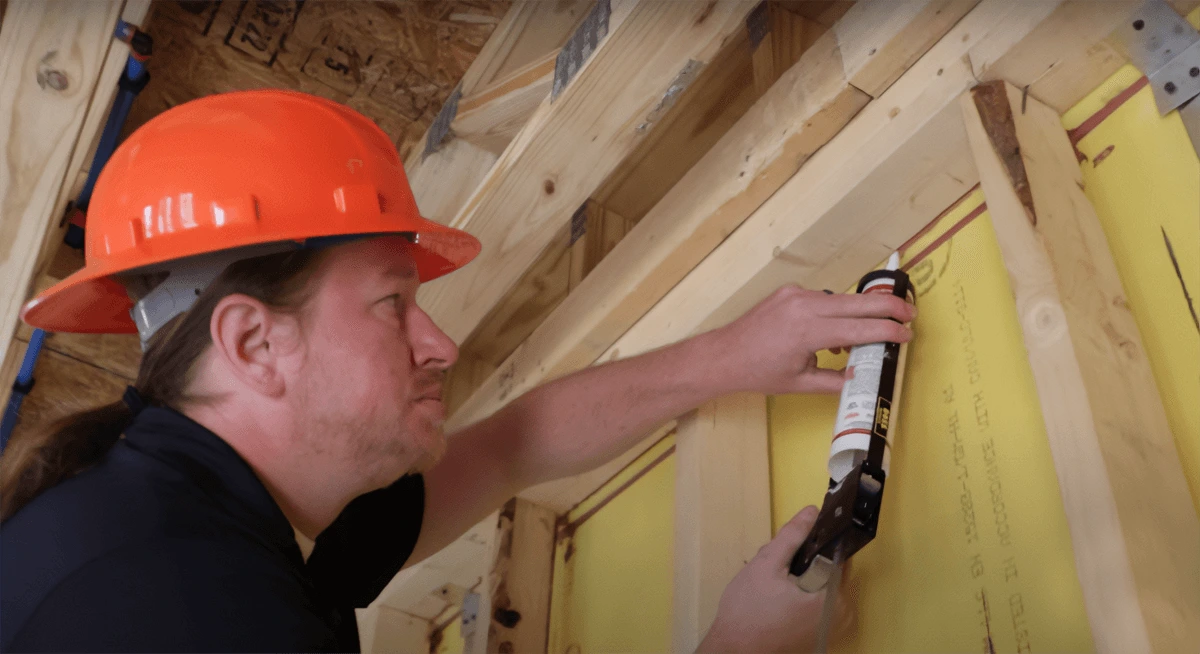
The Real Impact of Air Leaks on Your Monthly Bills
Most people think windows are the main cause of drafts, but the biggest leaks are usually hidden. Air escapes through your attic, basement, and around plumbing pipes. This process, known as the stack effect, pulls cold air into your home from the bottom and pushes warm air out through the top.
Focusing on home air leak repair targets these invisible holes that let your heated air vanish. When you stop this cycle, your furnace does not have to work as hard to maintain a steady temperature. This leads to immediate drops in your monthly utility costs.
Spirit Lake experiences harsh winters in which temperatures remain below freezing for weeks. In this environment, a house that lacks proper thermal envelope sealing will lose heat rapidly. Repairing these leaks costs a fraction of buying a single high-end window.
Comparing Investment Costs and Payback Periods
A full window replacement for an average home can cost tens of thousands of dollars. Even with energy-efficient glass, the actual reduction in your bill might only be 10 to 15 percent. It can take 20 years or more for that money to come back to you.
Professional gap and crack sealing usually costs a few thousand dollars, depending on the size of your home. Because it addresses the areas where 30 to 40 percent of your heat is lost, the payback period is often less than five years. This makes it a superior financial choice for most property owners.
The following table shows a basic comparison of these two upgrades for a typical 2,000-square-foot home in Idaho.

Why Windows Are Often a Secondary Priority
Windows are definitely part of your home insulation solutions in Spirit Lake, ID, but they are rarely the primary culprit for high bills. Modern double-pane windows are already quite good at slowing heat transfer. The frame around the window is usually where the actual leak happens, not the glass itself.
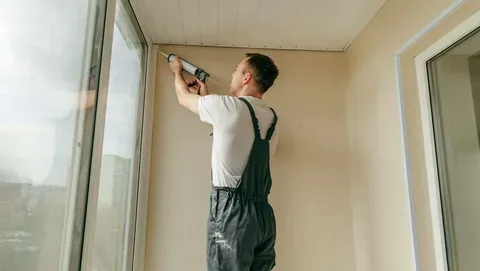
Instead of replacing the entire unit, you can often achieve similar results by improving the airtightness of the building envelope around existing frames. Using high-quality sealants or weatherstripping can fix drafty windows for a tiny portion of the replacement cost.
How Spirit Lake Weather Affects Your Decision
The local climate in Kootenai County requires a home that can handle extreme temperature swings. In the summer, the sun beats down on your roof, heating the attic to dangerous levels. If your ceiling is not airtight, that heat moves directly into your living space.
During the winter, the heavy snow load on your roof can also affect how air moves through your home. A house with poor home air leak repair is likely to suffer from ice dams. These happen when warm air leaks into the attic, melts the snow, and causes water to back up under your shingles.
Proper thermal envelope sealing keeps the heat inside your rooms and out of your attic. This protects your roof structure and keeps your home much safer during the peak of winter. It is a practical necessity for anyone living in the North Idaho panhandle.
Essential Steps for a Tight Building Shell
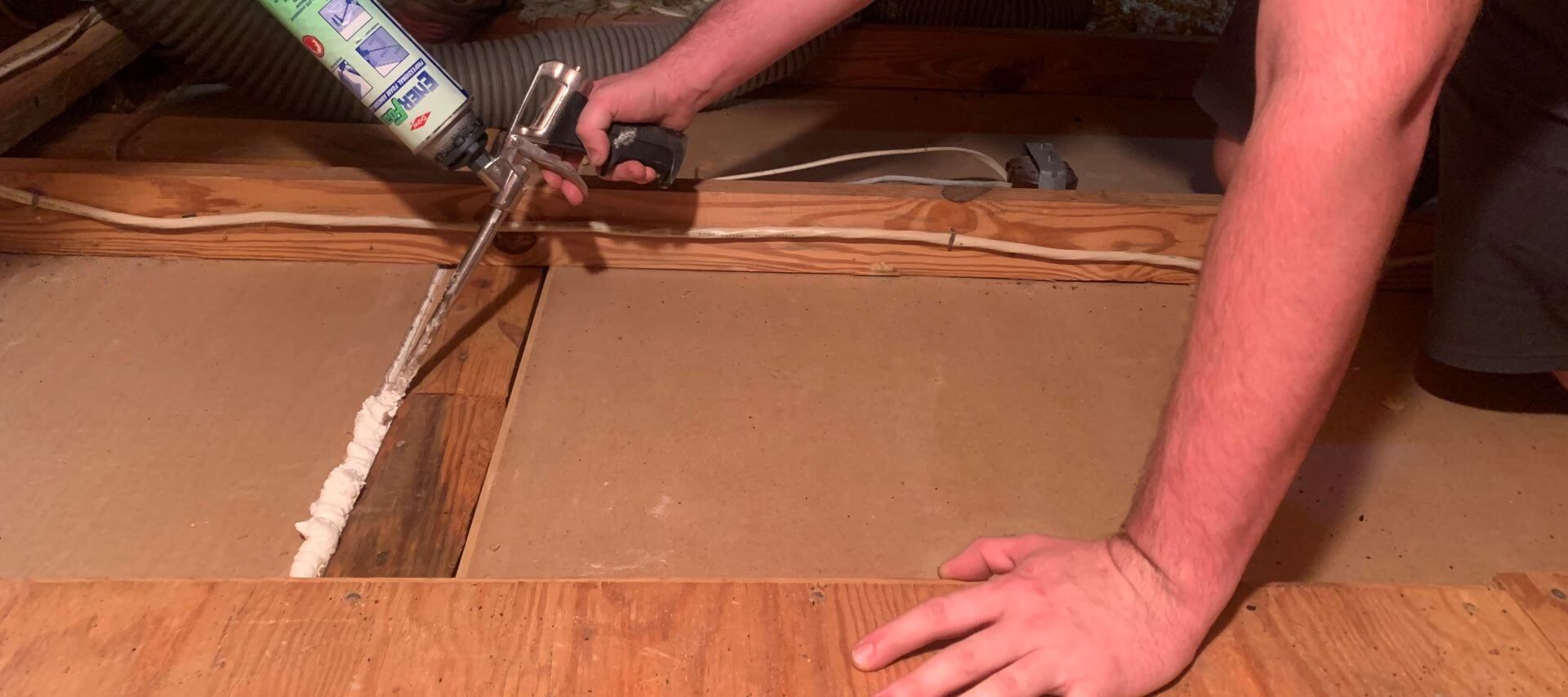
The process starts with a thorough inspection of the attic floor and the basement rim joists. Technicians look for dark spots in existing insulation, which often indicate where air is moving through. They then use specialized materials to permanently plug these holes.
- Seal all wire and pipe penetrations going into the attic.
- Apply foam to the top plates of interior walls.
- Check the seal on your attic hatch or pull-down stairs.
- Insulate and seal the rim joists in the crawl space or basement.
By focusing on these areas, you ensure that your building envelope airtightness is at its peak. This prevents the "chimney effect" from sucking cold air through your floorboards and electrical outlets.
Things to Consider Before You Start Your Project
Before you spend money on any energy upgrade, you need to know where your house is failing. A blower door test is a great way to see exactly how much air is escaping. This test uses a large fan to depressurize your home and highlight every leak.
You should also look at the age of your current insulation. If it is old and settled, it might be the right time to combine gap and crack sealing with a fresh layer of blown-in material. Doing both at once saves on labor costs and maximizes your comfort.
Evaluating Your Long-Term Property Goals
Think about your long-term goals for the property as well. If you plan to sell in two years, a major window project will not return its value. However, a sealed, well-insulated home is a major selling point that demonstrates the house is well-maintained and affordable to run.
Bonus Tips for Idaho Homeowners
- Check your local utility providers for rebates. Many companies in Idaho offer cash back for professional sealing and insulation work.
- Don't forget the "hidden" door to the outside. An unsealed fireplace damper can be like leaving a window open all winter long.
- Use low-expansion spray foam around window and door frames to prevent wood warping while still stopping the wind.
The Connection Between Air Flow and Air Quality
Stopping leaks does more than save money; it also keeps your indoor air cleaner. When a house is drafty, it pulls in dust, pollen, and moisture from the crawl space or attic. This can lead to allergies and even mold growth in hidden areas.
A professional home air leak repair project includes checking for proper ventilation. You want to "seal tight and ventilate right." This means you control where the air comes from, rather than letting it seep in through dirty cracks in the foundation.

When Window Replacement Makes Sense
There are times when windows should be your priority. If your frames are rotting or the glass is cracked, sealing won't help much. If you have single-pane windows with metal frames, the thermal bridge is so strong that the glass stays freezing cold to the touch.
In these cases, the upgrade is more about structural integrity and comfort than just energy bills. If you choose to replace them, ensure the installers focus on sealing gaps and cracks around the new frames. Even the most expensive window will fail if air can blow around the edges.
Achieving Maximum Comfort Throughout the Seasons
A sealed home feels different than a leaky one. You will notice fewer cold spots, and the temperature will stay consistent from room to room. In Spirit Lake, this means you can sit by a window in January without feeling a chill on your neck.
Consistent airtightness of the building envelope also makes your home quieter. It blocks out the sound of traffic, wind, and neighbors. It turns your house into a true sanctuary where the outside environment stays outside.
Finding the Right Professional for the Job
Not all contractors understand the science of air movement. You need a team that looks at the house as a whole system. They should be able to explain how thermal envelope sealing works in conjunction with your HVAC system and insulation.
Ask for a detailed plan that shows exactly which areas they intend to target. A reputable provider will prioritize the attic and basement, as these offer the highest returns. They should also use high-quality, durable materials that won't shrink or degrade over time.
Choosing a Trusted Partner for Your Energy Upgrades in Spirit Lake
If you are ready to make your home more efficient and comfortable, consulting with a local expert is the best next step. Selkirk Energy Solutions provides top-tier services to help you identify the best ways to save money. Their team specializes in everything from crawl space encapsulation to specialized insulation techniques. You can reach them at (208) 295-9780 or via email at [email protected] to discuss your specific needs and receive a free quote. Whether you need a detailed inspection or a professional implementation for your next project, they offer the regional expertise required for the North Idaho climate. Visit them online or check their location at https://maps.app.goo.gl/nboGcT5t7bs7NsyKA to see how they can help you improve your property today.
Summary of Energy Saving Priorities
In summary, while window replacements offer aesthetic value, Air Sealing stands out as the most practical choice for immediate energy savings. By focusing on the attic, foundation, and hidden gaps, you address the primary sources of heat loss in the Spirit Lake climate. This approach ensures a faster return on investment and a more comfortable living environment year-round. Always evaluate the current state of your home and prioritize the repairs that offer the greatest impact on your utility bills and structural health.
Common Questions Regarding Home Efficiency
How do I know if my home needs sealing?
If you feel drafts near outlets, see cobwebs in the corners of your ceiling, or notice your furnace running constantly, you likely have air leaks. A blower door test can provide a definitive answer.
Will sealing my home make it too tight for fresh air?
Most older homes are very leaky, so sealing them just brings them to a healthy level. Professionals always ensure there is enough natural or mechanical ventilation to keep the air fresh.
Can I do these repairs myself?
You can seal basic gaps around windows and doors with caulk. However, the most important leaks are in the attic and require professional equipment and knowledge to fix safely and effectively.
Does air sealing help with summer cooling?
Yes, it prevents hot attic air from pushing down into your home. This keeps your air conditioning from working overtime during the hot Idaho summer months.
Is there a tax credit for these services?
Yes, federal programs like the Energy Efficient Home Improvement Credit allow you to claim a percentage of the cost for weatherization and sealing on your taxes.