Security technology has evolved rapidly over the past decade. Property owners now face a choice between advanced automation and conventional surveillance setups. While some prefer smart analytics and automation, others trust time-tested camera networks.
Understanding the strengths and limitations of AI-powered security systems and traditional CCTV systems helps homeowners and business owners make confident decisions based on budget, risk level, and operational needs.
Understanding Traditional Security Systems
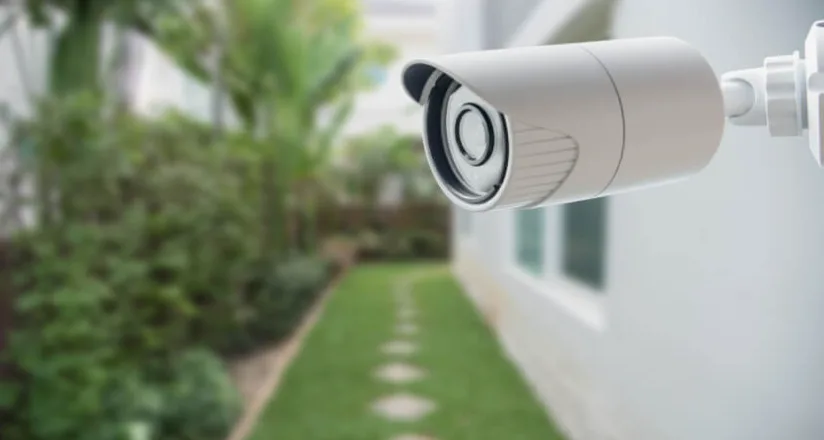
Traditional surveillance setups rely on fixed cameras, recording devices, and manual monitoring. These systems focus on capturing footage rather than analyzing it in real time. For many years, traditional systems have served as the foundation of residential and commercial security.
They provide consistent recording and basic motion detection without advanced automation. Businesses that already use structured setups like commercial security systems often began with these conventional camera networks.
Key Features of Traditional Systems
- Continuous video recording
- Manual playback review
- Basic motion alerts
- Local DVR or NVR storage
- Wired infrastructure
These features make them reliable but less responsive to complex threats.
What Makes AI Powered Security Systems Different
AI powered security systems use artificial intelligence to analyze footage instantly. Instead of simply recording activity, these systems identify patterns, detect unusual behavior, and reduce false alerts.
Unlike traditional systems, AI-based solutions can distinguish between a passing car and a potential intruder. This smart detection allows property owners to respond faster and more accurately.
Core AI Capabilities
- Facial recognition technology
- License plate identification
- Behavioral pattern detection
- Automated alert filtering
- Cloud-based analytics
These features make intelligent systems proactive rather than reactive.
Cost Comparison: Initial Investment vs Long Term Value
Budget plays a major role when choosing between AI-powered security systems and traditional CCTV systems. Conventional systems usually require lower upfront investment. However, AI-based setups may reduce long-term monitoring costs through automation.
Below is a side-by-side comparison.
FeatureTraditional SystemsAI-Based SystemsInitial CostLowerModerate to HigherSmart DetectionBasic MotionAdvanced RecognitionFalse AlertsMore CommonSignificantly ReducedMonitoringManual ReviewAutomated AlertsStorageLocal DVRCloud or HybridScalabilityModerateHighChoosing wisely depends on how much automation and efficiency your property requires.
Accuracy and Threat Detection
One major difference between AI-powered security systems and traditional CCTV systems lies in detection accuracy. Conventional cameras capture everything but cannot interpret context.
AI systems analyze movement and behavior in real time. This allows quicker identification of suspicious activity and minimizes unnecessary alerts.
Benefits of Improved Accuracy
- Reduced false alarms
- Faster emergency response
- More efficient monitoring
- Lower risk of missed threats
- Better evidence documentation
Improved detection can enhance overall security confidence.
Maintenance and Technical Requirements
Traditional setups often rely on physical wiring and on-site recording equipment. Maintenance typically includes hardware checks and storage management.
AI powered security systems, while advanced, may require software updates and stable internet connectivity. Cloud integration adds convenience but also demands reliable network infrastructure.
Maintenance Considerations
- Hardware inspections
- Firmware updates
- Storage capacity checks
- Network security monitoring
- Equipment warranty coverage
Understanding these factors ensures long-term performance.
Integration With Other Systems
Modern properties often require centralized control. AI powered security systems integrate easily with smart access control, lighting automation, and mobile platforms.
Traditional systems can integrate as well, but usually with limited automation features. Businesses expanding into advanced networks may also review display configurations, such as tv mount types for optimized monitoring room setups.
Smart Integration Advantages
- Centralized control dashboards
- Mobile application access
- Automated lighting triggers
- Remote system management
- Scalable cloud storage
Integration enhances operational efficiency.
Privacy and Data Protection
Data protection is critical for both systems. Traditional systems store footage locally, which may limit remote vulnerability but increase physical theft risks.
AI-powered security systems often rely on encrypted cloud storage, adding remote accessibility while requiring strong cybersecurity protocols.
Privacy Considerations
- Secure password management
- Data encryption standards
- Access control permissions
- Compliance with local regulations
- Regular software updates
Proper configuration ensures secure video management.
Business Applications and Scalability
Businesses benefit greatly from scalable solutions. AI powered security systems support expansion without replacing core infrastructure.
Traditional systems may require additional hardware installations for expansion, which increases labor costs. For growing enterprises, scalability is often a deciding factor.
Commercial Benefits of AI
- Automated reporting
- Real-time behavioral alerts
- Centralized multi-location monitoring
- Reduced staffing requirements
- Improved operational oversight
These capabilities make AI systems appealing for larger operations.
When Traditional Systems Still Make Sense
Despite technological progress, traditional CCTV systems remain practical in many situations. Small properties with minimal risk exposure may not require advanced analytics.
Budget-conscious homeowners often prefer conventional recording setups due to lower initial investment and simpler configuration.
Ideal Scenarios for Traditional Systems
- Small retail stores
- Residential properties
- Low traffic offices
Budget-limited installations - Areas with stable crime rates
In these cases, reliable recording may be sufficient.
Which Option Is Better Overall
There is no universal answer. AI-powered security systems offer intelligent detection and automation, making them ideal for complex environments. Traditional systems provide dependable recording at a lower upfront cost.
Your decision should consider property size, risk level, expansion plans, and budget flexibility. Businesses requiring advanced monitoring may benefit from AI integration, while smaller properties may find traditional systems adequate.
Conclusion
Both AI-powered security systems and traditional CCTV systems serve important roles in modern protection strategies. Intelligent automation offers efficiency and advanced detection, while conventional setups provide proven reliability at a lower entry cost.
Choosing the right solution depends on your operational needs and financial priorities. D & G Alarm Systems helps property owners evaluate options carefully, ensuring balanced protection that aligns with both safety expectations and budget considerations.
Investing in the right technology today strengthens security for years to come.
FAQs
1. Are AI-powered security systems more expensive than traditional options
Yes, they generally require higher upfront investment but may reduce long-term monitoring costs.
2. Do traditional systems still provide reliable protection
Yes, they offer consistent recording and effective deterrence for many properties.
3. Can AI systems reduce false alarms
Yes, intelligent detection significantly lowers unnecessary alerts.
4. Which system is better for small businesses
Smaller businesses may prefer traditional setups, while larger operations benefit from AI automation.
5. Is the internet required for AI security systems
Most AI systems rely on stable internet connectivity for cloud processing and remote access.