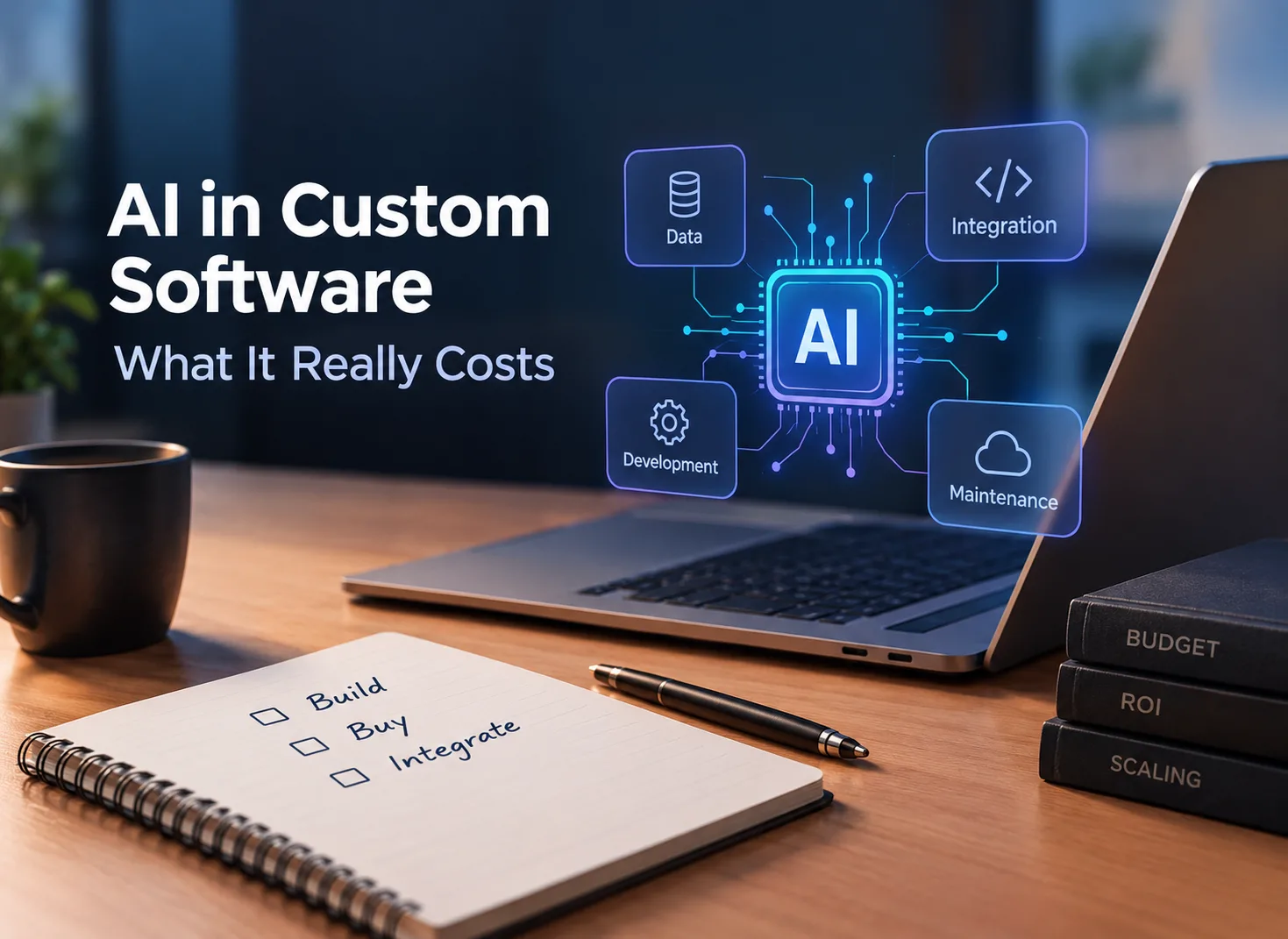

Artificial intelligence (AI) is no longer a futuristic concept—it's embedded deeply in our everyday technology. From smart homes that anticipate our needs to wearables that track our health in real-time, AI-Power in Everyday Technology is transforming how we live, work, and play in 2025. This article explores the most impactful AI applications shaping consumer tech, including smart devices, voice assistants, IoT integration, and productivity tools. Readers will learn how AI-powered gadgets boost convenience, efficiency, and personalization, plus how to wisely choose and use these intelligent devices.
Evolution of AI-Power in Everyday Technology
Since the early 2020s, AI applications in consumer technology have evolved rapidly. Initially limited to basic automation—like scheduled smart thermostats or voice commands—AI has shifted toward ambient intelligence and edge AI, where devices analyze data locally with minimal latency. This evolution enables seamless interactions and smarter decision-making without constant cloud dependence.
Today, AI-Power in Everyday Technology thrives in smart homes, IoT ecosystems, and wearables. Devices are interconnected, learning from users’ habits to provide context-aware assistance. For instance, AI-enabled smart cameras can distinguish between family members and strangers, while edge AI in wearables offers faster health data insights without compromising privacy.
Why AI-Power in Everyday Technology Matters in 2025
AI in daily life delivers three core benefits: enhanced convenience, tailored personalization, and improved productivity. Smart AI tech anticipates needs—adjusting home temperatures before you arrive or filtering emails based on urgency.
Cost-performance has also improved significantly. AI-enabled devices today offer better functionality at lower prices, making advanced tech accessible to a broader audience. Moreover, AI-driven energy management supports sustainability by optimizing power use, aligning with the growing trend of Green AI to reduce environmental impact.
Context-aware, voice-first interfaces further simplify user interaction. Ambient computing blends digital assistance naturally into everyday surroundings, allowing hands-free control and effortless multitasking.
Key Areas of AI-Powered Everyday Tech
Smart Home & IoT Devices
Smart thermostats use AI to learn your schedule and climate preferences, minimizing energy waste. AI-powered security cameras identify unusual activity and alert homeowners in real-time. Vacuum robots navigate complex layouts using AI algorithms for efficient cleaning. In the kitchen, AI assistants help with meal planning, ingredient recognition, and appliance automation.
Edge processing allows these devices to operate with less dependence on cloud services, ensuring faster responses and enhanced privacy.
AI Assistants & Voice Interfaces
Virtual assistants like Alexa, Google Assistant, and Siri now offer conversational AI that personalizes responses based on user behavior. Chatbots embedded in daily apps streamline tasks such as scheduling, shopping, and information retrieval. Multilingual AI assistants support global users with seamless language switching.
Personalized user interaction powered by machine learning helps these AI assistants adapt to individual preferences, improving accuracy and relevance over time.
Wearables & Mobile AI
Smartwatches and fitness trackers integrate AI to monitor health metrics—heart rate variability, sleep quality, and stress levels—with real-time feedback. AI in smartphones enhances photography through scene recognition, automated editing, and personalized recommendations.
Biometric sensors powered by AI provide continuous health monitoring, alerting users to irregularities promptly. Mobile apps leverage generative AI for smarter content creation, travel assistance, and financial management.
Productivity & Personal AI Tools
AI writing assistants improve content quality and speed. Task schedulers and email filters reduce cognitive load by automating routine workflows. AI-powered code helpers accelerate software development, while AI chatbots offer instant customer service.
These tools increase productivity by anticipating needs, filtering distractions, and personalizing experiences to align with user intent.
How to Choose AI-Powered Devices Wisely
When selecting AI-enabled devices, consider their AI features, data privacy, and ongoing support. Devices that process data on-device (edge AI) typically offer better privacy and faster responses compared to cloud-dependent models.
Battery life and offline capabilities are critical—AI functions should not overly drain power or require constant internet access. Responsible AI design, emphasizing sustainability (Green AI) and transparency, is also increasingly important.
Look for devices from manufacturers committed to regular updates and ethical AI practices to avoid obsolete or biased technology.
AI-Powered Trends & Emerging Innovations
2025 brings exciting advances such as generative AI integrated into home apps that create personalized music, lighting, or wellness routines. Multilingual edge assistants enable global communication without internet dependency.
Real-time analytics and semantic understanding allow devices to predict user intent more accurately, enhancing personalization. Swarm intelligence in IoT networks lets multiple devices collaborate to optimize home management and energy consumption.
Ambient and edge intelligence continue to drive smarter, faster, and more secure AI experiences in consumer electronics.
Common Misconceptions & Safety Tips
Despite its promise, AI has misconceptions. Not all AI assistants “understand” like humans; hallucinations or errors can occur in generative AI outputs. Over-automation risks loss of control and user frustration.
Privacy is a genuine concern—choose devices with transparent data handling and customizable privacy settings. Ethical AI practices help mitigate bias and ensure technology benefits all users fairly.
Stay informed about device updates and practice cautious integration of AI tech to balance convenience with control.
FAQs
What is AI-Power in Everyday Technology?It refers to the integration of artificial intelligence into daily-use devices and applications, enhancing automation, personalization, and efficiency in consumer tech.
Are AI-powered smart home devices safe?Yes, when designed with robust security and privacy features. Edge AI devices often provide safer data processing by minimizing cloud exposure.
How does AI in wearables benefit productivity?By offering real-time health insights, automated notifications, and smart reminders, AI wearables help users maintain focus and manage well-being.
Can AI assistants work offline?Some edge AI assistants can operate offline with limited features, improving privacy and availability without internet reliance.
What is Green AI in consumer tech?Green AI focuses on designing AI systems and devices that minimize environmental impact through energy efficiency and sustainable materials.