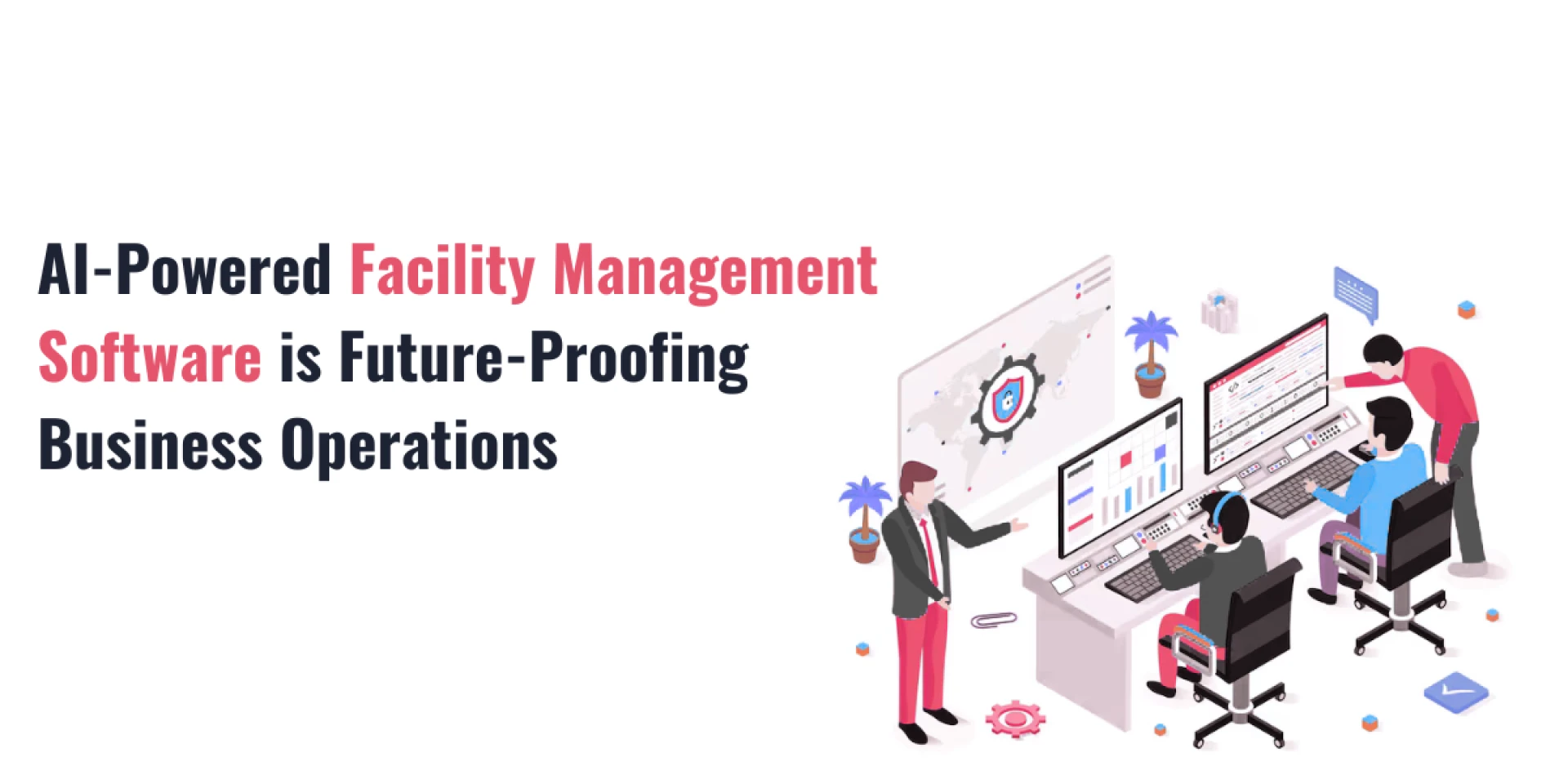
In today’s fast-paced, ever-evolving business landscape, staying ahead of operational challenges is critical for long-term success. One domain that has traditionally lagged in adopting transformative technologies is facility management. However, with AI-powered solutions, facility management is undergoing a paradigm shift. AI-powered facility management software is not just improving existing workflows. Still, it is actively future-proofing business operations by predicting issues before they occur, automating routine tasks, and offering data-backed insights that enhance strategic decision-making.
The Rise of Intelligent Facility Management
Facility management is no longer restricted to maintenance checklists or manual inspections. AI-powered solutions are making these traditional practices obsolete by automating operations such as energy consumption monitoring, HVAC control, and predictive maintenance. These smart systems analyze large sets of data in real time, identify usage patterns, and suggest ways to optimize resources. This shift from reactive to proactive management is making businesses more agile and cost-effective.
With facility management software development gaining traction, companies now have access to platforms that incorporate AI, machine learning, and IoT to deliver seamless, smart operations. These platforms not only reduce human errors but also ensure that facilities are running efficiently without unnecessary downtime. Businesses are leveraging AI to anticipate faults before they become expensive breakdowns, creating an ecosystem that is both sustainable and scalable.
Predictive Maintenance Reduces Costs and Increases Longevity
One of the biggest advantages of integrating AI into facility management is predictive maintenance. Traditional maintenance practices typically follow scheduled intervals or rely on employee observations. These methods often lead to either under-maintenance or over-maintenance, both of which are inefficient and costly. AI changes this model by using real-time data from sensors embedded in equipment to predict failures before they occur.
This capability drastically reduces maintenance costs and extends the lifespan of machinery and infrastructure. For example, an AI system monitoring a building’s HVAC can detect slight anomalies in temperature control, alerting facility managers well in advance. This allows for minimal disruptions and avoids emergency repairs, which are usually much more expensive and inconvenient.
Smart Energy Management for Sustainable Operations
Sustainability is no longer a buzzword but a business imperative. Energy consumption forms a significant portion of operational costs for any facility. AI-powered facility management software provides granular insights into energy usage patterns, helping organizations implement measures to reduce waste and optimize consumption.
These AI systems can automate lighting, heating, cooling, and other utilities based on real-time occupancy and environmental data. This ensures that energy is used only when necessary, leading to substantial cost savings and contributing to environmental sustainability. Furthermore, AI can suggest long-term changes to building design or equipment upgrades that improve overall energy efficiency.
Facility management software development has reached a point where integration with renewable energy sources is seamless. AI can analyze the performance of solar panels, forecast energy generation, and switch between energy sources intelligently to reduce costs and improve the carbon footprint.
Automated Space Management for Maximum Utilization
Post-pandemic, the way organizations use physical space has changed dramatically. Hybrid work models, flexible seating, and downsizing of office spaces have made it crucial for businesses to manage space more effectively. AI-powered facility management software is helping organizations adapt to this new normal by offering automated space planning and utilization analytics.
The software uses data from motion sensors, entry logs, and employee scheduling tools to determine how different areas of the facility are being used. Based on these insights, facility managers can reconfigure layouts, reduce underutilized spaces, and make informed decisions about leases and expansions. This level of insight was previously unattainable with traditional management systems.
Furthermore, AI can simulate different space utilization scenarios based on anticipated business growth or downsizing, enabling companies to plan for the future with confidence. These simulations help in designing flexible workspaces that adapt as the organization evolves.
Enhanced Safety and Compliance Through Automation
Workplace safety and regulatory compliance are critical for any facility. However, manually keeping track of safety inspections, compliance reports, and certifications can be a daunting task, especially in large facilities. AI-powered systems bring automation to this domain, ensuring nothing falls through the cracks.
Facility asset management software equipped with AI can automatically schedule and conduct virtual inspections, analyze footage from security cameras, and generate compliance reports. These systems can also alert managers when certifications are about to expire or when a potential safety risk is detected.
For instance, AI can detect unusual patterns from CCTV cameras and notify security personnel of a possible intrusion. Similarly, it can analyze environmental factors like air quality and temperature to ensure that the facility complies with occupational health and safety regulations. This proactive approach to safety helps organizations avoid fines, legal troubles, and reputation damage.
Data-Driven Decision Making for Long-Term Success
One of the most transformative benefits of AI-powered facility management software is its ability to turn vast amounts of data into actionable insights. Every component of a facility—from lighting and heating systems to elevators and conference rooms—generates data. AI analyzes this data to uncover trends, inefficiencies, and opportunities for improvement.
Facility managers and business leaders can use these insights to make informed decisions regarding upgrades, investments, and policies. For example, data may reveal that a particular wing of the office consumes more electricity due to outdated lighting. This insight enables targeted upgrades, reducing costs and improving performance.
Over time, the continuous analysis of data results in a comprehensive picture of how the facility operates. This knowledge becomes invaluable when planning for future expansions, sustainability initiatives, or operational changes. In essence, data-driven decision-making sets the foundation for a more resilient and agile business.
Integration with IoT Devices for Real-Time Monitoring
The Internet of Things (IoT) is a crucial enabler of AI in facility management. Smart sensors, thermostats, lighting systems, and surveillance devices continuously generate real-time data, which is processed by AI algorithms for immediate analysis and response. This interconnected ecosystem enhances operational efficiency and responsiveness.
With real-time monitoring, facilities can react instantly to events such as equipment malfunctions, security breaches, or sudden environmental changes. This level of responsiveness minimizes disruptions and ensures optimal functioning at all times.
Facility management software development today focuses on seamless IoT integration, enabling plug-and-play functionalities for smart devices. The ability to connect a wide variety of devices under one unified system ensures holistic oversight and streamlined operations.
Improving Employee Experience and Productivity
Modern employees expect their work environments to be comfortable, efficient, and responsive to their needs. AI-powered facility management tools contribute to creating such environments by personalizing workspace settings and reducing disruptions.
For instance, AI can adjust room temperatures based on occupancy preferences or schedule cleaning services during non-peak hours. Additionally, facility asset management software can enable employees to report issues through mobile apps, which are then automatically categorized and addressed by AI-driven ticketing systems.
Such improvements in the work environment lead to higher employee satisfaction and productivity. In the long run, this contributes to better talent retention and a more collaborative organizational culture.
Scalability and Adaptability for Future Growth
As businesses grow, so do their facility management needs. AI-powered systems offer the scalability required to manage multiple locations, varied infrastructure, and expanding teams. Unlike traditional systems that often require manual reconfiguration, AI platforms adapt automatically to new inputs and environments.
This adaptability ensures that businesses do not need to overhaul their facility management systems every few years. Instead, they can scale operations with ease, whether they’re opening new offices, integrating acquisitions, or modifying facilities to accommodate changing business goals.
Facility management software development companies are increasingly focusing on creating modular and flexible platforms that grow with businesses. These systems are not only customizable but also future-ready, incorporating features that accommodate emerging technologies and regulatory changes.
Future Trends and the Role of AI
The future of facility management lies in intelligent, self-learning systems that continuously evolve. AI models are becoming more sophisticated, with capabilities such as natural language processing, anomaly detection, and even emotional analytics. These advancements will enable more intuitive user interfaces, deeper insights, and even predictive behavioral analysis of occupants.
Furthermore, integration with blockchain for secure data sharing, augmented reality for remote facility tours, and edge computing for faster decision-making are on the horizon. AI will remain the linchpin of all these innovations, making facility management not just smarter but also more secure and efficient.
Conclusion
AI-powered facility management software is not just a technological upgrade—it is a strategic investment that prepares businesses for the future. From predictive maintenance and energy optimization to real-time monitoring and data-driven decision-making, AI is transforming how organizations manage their physical spaces.
As the demands of modern business continue to evolve, so must the systems that support them. Facility management software development that integrates AI capabilities offers organizations a way to remain competitive, sustainable, and responsive to both current and future needs.
By embracing these intelligent solutions, businesses can reduce operational costs, enhance employee satisfaction, and ensure that their facilities are not just managed but optimized for excellence. With AI leading the charge, facility management is no longer a background function but a core contributor to strategic growth and operational resilience.