In today’s fast-paced business environment, organizations are inundated with data from a multitude of sources—cloud applications, IoT devices, social media, internal databases, and more. Managing this data effectively has become one of the most significant challenges for businesses aiming to make informed decisions. Traditional data integration methods often fall short in handling large-scale, complex, and real-time data. This is where AI-powered data integration solutions come into play, revolutionizing how businesses consolidate, analyze, and utilize information.
Understanding AI-Powered Data Integration
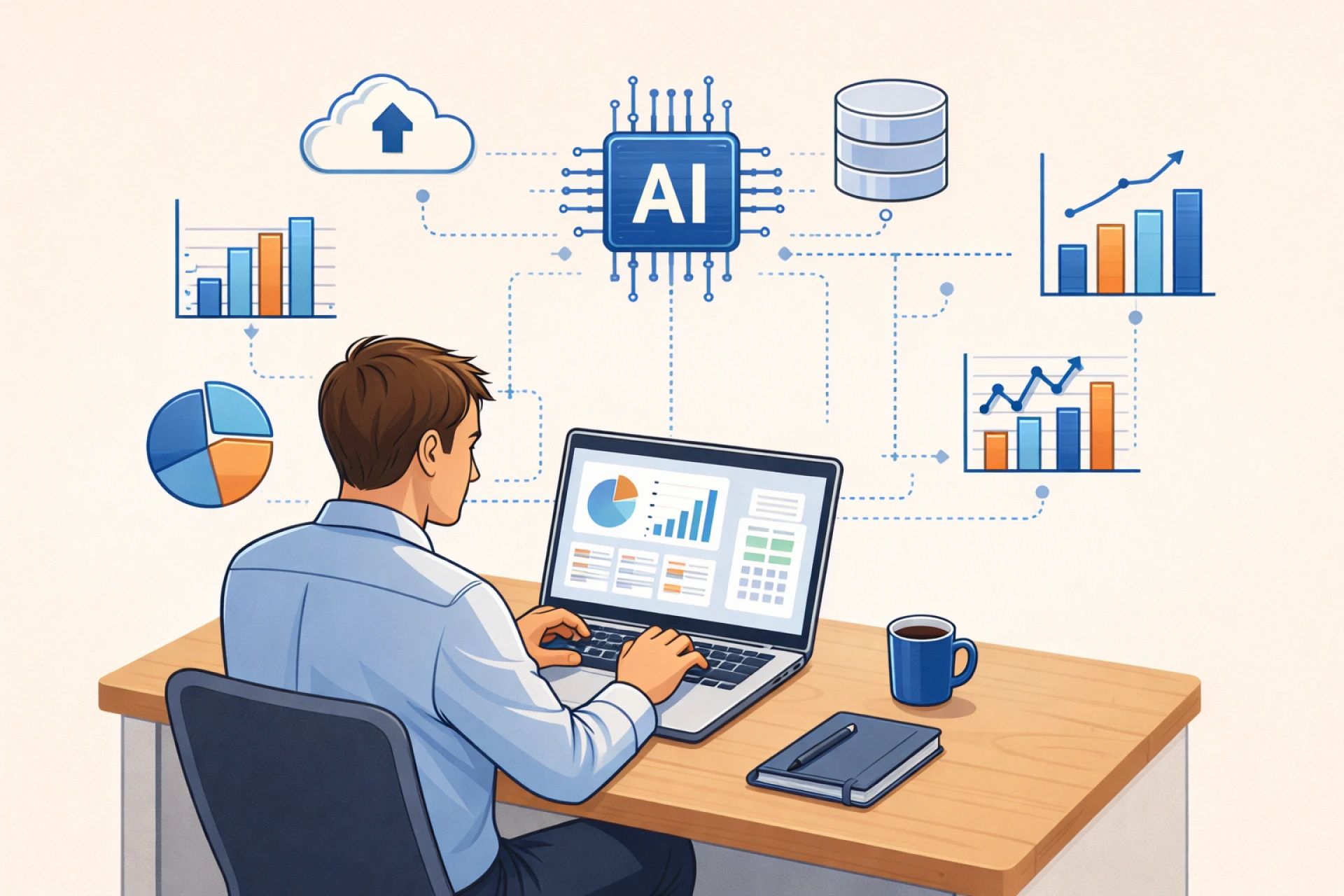
Data integration involves combining data from different sources to provide a unified view that is accurate, timely, and actionable. AI-powered data integration takes this process to the next level by leveraging machine learning, natural language processing, and automation to streamline and optimize data workflows. Unlike conventional methods, AI-powered solutions can handle structured, semi-structured, and unstructured data, providing a more intelligent and efficient approach to integration.
These solutions use AI algorithms to automatically map data fields, detect anomalies, clean data, and even predict trends. The result is faster, more accurate, and more scalable data integration, enabling businesses to make decisions with confidence.
Key Benefits of AI-Powered Data Integration
1. Enhanced Data Quality: One of the major challenges in traditional data integration is ensuring data accuracy. Inconsistent or incomplete data can lead to flawed insights. AI-powered solutions automatically identify errors, missing values, and discrepancies, improving the overall quality of integrated data. This not only reduces manual intervention but also ensures reliable analytics and reporting.
2. Faster Integration Processes: AI can significantly speed up data integration workflows by automating repetitive tasks such as mapping, transformation, and validation. Businesses no longer have to rely on manual processes that are time-consuming and prone to errors. With AI, integration can happen in real time, allowing organizations to respond faster to market changes and customer needs.
3. Scalability and Flexibility: Modern businesses deal with exponentially growing data. AI-powered integration platforms can handle large volumes of data from diverse sources with ease. They can adapt to changing business requirements, making them highly scalable and flexible. Whether it’s integrating data from a new SaaS platform or IoT sensors, AI solutions can accommodate these changes without significant rework.
4. Predictive Insights: AI doesn’t just integrate data; it adds intelligence. By analyzing patterns and trends across integrated datasets, AI can provide predictive insights that guide strategic decisions. For instance, retail businesses can anticipate inventory shortages, while financial institutions can identify potential risks and opportunities.
5. Cost Efficiency: By automating data preparation and integration, organizations can reduce the need for extensive manual resources and IT overhead. AI-powered solutions minimize errors and rework, ultimately lowering operational costs while increasing productivity.
Real-World Applications
AI-powered data integration solutions are being adopted across industries to drive innovation and efficiency:
- Healthcare: Integrating patient data from multiple sources like EHRs, lab systems, and wearable devices allows healthcare providers to deliver personalized care and improve outcomes.
- Finance: Banks and financial institutions leverage AI for integrating transactional, market, and customer data to enhance fraud detection and risk management.
- Retail: Retailers use AI to combine sales, inventory, and customer behavior data, enabling smarter inventory management, targeted marketing, and improved customer experiences.
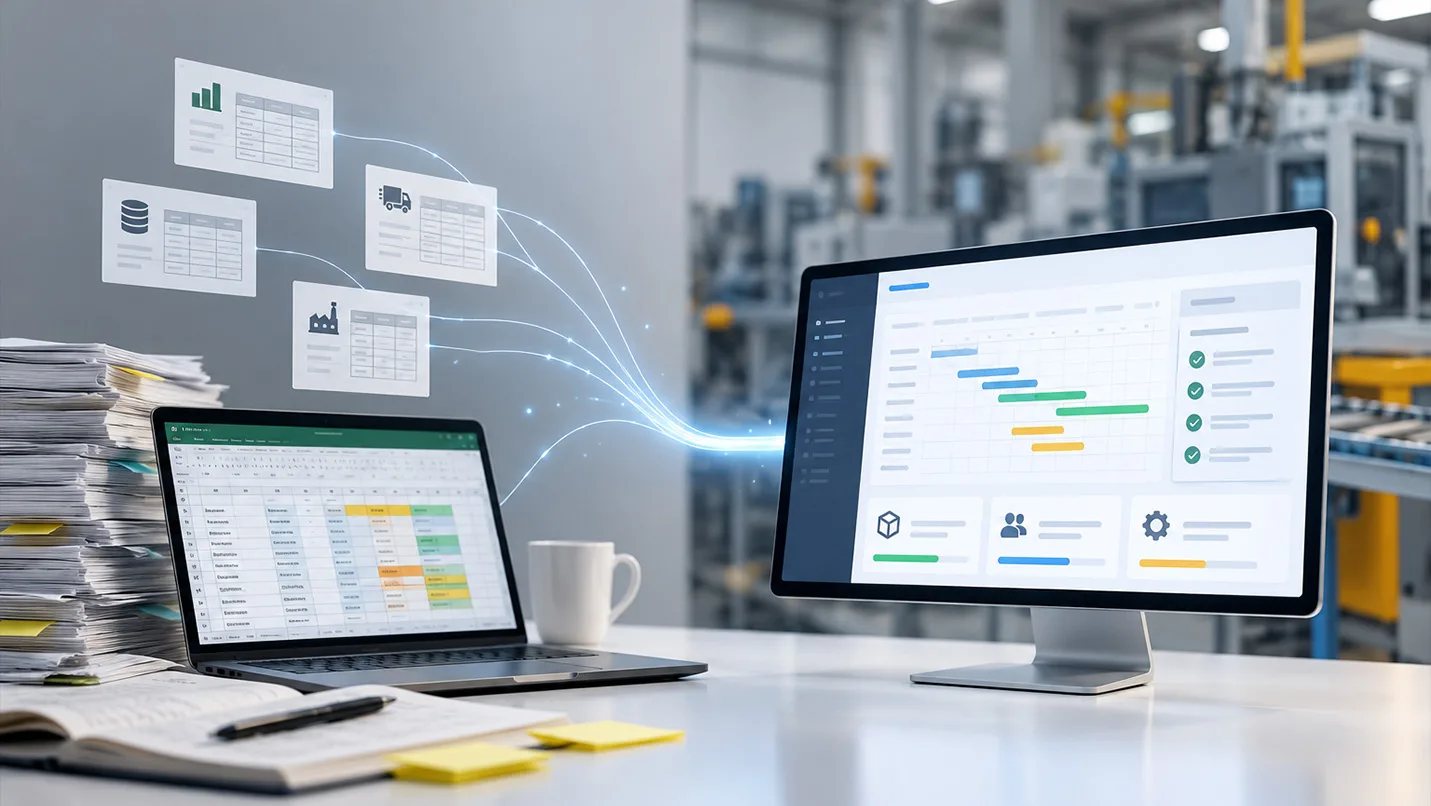
- Manufacturing: AI integrates data from machinery, supply chains, and production lines, helping manufacturers optimize operations and reduce downtime.
Challenges and Considerations
While AI-powered data integration offers immense benefits, organizations must be mindful of certain challenges:
- Data Security and Privacy: Handling sensitive data requires robust security measures and compliance with regulations such as GDPR and HIPAA.
- Change Management: Adopting AI-driven processes may require upskilling teams and rethinking existing workflows.
- Quality of AI Models: The effectiveness of AI integration depends on the quality of the underlying models and training data.
AI-powered data integration solutions are no longer a luxury—they are a necessity for businesses looking to stay competitive in the data-driven era. By automating integration processes, improving data quality, and providing predictive insights, AI empowers organizations to make smarter, faster, and more informed decisions.
Investing in AI-driven integration is an investment in operational efficiency, scalability, and strategic advantage. As businesses continue to generate unprecedented volumes of data, the adoption of AI-powered data integration will undoubtedly be a key differentiator in achieving success.