
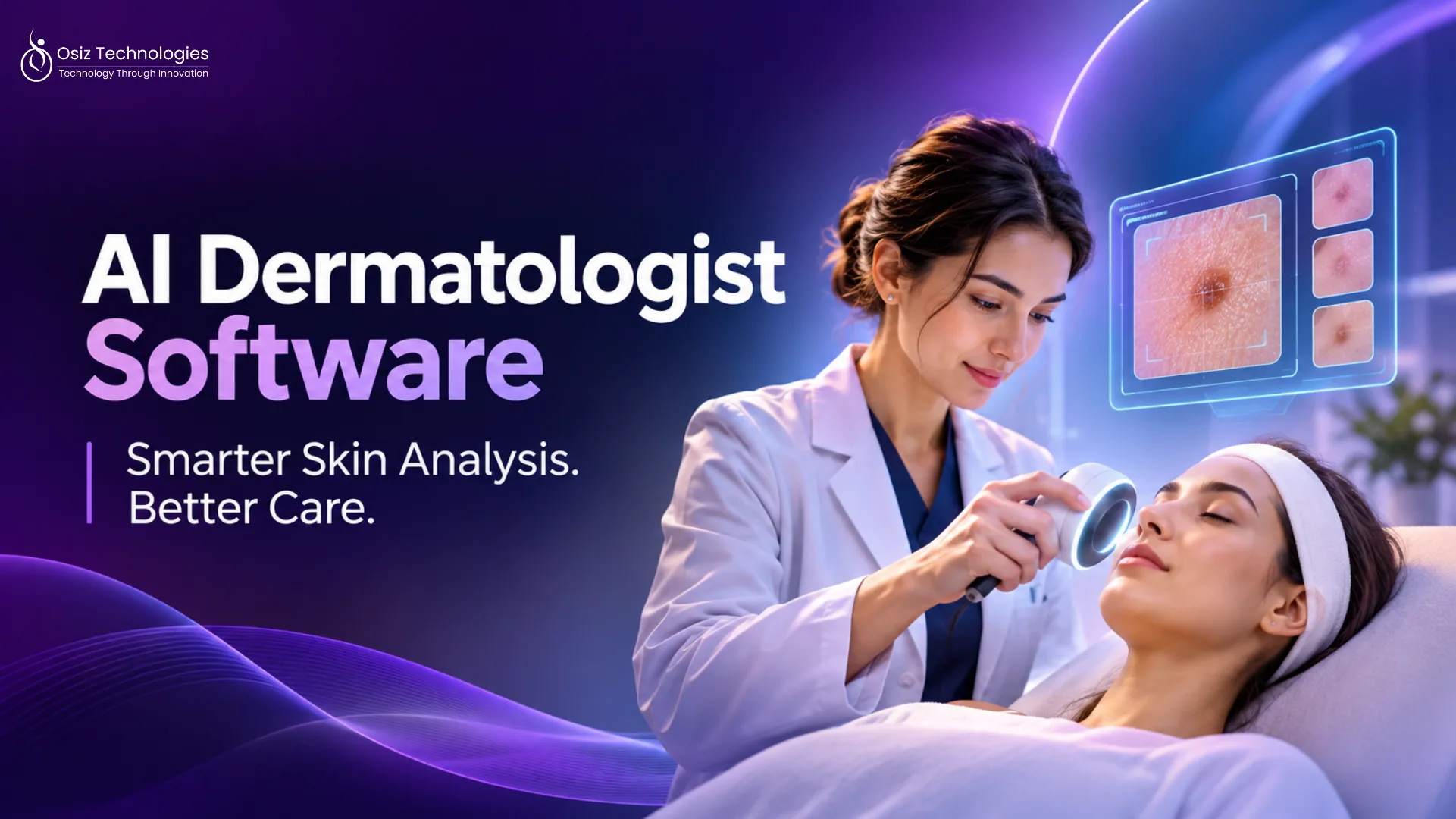
Skin concerns can develop gradually, and visible changes are not always easy to recognize during everyday routines. Acne, pigmentation, redness, and fine lines may appear differently depending on skin type, age, and environmental factors. Without proper attention, people may overlook these changes or struggle to understand when they need professional guidance.
This growing need for better skin awareness has increased interest in AI Dermatologist Software. By combining artificial intelligence with digital skin image analysis, this technology helps users recognize visible skin patterns and access relevant skin health insights. It supports a more proactive approach to understanding skin changes and encourages timely consultation with dermatology professionals when potential concerns arise.
What Is AI Dermatologist Software?
AI Dermatologist Software is an intelligent digital solution that uses artificial intelligence to analyze skin images and identify visible characteristics associated with different skin concerns. It applies image recognition, machine learning, and deep learning techniques to process visual information and generate relevant skin health insights.
The software can help users understand visible skin conditions, monitor changes, and explore personalized skincare recommendations. By making skin image assessment more accessible, it simplifies how individuals interact with skin-related information. However, AI-generated results provide preliminary insights and should not replace professional dermatological diagnosis.
How Does AI Dermatologist Software Identify Skin Concerns?
AI Dermatologist Software identifies potential skin concerns through a systematic image analysis process. Users upload skin images through the software, allowing AI algorithms to examine visible characteristics such as texture, pigmentation, redness, and other patterns.
The system processes these images using trained machine learning models to recognize patterns associated with different skin conditions. Based on the analysis, it generates relevant insights that help users understand visible skin characteristics. These insights can also support skin health tracking and encourage users to seek professional evaluation when unusual changes require attention.
Technologies Behind AI-Powered Skin Concern Identification
Artificial Intelligence and Machine Learning
Artificial intelligence enables software to analyze skin-related information and recognize patterns from uploaded images. Machine learning models use training data to improve their ability to identify visual characteristics associated with different skin concerns.
Computer Vision for Skin Image Analysis
Computer vision allows AI software to interpret digital skin images and examine their visual characteristics. It helps identify features such as skin texture, color variations, and visible irregularities that contribute to automated skin assessment.
Deep Learning for Skin Pattern Recognition
Deep learning uses neural networks to identify complex patterns within skin images. These models learn from large datasets and help distinguish visual characteristics associated with different skin concerns, supporting more detailed image analysis.
Image Processing for Visual Assessment
Image processing techniques prepare skin images for analysis by improving their consistency and quality. Methods such as noise reduction, image normalization, and contrast adjustment help AI models examine visual information more effectively.
AI-Based Pattern Classification
Pattern classification helps categorize visual characteristics identified during image analysis. AI models compare detected patterns with learned information to group potential skin concerns into relevant categories and generate more organized assessment results.
Types of Skin Concerns AI Can Help Identify
Acne and Pimple-Related Concerns
AI image analysis can recognize visible acne-related characteristics, including pimples, blemishes, and inflamed areas. These insights help users understand visible skin patterns and monitor changes over time.
Pigmentation and Dark Spots
AI-powered skin assessment can identify visible pigmentation variations, dark spots, and uneven coloration. Analyzing these characteristics helps users become more aware of changes in their skin tone.
Wrinkles and Fine Lines
Computer vision techniques can examine visible lines, wrinkles, and texture variations. These observations can help users understand signs of skin aging and monitor their appearance over time.
Skin Redness and Uneven Skin Tone
AI algorithms can analyze color variations and visible redness across skin images. This helps highlight areas with noticeable differences in skin tone that may require further attention.
Visible Signs of Skin Aging
AI-based image analysis can recognize visible characteristics such as fine lines, wrinkles, and changes in skin texture. These insights help users better understand their skin's appearance as it changes over time.
Benefits of Early Skin Concern Identification
Timely Awareness of Potential Skin Issues
Recognizing visible skin changes earlier helps users become aware of potential concerns and consider seeking professional dermatological advice when necessary.
Better Understanding of Skin Changes
AI-generated insights make it easier to interpret visible skin characteristics. Users can gain a clearer understanding of changes in their skin rather than relying entirely on visual observation.
More Informed Skincare Decisions
Access to relevant skin health information helps users make more informed choices about their skincare routines and when to consult dermatology professionals.
Personalized Skincare Guidance
AI-powered assessments can provide recommendations based on available skin-related information. This helps users explore skincare approaches that better match their individual skin needs.
Improved Skin Health Monitoring
Digital skin assessment and tracking capabilities help users maintain records of visible changes. Reviewing these records supports a more organized approach to monitoring skin health.
Essential Features of AI Dermatologist Software
AI-Based Skin Image Assessment
This capability analyzes uploaded skin images using artificial intelligence to identify visible characteristics and generate relevant skin health insights.
Skin Concern Identification and Classification
AI algorithms examine visual patterns and organize identified characteristics into relevant categories. This helps users understand different types of visible skin concerns through structured assessment results.
Skin Health History and Tracking
Skin health tracking allows users to maintain records of previous assessments and review changes over time. This creates a more organized way to follow skin-related developments.
Why Choose Osiz AI Dermatologist Software?
Osiz AI Dermatologist Software brings intelligent skin assessment capabilities into a dedicated solution designed to make skin health insights more accessible. It helps users explore visible skin concerns through AI-powered image analysis while providing a convenient way to understand their skin-related information.
Our software focuses on practical skin health needs through Simplified Skin Health Tracking, Faster Access to Skin Insights, Personalized Skincare Recommendations, and Early Identification of Skin Concerns. These capabilities help users stay informed about their skin, explore relevant recommendations, and keep track of visible changes.
By bringing these capabilities together, Osiz AI Dermatologist Software offers a convenient approach to digital skin health management. It helps make skin-related information easier to understand and supports users in taking a more informed approach to their skincare needs.