The digital economy is evolving at lightning speed. As Web3 technologies continue to gain momentum, new frameworks for trade, payments, and ownership are emerging. One of the most exciting innovations transforming this landscape is Agentic Commerce. Unlike traditional e-commerce or even decentralized commerce models, Agentic Commerce leverages AI-powered agents to autonomously handle negotiations, execute smart contracts, and optimize user outcomes. This shift is not just an incremental improvement—it is a radical redesign of how online transactions will function in the era of Web3.
Understanding Agentic Commerce
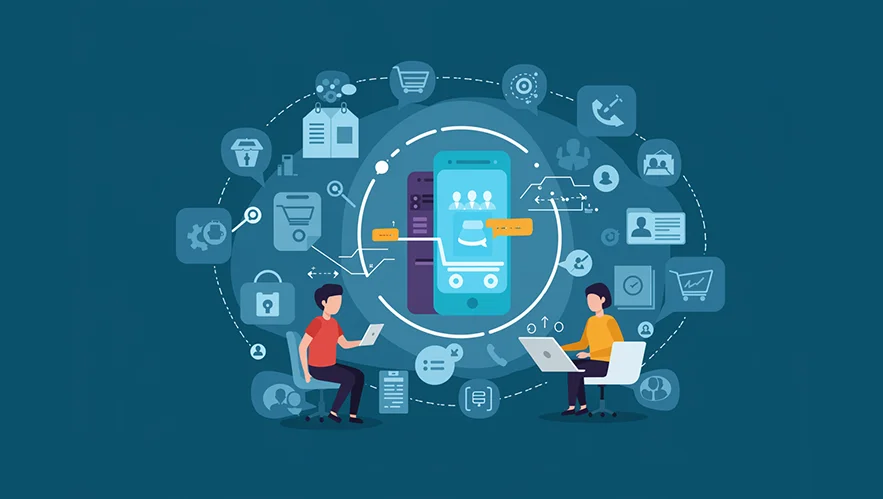
At its core, Agentic Commerce refers to the use of autonomous digital agents that operate on behalf of individuals or businesses within decentralized ecosystems. These agents combine artificial intelligence, machine learning, and blockchain technology to carry out commercial tasks without constant human oversight.
For instance, an AI agent could automatically compare decentralized finance (DeFi) lending platforms, find the best interest rate, and move assets accordingly—all while ensuring security and transparency through blockchain-backed smart contracts. By blending intelligence with decentralization, Agentic Commerce creates a system where trade becomes faster, more efficient, and less dependent on intermediaries.
Why Web3 Needs Agentic Commerce
The promise of Web3 lies in its decentralization. However, most users still face complexity when navigating decentralized apps (dApps), NFT marketplaces, or DeFi platforms. This creates friction in adoption. Here’s where Agentic Commerce proves invaluable:
- Automation: AI agents can automatically execute trades, manage subscriptions, or rebalance portfolios.
- Personalization: Agents adapt to user behavior, ensuring every transaction aligns with individual preferences.
- Trustless Transactions: With blockchain integration, transactions are secured by code, not by intermediaries.
- Scalability: Businesses can deploy agents to handle thousands of micro-interactions simultaneously.
By addressing these challenges, Agentic Commerce bridges the gap between the vision of Web3 and practical, everyday usability.
Redefining Buyer-Seller Relationships
In traditional commerce, transactions depend on trust, customer service, and intermediaries. Web2 platforms like Amazon or PayPal act as the middlemen. But with Agentic Commerce, relationships evolve into direct, automated, and transparent exchanges.
- For Buyers: AI agents ensure buyers get the best value, whether it’s finding cheaper NFT gas fees or negotiating subscription renewals.
- For Sellers: Autonomous systems optimize pricing strategies, streamline logistics, and target customers more effectively.
- For Communities: Decentralized marketplaces flourish without the need for corporate platforms dictating fees and rules.
This means buyers and sellers will interact through intelligent agents, building trust not on corporate reputations but on code and transparency.
Real-World Use Cases of Agentic Commerce
The applications of Agentic Commerce extend far beyond theory. Some practical scenarios include:
- DeFi Portfolio Management: AI agents can autonomously switch funds between lending protocols for maximum yield.
- NFT Marketplaces: Agents track trends and automatically bid on NFTs that match a user’s criteria.
- Subscription Optimization: Agents cancel, switch, or negotiate digital subscriptions based on user needs.
- Supply Chain Automation: Businesses use agents to negotiate contracts, streamline procurement, and track goods across borders.
Each use case demonstrates how intelligent automation reduces friction and opens new opportunities for efficiency.
Challenges and Considerations
While promising, Agentic Commerce also raises important challenges:
- Ethical Dilemmas: Should AI agents make decisions involving large sums of money without explicit user approval?
- Security Risks: Malicious coding or exploited smart contracts could put funds at risk.
- User Adoption: Many people are still hesitant to delegate financial autonomy to AI systems.
Addressing these concerns will require robust safeguards, transparent algorithms, and user-friendly interfaces.
Conclusion
As Web3 continues to evolve, Agentic Commerce is emerging as a transformative force. By combining AI-driven agents with decentralized infrastructure, it redefines how buyers, sellers, and marketplaces interact. The future of online transactions will not just be digital—it will be autonomous, intelligent, and trustless. Agentic Commerce is not merely an innovation; it is the blueprint for the next generation of global trade.