
Healthcare in the United States is evolving—but affordability and access remain real concerns for families. If you’re managing preventive visits, chronic conditions, insurance complexities, and rising healthcare costs, you may be asking an important question:
Can a family medical clinic truly be both affordable and staffed by expert physicians?
The answer is yes—but only when the clinic aligns with modern value-based care, transparent billing, and patient-centered clinical standards. In 2026, an affordable clinic is no longer just about lower prices. It’s about evidence-based medicine, insurance accessibility, digital integration, and long-term health outcomes.
If you’re searching for a Family Medical Clinic Montebello, CA, here’s what informed patients, caregivers, and healthcare professionals should expect.
What “Affordable” Means in the U.S. Healthcare System
In the United States, affordability is layered. It’s not simply about the cost of a visit.
It includes:
Insurance acceptance (Medicare, Medicaid, commercial plans)
Transparent self-pay pricing
Preventive care coverage under ACA guidelines
Chronic disease management that reduces emergency visits
Access to in-network referrals
According to U.S. healthcare policy under the Affordable Care Act (ACA), many preventive services—such as annual wellness visits, blood pressure screening, diabetes screening, and certain vaccinations—are covered without cost-sharing when delivered by in-network providers.
An affordable Family Medical Clinic understands this and helps you:
Verify insurance benefits
Avoid unnecessary out-of-network charges
Schedule covered preventive services proactively
Coordinate referrals efficiently
Affordability today is about lowering total cost of care, not just reducing upfront fees.
The Role of Expert Doctors in Family Medicine
Affordability should never mean compromising expertise.
Board-certified family physicians complete:
4 years of medical school
3 years of family medicine residency
Ongoing continuing medical education (CME)
Quality reporting under CMS standards (if participating in Medicare)
Family medicine physicians are trained to care for:
Children and adolescents
Adults
Seniors
Patients with multiple chronic conditions
In value-based care models—now common across the U.S.—physicians are evaluated not only on services delivered but on measurable outcomes such as:
Blood pressure control rates
Diabetes A1C management
Preventive screening compliance
Hospital readmission reduction
When you choose a Family Medical Clinic with expert doctors, you benefit from clinicians who understand both clinical complexity and the evolving reimbursement landscape.
Comprehensive Care Under One Roof
A high-quality Family Medical Clinic in 2026 offers integrated services designed to reduce fragmentation.
Preventive Care
Annual physical exams
Vaccinations (CDC-recommended schedules)
Cancer screenings (breast, colorectal, cervical, prostate as appropriate)
Cardiovascular risk assessment
Chronic Disease Management
Hypertension
Type 2 diabetes
Asthma and COPD
Hyperlipidemia
Thyroid disorders
Acute Care
Minor infections
Urinary tract infections
Flu and respiratory illnesses
Minor injuries
Care Coordination
Specialist referrals
Lab coordination
Imaging referrals
Medication management
This continuity reduces duplication of testing and helps prevent gaps in care—two major contributors to unnecessary healthcare costs in the U.S.
Insurance Models and What They Mean for You
Understanding insurance compatibility is critical when evaluating affordability.
A reputable Family Medical Clinic typically works with:
Medicare
Traditional Medicare (Part B coverage for outpatient visits)
Medicare Advantage plans (varies by network)
Medicaid
State-administered programs (eligibility and coverage vary)
Managed care Medicaid plans
Commercial Insurance
PPO and HMO plans
Employer-sponsored coverage
ACA marketplace plans
Self-Pay Options
Transparent fee schedules
Sliding scale options (when available)
Membership or direct primary care models (if offered)
An ethical clinic will clearly explain:
Co-pay responsibilities
Deductible impact
Referral requirements for HMO plans
Prior authorization processes
Transparency builds trust—and reduces financial stress.
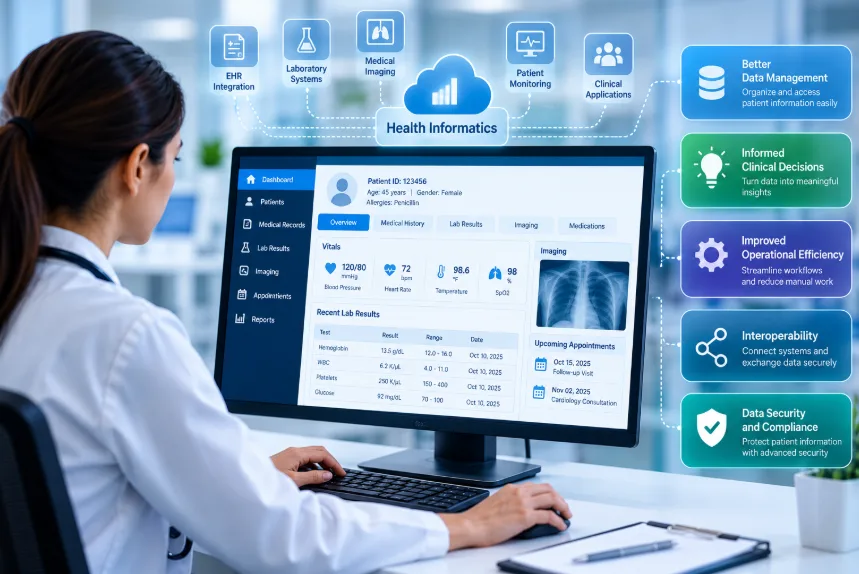
Digital Health in 2026: What You Should Expect
Digital health is no longer optional—it’s foundational.
A modern Family Medical Clinic integrates:
Secure Patient Portals
Lab results access
Appointment scheduling
Secure messaging
Prescription refill requests
Telemedicine
Telehealth has matured significantly since the COVID-19 era. In 2026, it is widely used for:
Medication follow-ups
Behavioral health screenings
Chronic disease check-ins
Minor acute complaints
Medicare and many private insurers continue to reimburse telehealth services under specific guidelines.
AI-Assisted Documentation
AI tools now support:
Real-time medical documentation
Risk stratification alerts
Preventive care reminders
Importantly, ethical clinics use AI as a support tool—not a replacement for physician judgment.
Health Equity and Community Access
Affordability also intersects with health equity.
In communities like Montebello, CA, diverse populations may include:
Multigenerational households
Medicare beneficiaries
Medicaid-enrolled families
Working adults with employer-sponsored insurance
An equitable clinic prioritizes:
Language accessibility
Cultural competence
Insurance navigation support
Flexible scheduling
Research consistently shows that access to primary care reduces emergency department use and improves chronic disease outcomes—particularly in underserved communities.
How to Evaluate a Family Medical Clinic in Montebello, CA
If you are researching a Family Medical Clinic Montebello, CA, consider asking:
Are the physicians board-certified in family medicine?
Do they accept my insurance plan?
Is preventive care proactively scheduled?
How are chronic conditions monitored?
Is telehealth available?
What is the average wait time for appointments?
Are care coordinators available for referrals?
Look for signs of patient-centered design:
Clear communication
Transparent billing
Respectful staff interactions
Evidence-based treatment protocols
The Shift Toward Value-Based Care
In 2026, more clinics participate in value-based contracts with payers, including CMS and private insurers.
Value-based care focuses on:
Outcomes over volume
Preventive health metrics
Reduced hospitalizations
Patient satisfaction
For you, this means:
More proactive outreach for screenings
Medication adherence support
Follow-up calls after ER visits
Data-driven quality monitoring
Clinics engaged in value-based care often emphasize long-term partnerships rather than episodic visits.
Why Continuity of Care Matters
Seeing the same physician over time improves:
Medication accuracy
Early detection of health changes
Trust and communication
Preventive care adherence
Studies published in U.S. primary care literature associate continuity with lower mortality and reduced hospitalization risk. While no clinic can guarantee outcomes, strong continuity can meaningfully support your health journey.
Affordability Without Compromise: What It Looks Like in Practice
A truly affordable Family Medical Clinic combines:
Insurance-friendly billing
Expert clinical staff
Integrated digital tools
Transparent communication
Preventive focus
Community-centered design
It avoids:
Surprise billing
Unnecessary testing
Overpromising results
Fragmented referrals
In Montebello, CA, families benefit most when their clinic functions as a medical home—a centralized hub coordinating all aspects of care.
Empowered Patients Drive Better Outcomes
Informed patients play an active role in healthcare quality.
You can support affordability and effectiveness by:
Keeping an updated medication list
Scheduling annual wellness visits
Reviewing Explanation of Benefits (EOB) statements
Using telehealth appropriately
Asking about preventive screening timelines
Engaging in shared decision-making
Healthcare in 2026 is collaborative. Your voice matters.
When to Seek Immediate Care
While family medical clinics manage a wide range of conditions, you should seek emergency care for:
Chest pain
Severe shortness of breath
Signs of stroke
Severe trauma
Loss of consciousness
Primary care supports prevention and chronic disease management—but emergencies require ER-level evaluation.
The Bigger Picture: Sustainable Healthcare for Families
As healthcare costs continue to rise nationally, strong primary care remains one of the most cost-effective investments in public health.
Affordable family medical clinics:
Reduce ER overuse
Improve chronic disease control
Increase preventive screening rates
Support healthier communities
For professionals evaluating clinic models, the data is clear: primary care access correlates with improved population health metrics and reduced total cost of care.
For patients and caregivers, the takeaway is simple:
High-quality, expert-led family medicine can be accessible and affordable—when structured intentionally.
Call to Action
If you’re considering a Family Medical Clinic Montebello, CA, schedule a consultation or preventive visit and discuss:
Your insurance coverage
Chronic condition management goals
Preventive screening needs
Telehealth options
Ask questions. Review credentials. Confirm transparency.
Informed engagement leads to better healthcare experiences.
Medical Disclaimer
This article is for informational purposes only and does not constitute medical advice, diagnosis, or treatment. Always consult a licensed healthcare professional regarding your individual health needs.