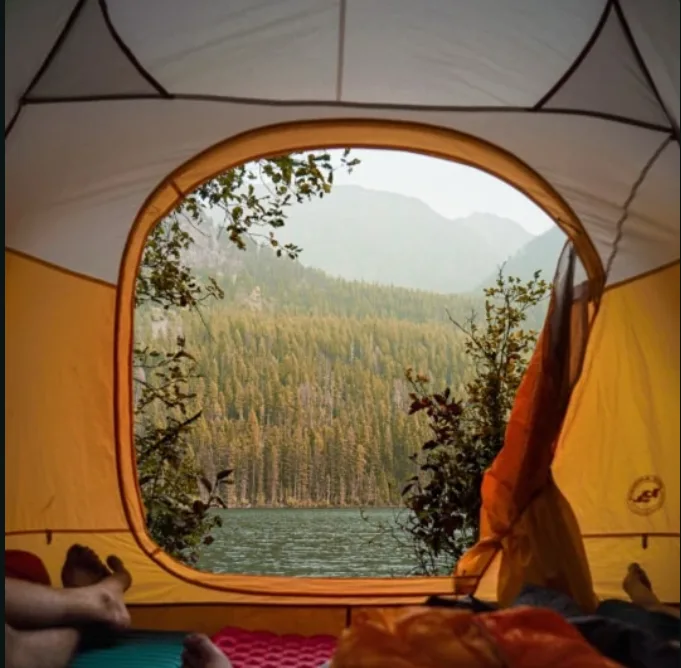
Camping allows people to enjoy nature, explore unfamiliar places, and take a break from busy routines. However, a successful outdoor trip requires preparation and suitable equipment. One of the most important items is a dependable shelter that provides a comfortable space to rest and protection from changing weather conditions. Understanding the features of an EXFIL tent can help outdoor enthusiasts evaluate their options and prepare for different camping environments.
Why a Reliable Camping Tent Matters
A tent creates a designated space for sleeping, storing personal belongings, and taking shelter during outdoor trips. It can help protect campers from wind, rain, insects, and direct sunlight, depending on its design and construction.
The right tent depends on the type of adventure. A short weekend campsite may require different features from a longer backpacking trip. Considering the number of occupants, expected weather, available space, and transportation method can make the selection process easier.
Important Features to Consider
A camping tent should balance practical construction, comfortable space, and convenient setup. Several features deserve attention before making a purchase.
Material and Weather Protection
Tent materials influence weight, durability, and weather resistance. Many outdoor tents use synthetic fabrics designed to provide a balance of strength and portability. Some models also include coatings that help reduce water penetration.
When evaluating an EXFIL tent, review the manufacturer's specifications for fabric details, waterproof ratings, seam construction, and recommended weather conditions. A rainfly and properly designed floor can provide additional protection, but no tent should be assumed suitable for every storm or extreme weather situation.
Size and Interior Space
Tent capacity is an important consideration. A model designed for two people may provide limited room for extra luggage, while a larger tent can offer additional space for sleeping and organizing equipment.
Check the floor dimensions, peak height, and storage arrangements before purchasing. Consider the number of people who will use the tent and whether you need room for backpacks or other belongings. Choosing suitable dimensions can make a campsite more comfortable.
Frame and Setup Design
Tent frames provide structural support. Depending on the model, they may use lightweight poles, flexible sections, or other support systems. The design can influence how quickly the shelter can be assembled and packed away.
Read the setup instructions before your trip. Practice assembling the tent at home so you understand how the components fit together. Check that all poles, stakes, and attachment points are in good condition before leaving.
Choosing a Tent for Different Adventures
Different outdoor activities require different shelter features. Backpackers often prioritize compact designs and manageable weight because equipment must be carried over longer distances. Family campers may prefer larger tents with additional interior space and convenient storage areas.
For weekend camping, a straightforward setup and suitable weather protection may be more important than advanced features. Consider the environment, expected temperatures, rainfall, and campsite conditions before selecting a model.
Proper Campsite Selection and Setup
Choosing the right location is just as important as choosing the tent. Look for level ground that is free from sharp objects, loose branches, and potential drainage problems. Avoid low areas where rainwater could collect.
Follow the manufacturer's instructions when positioning and securing the shelter. Use suitable stakes and guylines where provided, and check that the structure remains stable. Avoid setting up beneath dead branches or in exposed locations during severe weather.
Cleaning and Maintenance Tips
Regular care can help preserve camping equipment. After each trip, remove dirt and debris using the cleaning methods recommended by the manufacturer. Allow the tent fabric and floor to dry completely before packing it away to help prevent unpleasant odors and material damage.
Inspect the seams, zippers, poles, stakes, and attachment points for visible wear. Store the tent in a clean, dry place and avoid placing heavy objects on top of it. Repair minor damage according to the manufacturer's guidance before the next adventure.
Preparing a Complete Outdoor Setup
A tent is only one part of a well-organized camping collection. Sleeping bags, sleeping pads, lighting, weather protection, and suitable clothing can all contribute to a more comfortable experience.
Outdoor enthusiasts can explore different equipment options through uwharrieoutdoor when preparing for camping and wilderness activities. Comparing product specifications and understanding intended uses can help buyers select accessories that match their plans.
Final Thoughts
A camping tent provides an essential shelter for outdoor recreation. Material quality, weather protection, interior dimensions, frame design, and setup requirements should all be considered before purchasing. Anyone researching an EXFIL tent should review its specifications and follow the manufacturer's instructions. With careful preparation, responsible campsite selection, and regular maintenance, suitable shelter equipment can support more enjoyable outdoor adventures.