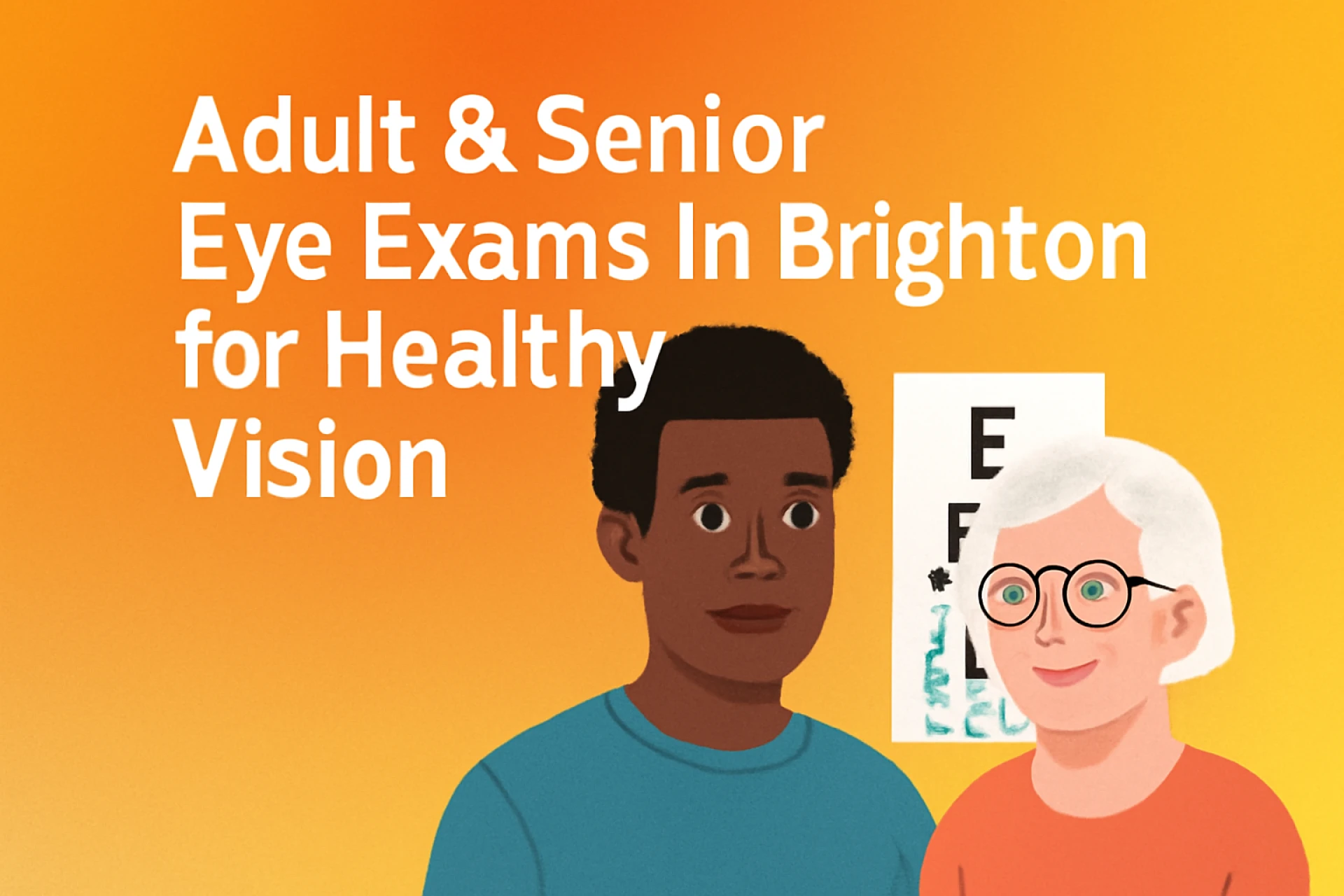
As we age, our eyes undergo significant changes, some natural, and others that may indicate underlying health issues. Regular eye exams are essential to maintaining vision and overall wellness for grown-ups and older adults in Brighton.
This guide explains why consistent eye testing matters, what to expect during the process, and how residents of the Brighton area can benefit from professional eye treatment services in Brighton.
Why Eye Health Matters More with Age
Vision naturally changes over time. Adults may experience difficulty focusing on close objects (presbyopia), while seniors are more prone to age-related eye diseases. Many of these issues can go unnoticed without routine check-ups until they become severe.
Maintaining good vision isn’t just about reading clearly — it also supports:
- Driving Safety
- Mobility and independence
- Mental health and quality of life
- Immediate recognition of chronic situations such as diabetes or high blood pressure
Who Needs an Eye Exam
In Brighton, adults over 40 should begin prioritizing routine vision screenings, even if they don’t wear glasses or contacts.
General Guidelines:
- Ages 19 to 40: Every 2–3 years (more often if you wear corrective lenses)
- Adults between 41 and 60 should have a detailed eye exam every two years to help detect early signs of vision changes or underlying eye conditions.
- Age 61 and above: Annually
Individuals with conditions like diabetes, hypertension, or a family history of eye disease may need more frequent evaluations, as advised by their optometrist.
Common Eye Issues in Adults and Seniors
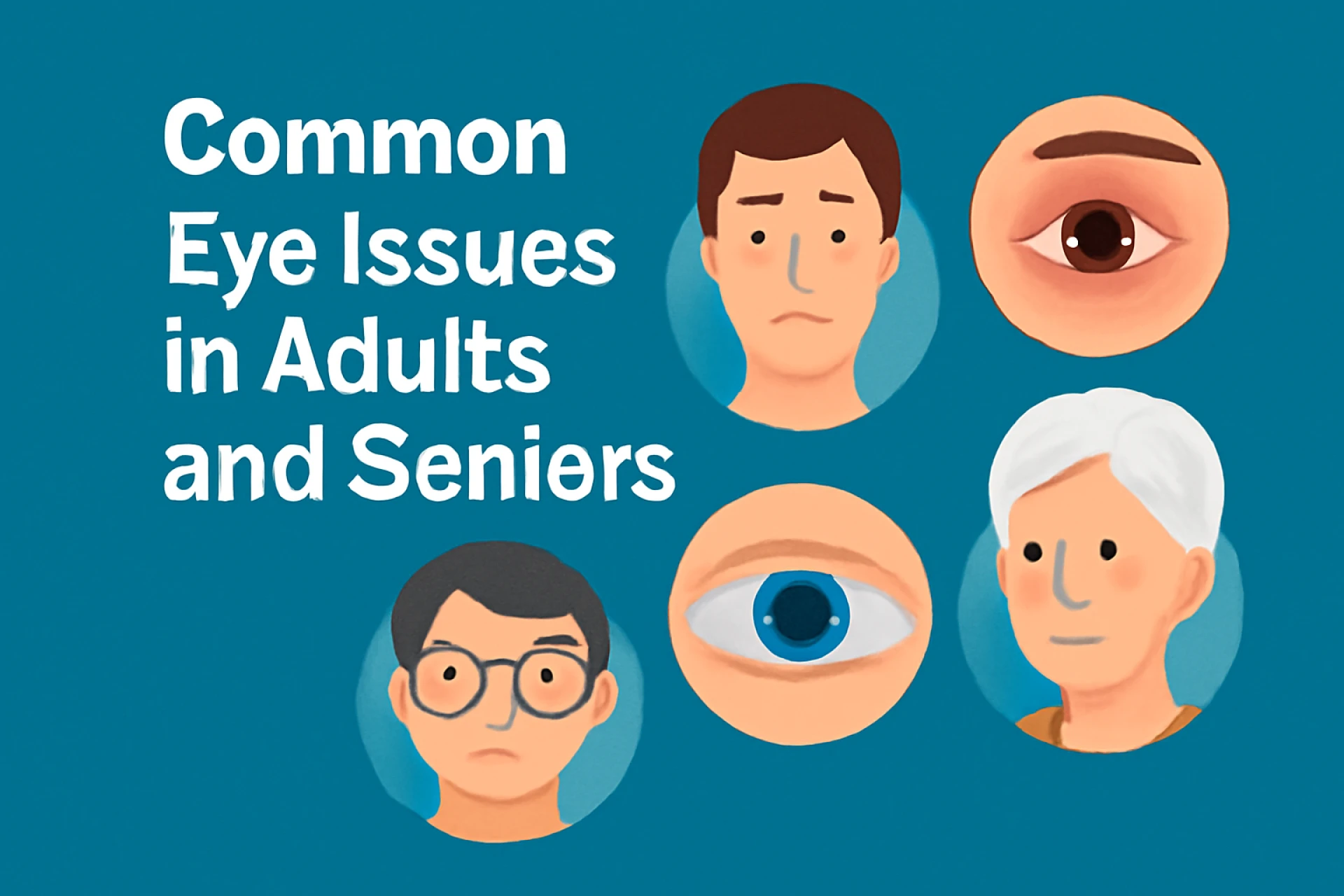
Regular testing at a trusted Brighton vision care provider can help detect and manage common diseases revealed during an eye exam, especially age-related eye conditions.
1. Presbyopia
Difficulty reading small print or switching focus between distances. Usually corrected with reading glasses or multifocals.
2. Cataracts
A clouding of the eye's natural lens that leads to blurry or dim vision. Cataracts develop slowly but may eventually require surgical treatment.
3. Glaucoma
This condition causes damage to the optic nerve and often has no early symptoms. It’s a leading cause of blindness if left untreated.
4. Macular Degeneration
Affects central vision and is common in those over 60. Speedy recognition can assist in slowing its progression.
5. Diabetic Retinopathy
A diabetes-related eye disorder that harms blood vessels in the retina. Often found during routine diabetic eye exams.
What Happens During a Comprehensive Eye Exam?
A complete eye health assessment at a Brighton area eye care centre includes several painless, quick tests. These exams are not just about checking your prescription — they’re a complete wellness check for your eyes.
Standard Components:
- Visual acuity test: Determines how well you see different faraway objects.
- Refraction assessment: This procedure determines your precise lens prescription for eyeglasses or contact lenses based on how your eyes focus light.
- Eye pressure test: Screens for glaucoma by checking intraocular pressure.
- Retinal examination: Allows the eye care professional to look for signs of damage or disease.
- Pupil dilation: May be used to get a better view of the eye's internal structures.
How Eye Exams Benefit Long-Term Health
Seeing is only part of the benefit. An annual visit to your local Brighton optometry provider also plays a role in identifying:
- Early signs of neurological disorders
- Circulatory problems or high blood pressure
- Autoimmune diseases that affect eye tissues
- Nutritional or lifestyle factors impacting vision
Because the eyes are directly connected to the nervous system and vascular health, optometrists can often spot systemic issues before other symptoms arise.
Vision and Mental Wellness in Seniors
For older adults, vision loss can lead to feelings of isolation, reduced confidence, and even depression. By ensuring clear, comfortable vision:
- Reading becomes easier
- Hobbies like knitting or gardening stay enjoyable
- Driving safety improves
- Independence is preserved
Investing in regular eye assessments helps maintain not only physical but also emotional well-being.
When Should You Book an Eye Check?
If it's been more than a year since your last appointment, or you’re noticing changes like:
- Squinting or frequent blinking
- Headaches after reading
- Difficulty driving at night
- Halos around lights
- Eye strain or fatigue
...it’s time to book a complete vision evaluation. Those residing near Brighton can find a variety of qualified providers ready to assist with their eye care needs.
Tips to Protect Your Eyes Between Exams
While exams are key, everyday habits also matter. Guard your eyesight with these easy actions:
- Wear UV-blocking sunglasses outdoors
- Eat a diet rich in omega-3s, leafy greens, and colourful fruits
- Stay hydrated and avoid smoking
- Handle chronic disorders (like diabetes or hypertension)
- Shrink screen time and take normal eye rests
Final Thoughts
Vision health deserves as much attention for adults and seniors as heart or dental care. Whether managing chronic eye conditions or simply keeping tabs on your eyesight, regular eye testing in Brighton ensures you stay proactive about one of your most precious senses.
The proper care at the right time can make all the difference in living a whole and vibrant life.