
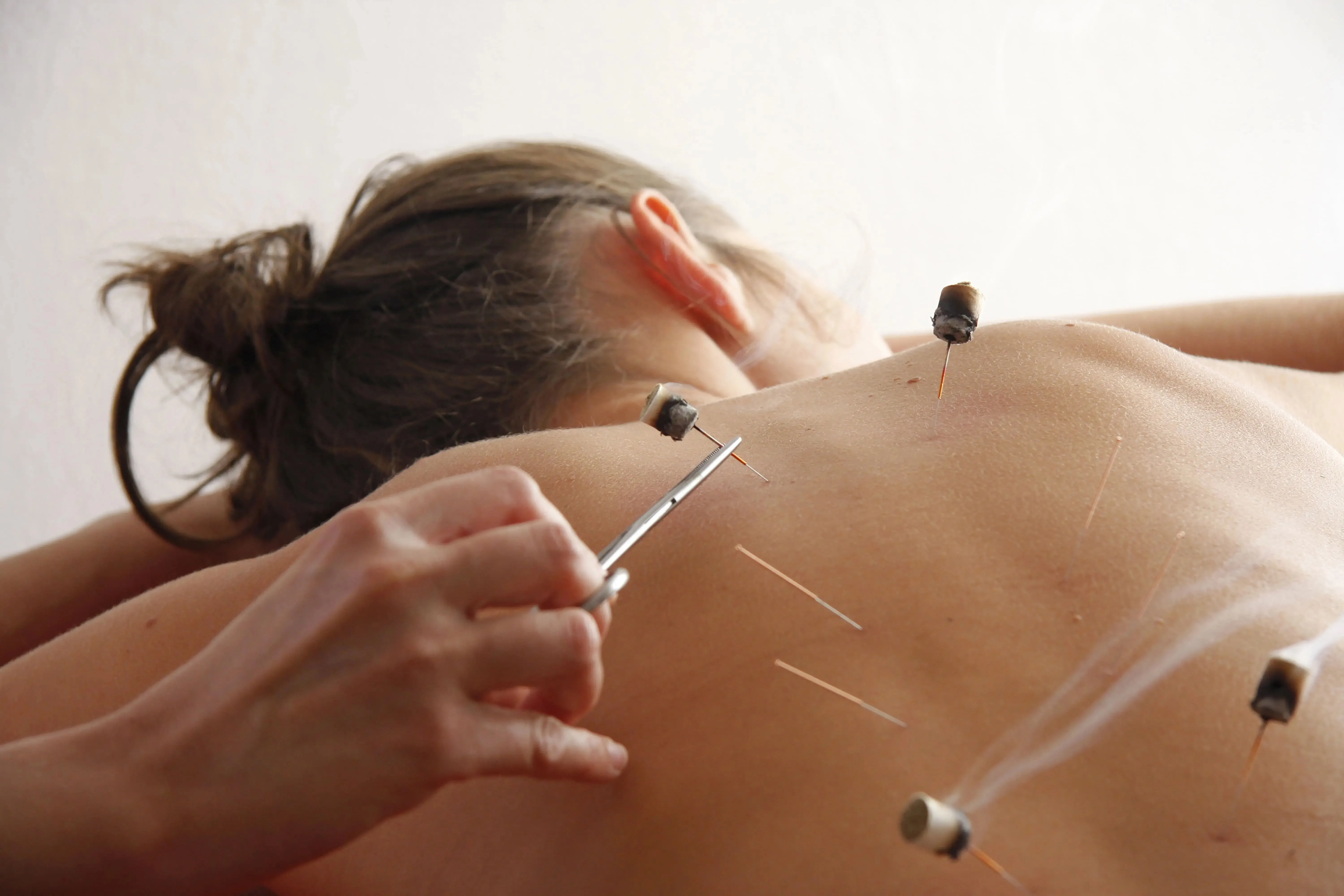
Managing weight often feels like a steep climb. Many people try strict diets or exhausting workouts, only to harvest small results. Acupuncture for weight control offers a different road. This ancient practice places fine needles on specific body points. It nudges the body toward balance without harsh methods. The process feels calm or props up long-term wellness. Unlike quick fixes, this approach digs up the root causes of weight gain. You might welcome acupuncture for weight control as a helpful addition to your daily habits. The gentle needles work quietly behind the scenes.
How Acupuncture Supports Weight Loss
This technique taps into the body's natural systems. Inserting needles at key spots sparks certain responses. These responses steer hunger or digestion.
- Curb cravings – Needles on the ear dial down the desire for sugary snacks.
- Boost metabolism – Specific areas wake up sluggish energy flow.
- Lower stress eating – The process turns down tension that triggers extra meals.
Each session pushes the body to work smarter. Over time, people notice fewer urges to overeat. The change unfolds bit by bit, not overnight.
The Science Behind the Needles
Researchers believe needles unlock natural chemicals in the brain. At the same time, these chemicals include endorphins or serotonin. While endorphins wipe out physical discomfort. Serotonin lifts a dark mood. Together, they slash the emotional drive to eat. While this release lowers cortisol, a stress hormone. Therefore, high cortisol levels force the body to store belly fat. By lowering cortisol, the treatment removes a hidden barrier to weight loss.
Where Do the Needles Go
Practitioners place needles on the outer ear, belly, or legs. The ear holds a famous spot called the "hunger point." A small needle there shoots a signal to the brain. This signal shuts down false hunger alerts. Another common site lies just below the knee. This spot links to the stomach meridian. Prodding it improves digestion or nutrient uptake. Every placement follows a clear map from traditional medicine.
Extra Benefits Beyond the Scale
Weight management rarely stands alone. Other shifts often pop up during treatment. Many people report better sleep or steady energy. Some even spot changes in their facial appearance. An acupuncture face lift happens when blood flow improves. Tiny needles on the face plump skin or soften lines. This bonus effect fuels motivation to continue care. The body answers as a whole system. So slimming down brings brighter eyes or fewer headaches, too.
Better Sleep Leads to Fewer Snacks
Poor sleep messes up hunger hormones. Lack of rest pumps up ghrelin, the hormone that screams for food. It also drags down leptin, the hormone that says "stop eating." Acupuncture sessions patch up sleep quality without pills. Therefore, a well-rested person makes smarter food choices. At the time, the link between tiredness or junk food crumbles. Each good night of sleep strengthens weight control efforts.
Steadier Energy for Daily Movement
Fatigue kills the wish to move. When energy dips, the couch wins. At the time, needles on the spleen or kidney meridians pour back vitality. Therefore, patients report waking up with more get-up-and-go. At the time, this extra energy turns into longer walks or playing with children. While extra movement burns more calories. Thus, a small needle stirs a big ripple effect on daily activity levels.
Why Combine Methods for Best Results
Needles alone do not melt pounds. They work best alongside good food choices or movement. Think of acupuncture for weight loss as a partner, not a miracle. A patient who eats vegetables or walks daily will witness faster shifts. The treatment lowers barriers to healthy habits. For instance, less stress means less late-night snacking. Better digestion means feeling full sooner. Each small win builds on the last one.
Matching Acupuncture with Simple Meal Changes
You do not need a fancy diet plan. Start with three small swaps. First, replace one sugary drink with water each day. Second, toss a handful of greens into one meal. Third, eat dinner two hours before bed. The acupuncture sessions slice the struggle to make these swaps. Over four weeks, these tiny changes stack up. The needlework turns down the voice that resists change.
What to Expect During a Visit
A first appointment starts with a chat about your health history. The practitioner asks about sleep, mood, or eating patterns. Then you lie on a padded table. The needles feel like quick pricks or mild pressure. Most people find the sensation strange but not painful. After insertion, you rest for 20 to 30 minutes. Some patients drift into a light nap. Others feel a warm buzz in the treated areas. You leave with no downtime or possibly a lighter step.
- Session length – 45 to 60 minutes total
- Frequency – Once or twice per week for two months
- Sensation – Tiny pinches, then nothing
Tracking Your Progress
Keep a simple journal of meals, moods, or waist measurements. Note any changes after four to six sessions. You might witness a smaller appetite first. Then the number on the scale may shift slowly. Do not expect dramatic drops. Safe weight change happens at half to one kilogram per week. Celebrate small victories like fitting into older trousers. The goal is steady movement, not speed.
Safety or Simple Precautions
Licensed practitioners follow strict cleaning rules. They use single-use needles from sealed packs. Bruises or tiny blood spots happen rarely. Serious side effects are very low. Yet some people should skip this method. Pregnant women avoid certain belly or back points. People with bleeding disorders need a doctor's note. Always pick a certified provider. Ask about their training or years of practice.
- Avoid it if you have a fear of needles or an active infection on the skin.
- Tell your provider about all medicines or health conditions.
Mild Reactions That Can Happen
Some people feel slightly tired after a session. Others notice a mild bruise at a needle site. These reactions fade within a day or two. A few patients spill out emotional releases. They might cry or laugh for no clear reason. This response signals a shift in the nervous system. None of these reactions causes harm. Therefore, report any lasting discomfort to your practitioner.
Final Thoughts
Weight control does not need harsh struggles. This gentle method unlocks a side door to better habits. Acupuncture for weight control quiets the mind or tames hunger. Many people find the process relaxing or even enjoyable. While not a solo answer, acupuncture for weight control adds real support to good food choices. Give it six to eight weeks of honest effort. Then decide if it fits your life. A balanced body often leads to a balanced weight. Let that first small step be a gentle needle.
FAQs
1. Does the needle insertion hurt?
Most people feel only a tiny pinch or mild pressure. The needles stretch very thin, much thinner than injection needles. After placement, you will not feel any pain, just a wave of calm.
2. How soon can I expect to see changes?
Some people spot smaller appetites after four to six sessions. Others grab better sleep or steadier energy first. Weight changes usually show up after eight to twelve sessions.
3. Can I eat normally during the treatment period?
Yes, you can eat your regular meals. However, pairing the sessions with balanced food choices and light movement will speed up your results. The needles work best with healthy habits.
4. Is this method safe for older adults?
Yes, older adults handle the treatment quite well. The practitioner adjusts the needle depth and placement for comfort. Always share your full health history before the first session.