
Every year, thousands of Australians wake up with a new sense of fragility — not because of an injury, but due to the steady loss of bone strength beneath the surface. That is the often-unseen burden of osteoporosis: a slow reshaping of the internal scaffolding that holds us upright and mobile. With fractures leading to pain, reduced independence and even higher mortality, choosing an effective treatment path isn’t just medical guidance; it’s a life-quality decision.
When your doctor suggests therapy, the options can seem overwhelming. Yet some treatments – like the Aclasta Infusion – stand out for their efficacy and convenience, particularly for people who struggle with daily pills or complex medication schedules.
In this post, we’ll walk through what osteoporosis is, how Aclasta works, and what patients in Australia are increasingly turning to as part of their ongoing bone health strategy.
What Is Osteoporosis?
Bone isn’t static. It’s dynamic tissue that constantly renews through a balance of breakdown and rebuilding. With osteoporosis, that balance tips — often subtly at first — and bone resorption outpaces formation. This weakens the internal structure of bone, making everyday movements riskier. In Australia, hundreds of thousands of people aged over 50 face this silent decline, with women disproportionately affected due to hormonal changes after menopause.
Osteoporosis doesn’t usually cause symptoms until a fracture occurs. That “silent” nature is what makes it dangerous — and why early screening through bone density tests (DEXA scans) is so highly recommended for people over 70, and for younger adults with other risk factors like prior fractures or long-term corticosteroid use.
Understanding the Treatment Landscape in Australia
The medical community in Australia recognises that slowing bone loss and preventing fractures requires both lifestyle strategies and targeted medicines. Treatments range from daily or weekly oral tablets to injectable agents given monthly or yearly. Each category has its benefits and limitations:
- Bisphosphonates — slow bone breakdown and strengthen bone over time.
- Denosumab — a monoclonal antibody therapy administered every six months.
- Selective oestrogen receptor modulators (SERMs) — particularly for post-menopausal women.
- Anabolic agents that stimulate bone formation in specific clinical cases.
Complementary lifestyle advice — from weight-bearing exercise to optimal calcium and vitamin D intake — plays an indispensable role alongside pharmacotherapy.
What Makes Aclasta Different?
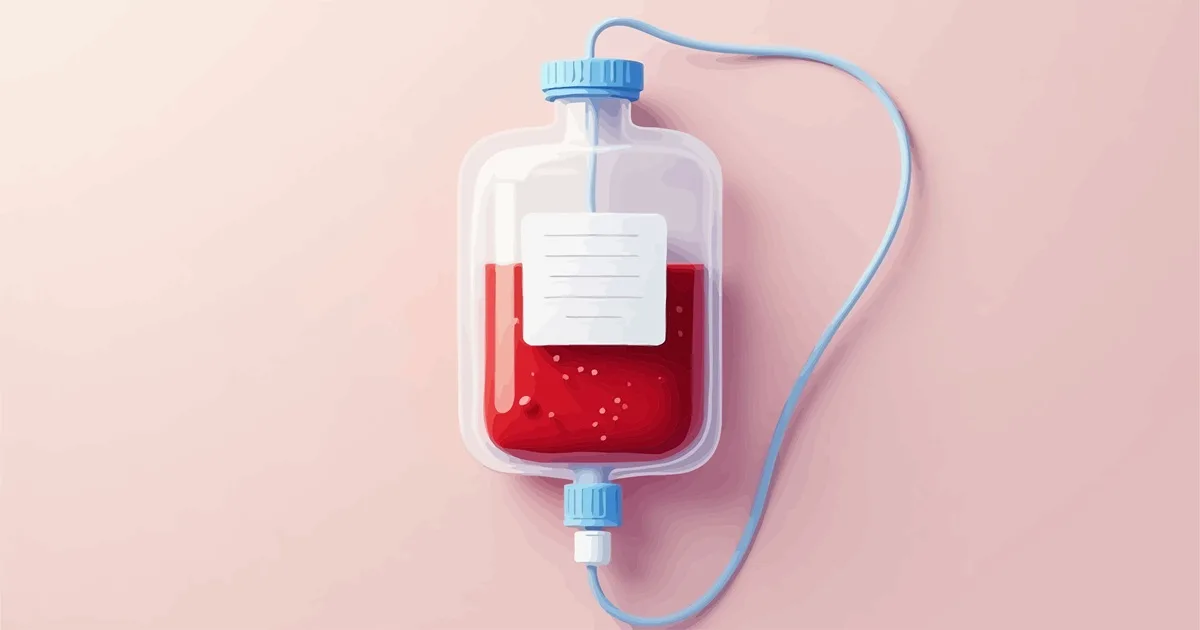
The active ingredient in Aclasta is zoledronic acid, a powerful bisphosphonate specifically designed for intravenous administration. Unlike daily tablets, which some patients find difficult to tolerate due to gastrointestinal discomfort or complex dosing rules, Aclasta is given as a yearly infusion. This one-time-a-year approach makes it appealing for people who struggle with daily routines or have trouble absorbing oral medicines.
In Australia, Aclasta is used to:
- increase bone mineral density,
- reduce the risk of hip and vertebral fractures,
- treat osteoporosis in post-menopausal women and older men,
- manage bone loss caused by long-term steroid use.
By delivering the medication directly into the bloodstream, the infusion bypasses digestive challenges and ensures high bioavailability to the bones.
How Aclasta Works
Aclasta belongs to a class of drugs known as bisphosphonates. Once in the bone, zoledronic acid targets osteoclasts – the cells responsible for breaking down bone tissue. By inhibiting an enzyme crucial for osteoclast function (farnesyl pyrophosphate synthase), Aclasta slows bone resorption and tilts the balance in favour of bone retention and renewal.
The result? Over time, patients often experience increases in bone density and a meaningful reduction in the risk of fractures — particularly those in the hip and spine, which are most closely linked to disability and mortality from osteoporosis.
What to Expect During an Aclasta Infusion
Getting an Aclasta infusion feels very different from traditional daily medication routines. The process typically includes:
1. Assessment and preparation
Before treatment, your healthcare provider will assess your medical history, current medications, calcium and kidney function. Ensuring adequate fluid intake and correcting any vitamin D deficiency are common preparatory steps.
2. Infusion administration
The infusion is delivered intravenously over about 15–30 minutes. Most patients find the process straightforward, and most clinics monitor vital signs during the infusion for safety.
3. Post-infusion observation
After the infusion, you might stay for observation for a short period to check for immediate reactions and ensure you feel well before leaving.
By simplifying delivery to a yearly appointment, Aclasta reduces much of the daily burden that can accompany long-term medication adherence.
Benefits Beyond Convenience
While once-a-year dosing is a key selling point, Aclasta offers several other meaningful advantages:
- Reliable dosing consistency — no need to worry about forgotten pills.
- Effective in reducing fracture risk, particularly for patients at high risk of hip and vertebral fractures.
- Alternative for people unable to take oral bisphosphonates due to intolerance or gastrointestinal side effects.
Many patients report peace of mind from knowing their treatment is delivered in a controlled clinical setting, rather than managing daily medication. This can be a significant psychological benefit in addition to physical protection.
Side Effects
Like any medication, Aclasta has potential side effects, though most are mild and short-lived:
- Flu-like symptoms (fever, chills, muscle aches) are commonly reported in the first few days after infusion.
- Headache or fatigue can occur, but often resolves quickly.
Rare serious risks include osteonecrosis of the jaw and atypical femoral fractures — but these are uncommon when therapy is monitored appropriately.
Hydration before and after the infusion, along with adequate calcium and vitamin D status, helps reduce the likelihood and severity of side effects, something your clinician will discuss with you.
Who Might Benefit Most from Aclasta?
Patients who may be particularly suited to Aclasta include the following:
- with diagnosed osteoporosis and high fracture risk,
- who have difficulty tolerating oral osteoporosis medications,
- seeking a low-hassle, annual treatment routine,
- with absorption challenges affecting oral drug uptake.
Deciding whether Aclasta is right for you should always be done collaboratively — with input from your GP or specialist, bone density results, medical history, and personal preferences all taken into account.
Osteoporosis Care Is More Than Medication
While medications like Aclasta play a crucial role, comprehensive osteoporosis management also includes lifestyle and nutritional elements:
- Weight-bearing and resistance exercises to strengthen bones.
- A balanced diet rich in calcium and vitamin D, either through food or supplements.
- Fall prevention strategies to reduce fracture risk.
With an integrated approach, patients can build resilience — not just prescription reliance — into their bone health journey.
Importance of Osteoporosis in Australia
In the Australian healthcare system, many osteoporosis treatments, including bisphosphonates, are subsidised under the Pharmaceutical Benefits Scheme (PBS) for eligible patients. Whether you’re first starting treatment or exploring a change, your doctor will guide you on what’s covered and what costs might apply.
Whether through a local GP or a specialist referral, working with trusted professionals ensures your treatment aligns with clinical guidelines and your quality-of-life goals.
Final Thoughts
There’s no one-size-fits-all answer to osteoporosis treatment, but options like annual infusions can truly transform the patient experience. With the power to reduce fractures and the convenience of simplified dosing, Aclasta has become a valuable choice for many Australians restructuring how they think about bone health.
If you suspect your bones are weakening or you’ve been told you’re at risk, start the conversation with your best healthcare provider. With early detection and the right combination of medicine, lifestyle changes, and supportive care, you can protect your bones and preserve your confidence in movement – year after year.