
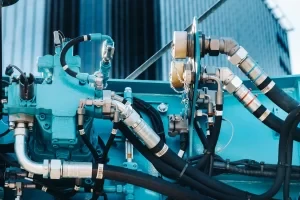
Hydraulic pressure testing is a critical procedure used across multiple industries to ensure the integrity and strength of pressure-containing components. Whether it's in pipelines, vessels, or mechanical systems, this testing technique plays a crucial role in maintaining safety and performance standards. In this article, we’ll explore what is hydraulic pressure testing, how it works, its types, and why it’s essential.
What is Hydraulic Pressure Testing?
Hydraulic pressure testing is a non-destructive testing (NDT) method used to validate the structural soundness and leak-tightness of a system that operates under pressure. It involves filling a component with a liquid, usually water or oil, and applying pressure to assess whether the component can withstand the specified limits without leaking or failing.
Importance of Hydraulic Pressure Testing
Hydraulic pressure testing is vital for:
- Safety: Detects potential failures that could lead to accidents or environmental hazards.
- Compliance: Meets industry and regulatory standards (ASME, ISO, API, etc.).
- Performance: Ensures the system will function correctly under real-world pressure conditions.
- Durability: Verifies that components will last through their expected service life.
Industries That Use Hydraulic Pressure Testing
Hydraulic pressure testing is employed across various sectors:
- Oil & Gas: Testing pipelines, valves, and pressure vessels.
- Construction: Verifying structural components in buildings and bridges.
- Manufacturing: Testing hydraulic cylinders, pumps, and fittings.
- Aerospace: Verifying pressure systems in aircraft.
- Automotive: Testing brake systems, fuel lines, and cooling components.
How Hydraulic Pressure Testing Works
Step-by-Step Process:
- Preparation:
- Clean the component.
- Seal all outlets except one.
- Fill the system with a test fluid (usually water or oil).
- Pressurization:
- Apply pressure using a hydraulic pump.
- The pressure is gradually increased to a predetermined test level.
- Holding:
- Maintain the pressure for a specific time to observe the system.
- Monitor for pressure drops or visible leaks.
- Inspection:
- Check all joints, welds, and fittings.
- Use visual checks or sensors for leak detection.
- Documentation:
- Record results and certify the component as passed or failed.
Types of Hydraulic Pressure Tests
- Hydrostatic Testing:
- The most common method.
- Uses water as the testing fluid.
- Applied at 1.5x the working pressure of the system.
- Proof Testing:
- Confirms the strength without permanent deformation.
- Often done at or above design pressure limits.
- Leak Testing:
- Focuses on detecting small leaks.
- Often combined with dye penetrants or sensors.
- Burst Testing:
- Pushes the component to its breaking point to determine maximum strength.
Equipment Used in Hydraulic Testing
- Hydraulic Pumps: To build and control the pressure.
- Pressure Gauges: Monitor applied pressure accurately.
- Hoses and Fittings: Connect the system to the test setup.
- Sealing Devices: Ensure leak-tight connections.
- Data Loggers: Record the test results for compliance documentation.
Safety Guidelines
Working with high-pressure systems can be dangerous. Safety precautions include:
- Wearing personal protective equipment (PPE).
- Ensuring all fittings and hoses are rated for test pressure.
- Keeping a safe distance during pressurization.
- Never exceeding recommended pressure levels.
- Conducting tests in controlled environments.
Benefits of Hydraulic Pressure Testing
- Early Detection: Catches defects before they become costly failures.
- Cost-Effective: Reduces the risk of accidents and repairs.
- Reliable: Provides confidence in product and system performance.
- Environmentally Friendly: Water-based testing has minimal environmental impact.
Limitations
Despite its advantages, hydraulic pressure testing has a few limitations:
- Time-Consuming: Requires setup and careful monitoring.
- Component Stress: Overpressure can damage the component.
- Not Suitable for All Materials: Fragile or porous materials may not withstand the test.
Compliance and Standards
Hydraulic pressure testing is governed by international standards, including:
- ASME Boiler and Pressure Vessel Code (BPVC)
- API (American Petroleum Institute) Standards
- ISO 1167 for thermoplastics
- ASTM Standards
Following these ensures uniformity and global acceptance of test results.
Conclusion
Hydraulic pressure testing is an indispensable part of quality assurance in systems that operate under pressure. It ensures safety, reliability, and compliance across a wide range of industries. Understanding the process, tools, and best practices allows businesses to maintain operational efficiency and avoid costly failures.
If you are working with pressure systems—whether pipelines, pumps, or mechanical equipment—hydraulic pressure testing is not just a regulatory requirement; it’s a best practice for long-term success and safety.